

Last updated October 15, 2026
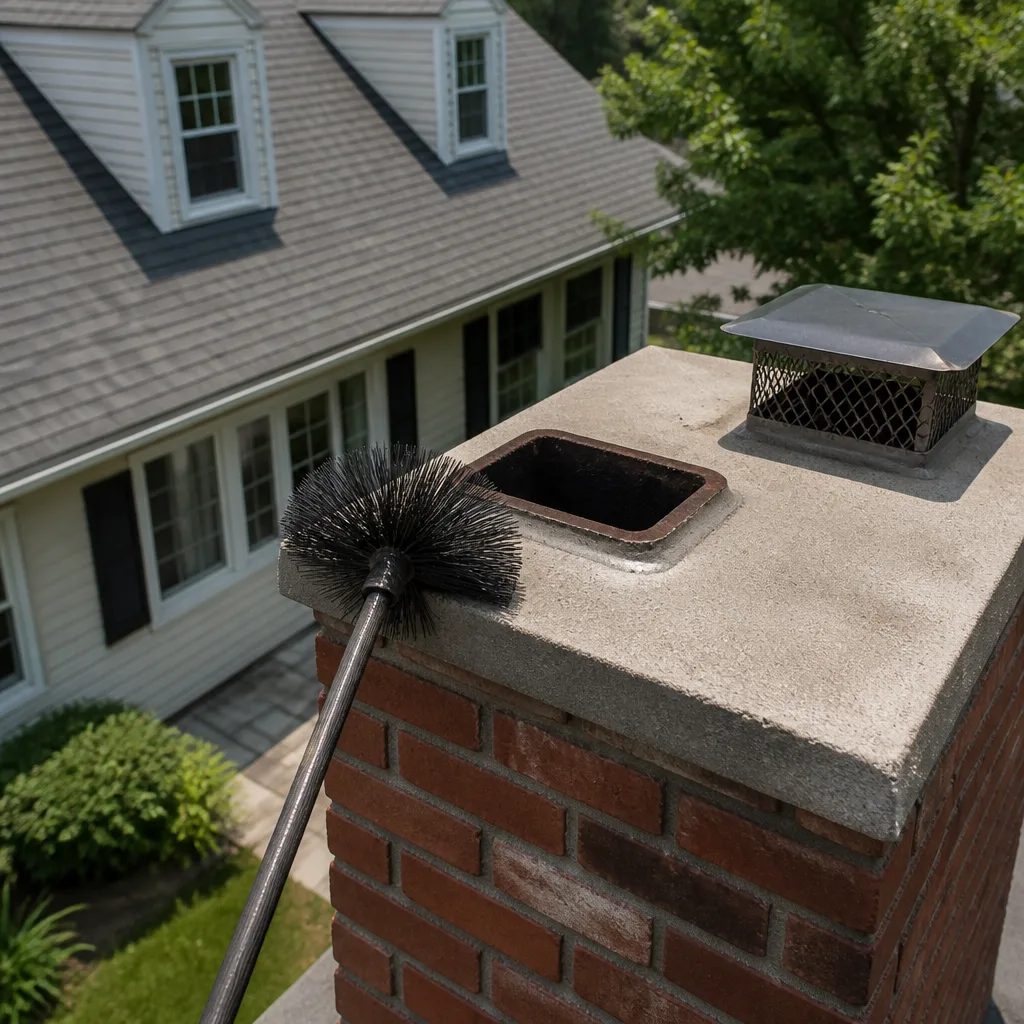 Sweep & inspection
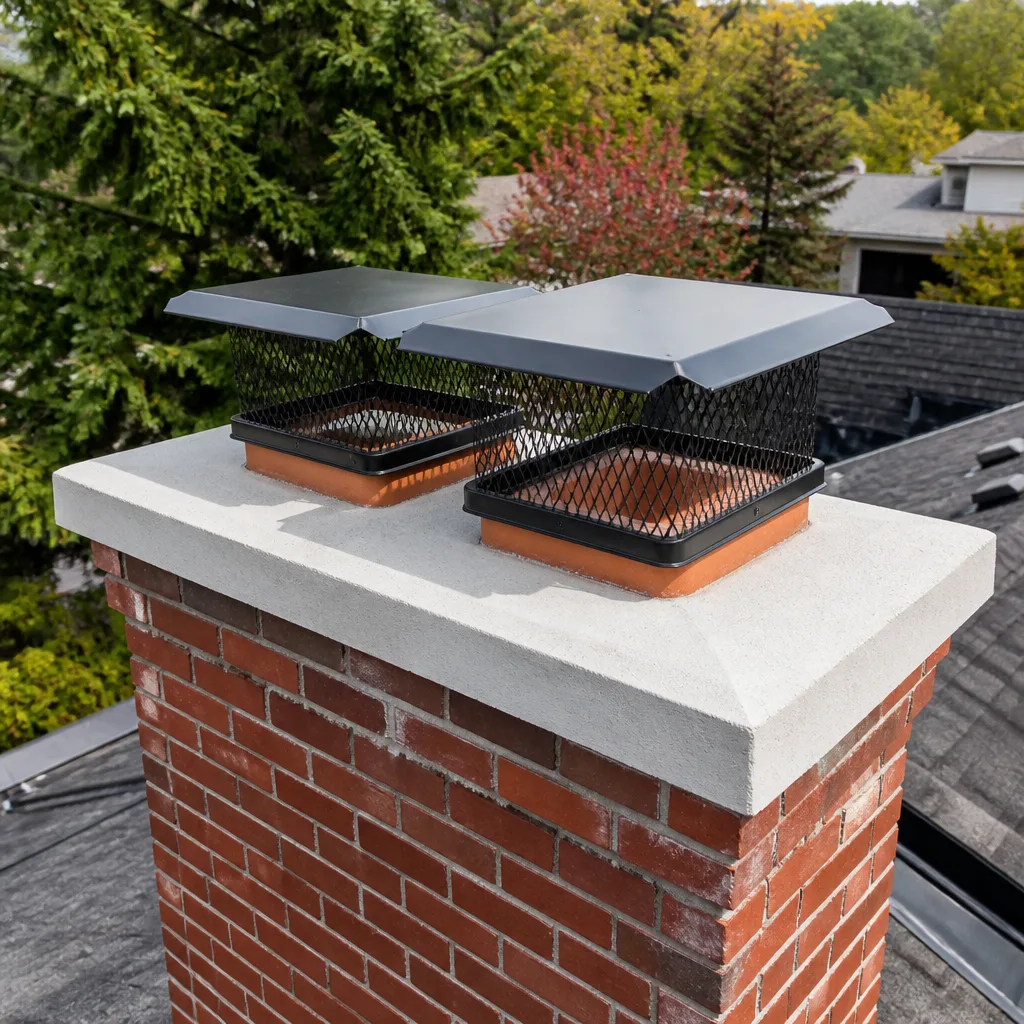 Caps & crowns
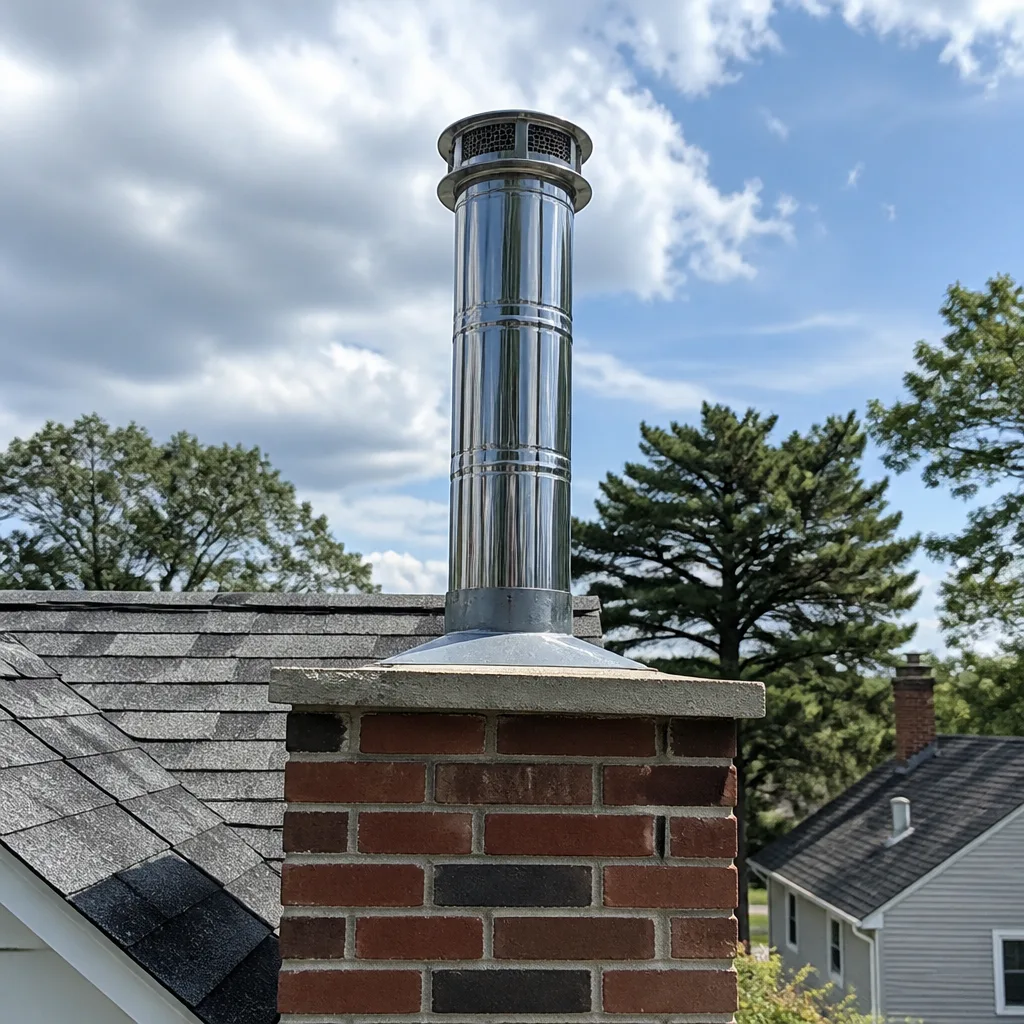 Flue relining
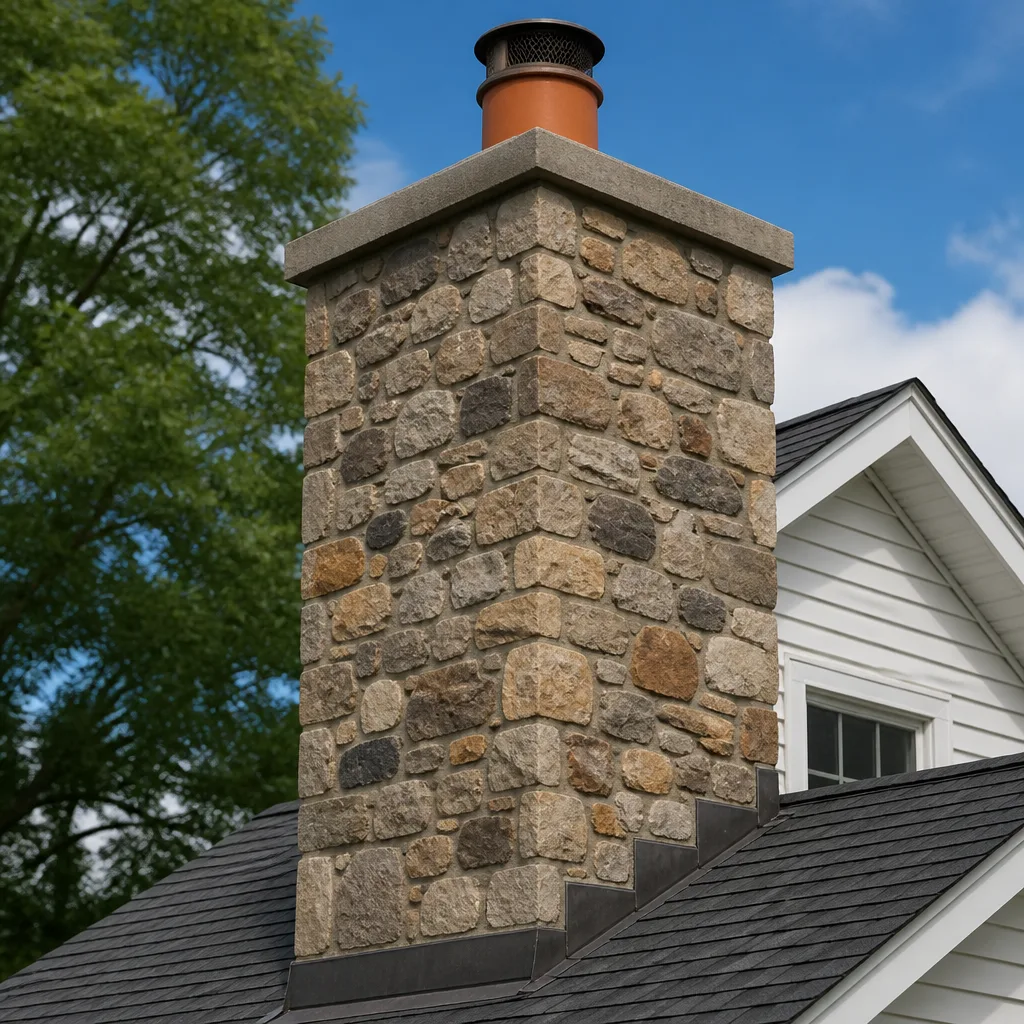 Masonry repair
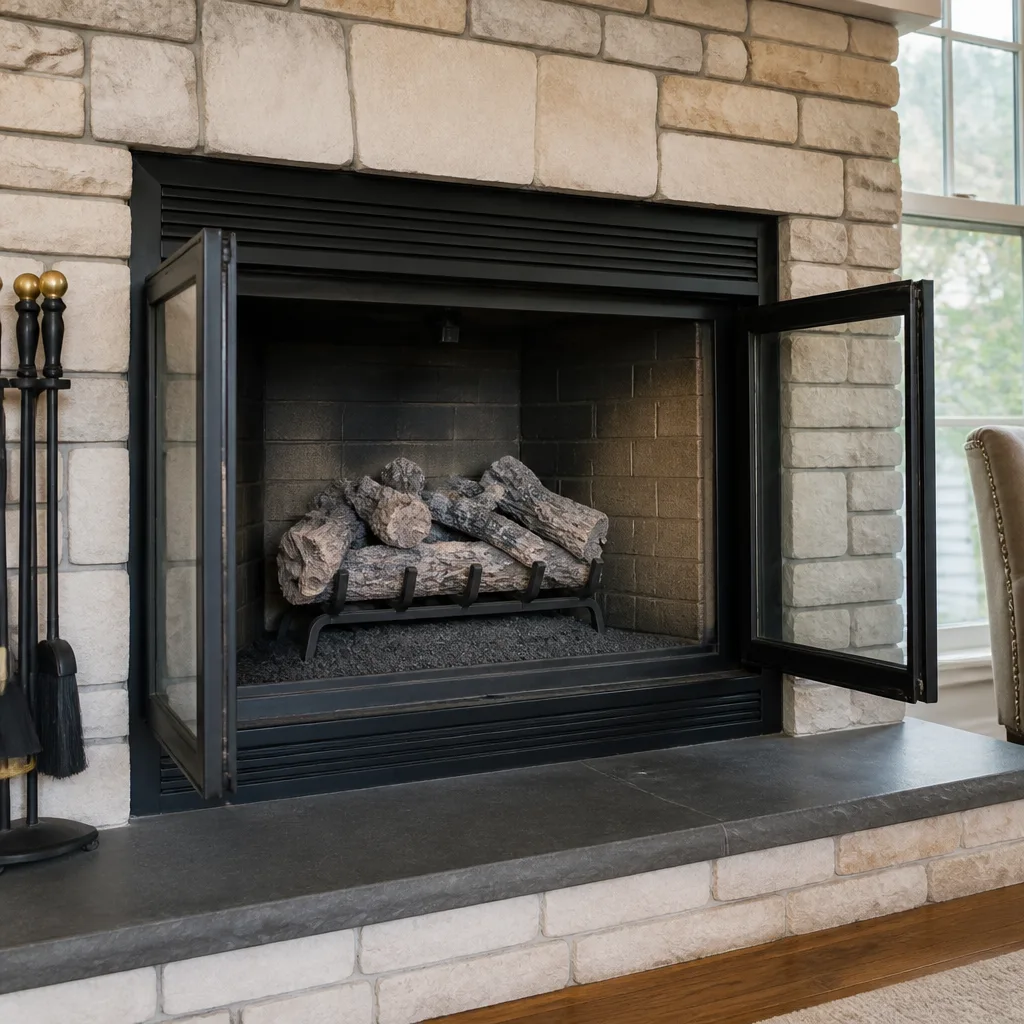 Gas fireplace service
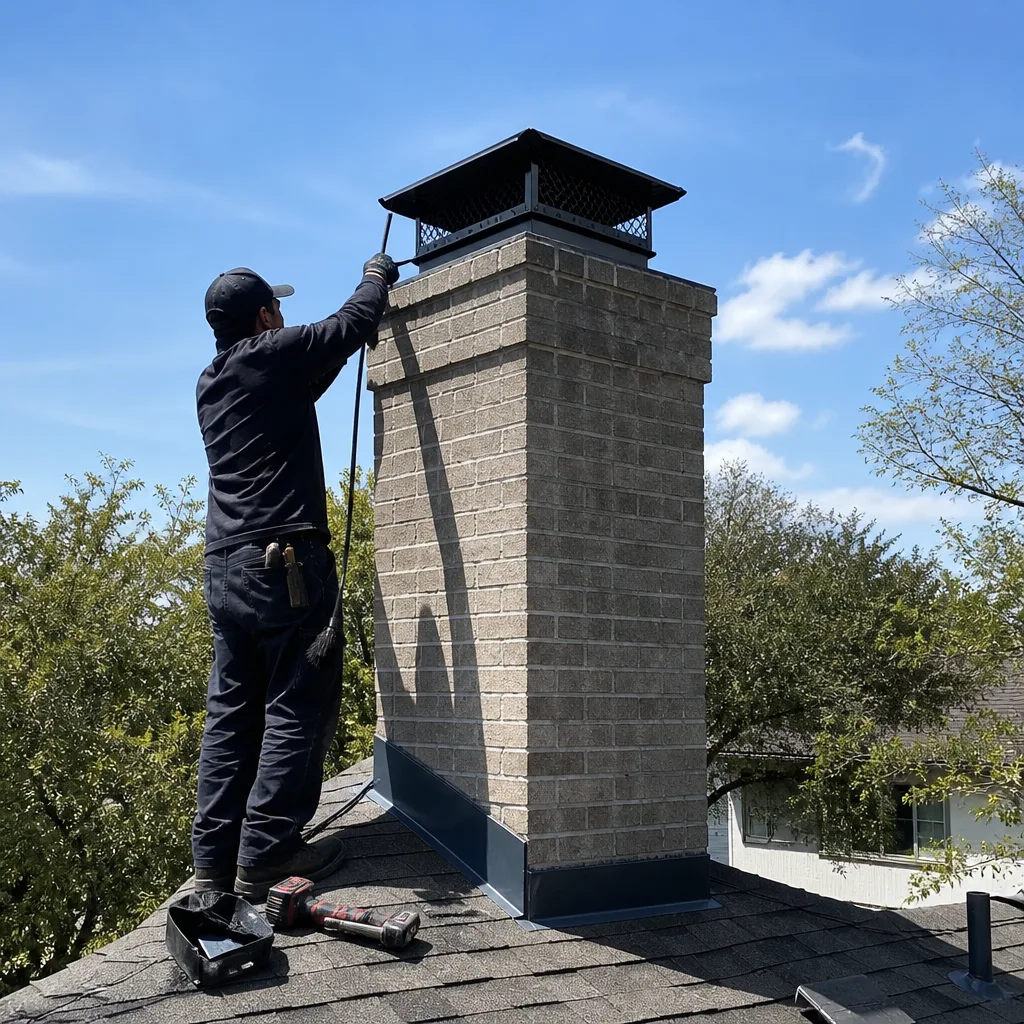
Level 1 sweep and inspection to the NFPA 211 annual standard - flue, crown, cap, and flashing checked and photographed
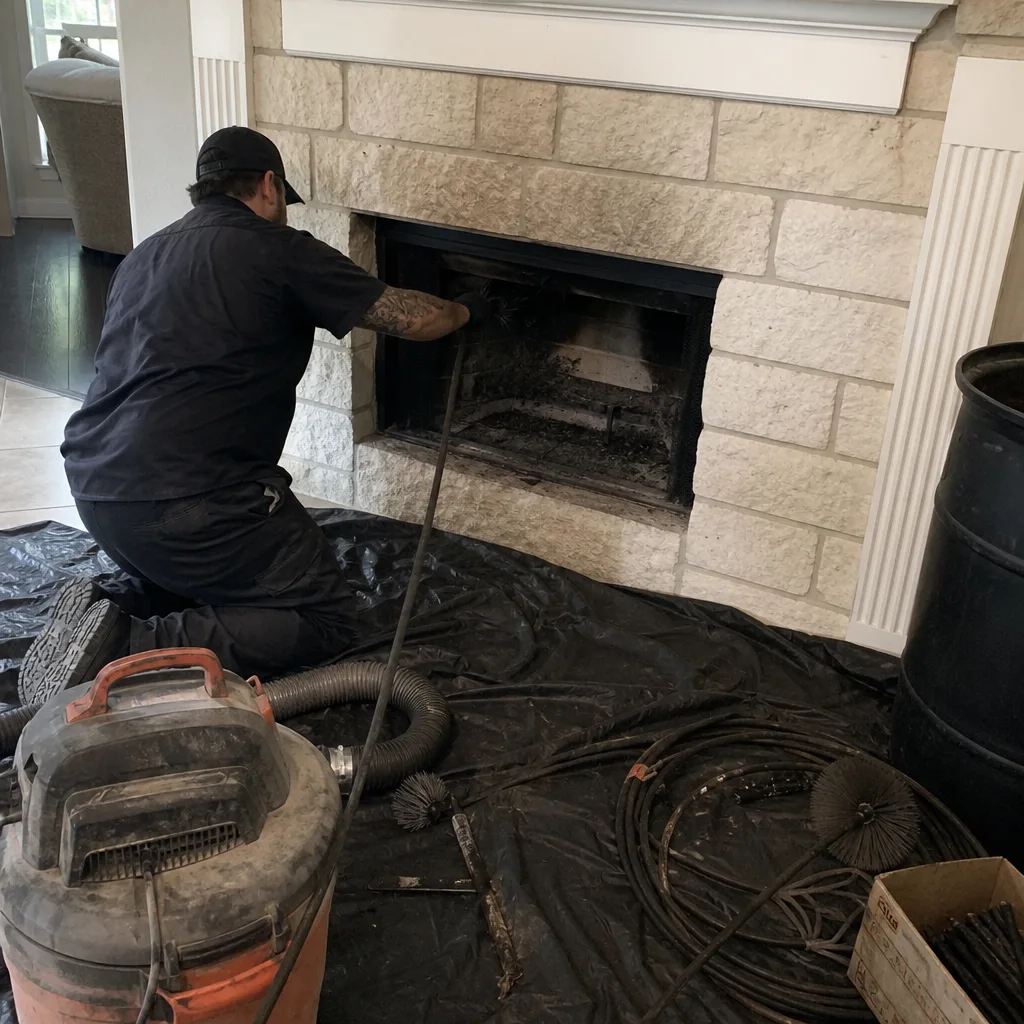
Chimney sweep logs do not sweep chimneys. They loosen some creosote - which then falls where a brush and vacuum still have to collect it.
How to Hire a Chimney Cleaning Contractor in Fort Worth: A Step-by-Step Guide
Texas does not require a state license to clean chimneys. Anyone with a ladder, a brush, and a magnetic sign on a pickup can call themselves a chimney sweep in Fort Worth, knock on your door, and start quoting prices. That single fact explains why two different companies can look at the same fireplace and hand you estimates that are $800 apart. This guide walks you through exactly how to separate the real professionals from the trucks with brushes, including the five questions that end bad conversations immediately, how to verify certifications in about two minutes, and what a legitimate written estimate in Fort Worth actually looks like. For more guides & resources, visit our blog.
Styles & brands we work with
Quick Answer
To hire a chimney cleaning contractor in Fort Worth, start by confirming CSIA certification on the CSIA website, then require a written estimate that includes line-item scope, total price, warranty terms, and liability coverage before any work begins. A standard chimney sweep in Fort Worth typically runs $189 to $349, and any contractor who refuses to put their price in writing before starting should end the conversation right there. See our Chimney Cleaning Cost Breakdown: The Fort Worth Homeowner’s Reference for 2026 for deeper pricing analysis.
Table of Contents
- Why the Lack of State Licensing Changes How You Hire in Fort Worth
- The Five Questions to Ask Before Scheduling (and the Answers That End the Call)
- How to Verify CSIA Certification in Under Two Minutes
- What a Legitimate Written Estimate Must Include
- Red Flags Specific to the Fort Worth Market
- How to Compare Two Quotes That Use Different Terminology
- What Chimney Cleaning Costs in Fort Worth in 2025
- Common Mistakes to Avoid
- When to Call a Professional
- Frequently Asked Questions
- The Bottom Line
Why the Lack of State Licensing Changes How You Hire in Fort Worth
Most trades in Texas carry some form of state oversight. Electricians answer to TDLR. Plumbers hold state-issued licenses. HVAC contractors register with the state. Chimney sweeps do not. There is no Texas state license for chimney sweeping, no mandatory state certification, and no state board investigating complaints against chimney contractors. Learn more in our guide to Chimney Cleaning Permits, Codes & Inspections in TX: What You Need to Know. The Texas Department of Licensing and Regulation does not regulate this trade at all.
What that means for a homeowner in Fort Worth is simple: the vetting is on you. In most trades, the license establishes a floor, a baseline of competence you can assume before making the call. With chimney work, there is no floor. A contractor who has never touched a chimney liner can be at your door tomorrow morning with a business card and a price sheet.
This is not a hypothetical. We have walked into homes across Fort Worth, from Tanglewood to Wedgwood to the Hillside neighborhood, and found previous “sweeps” that did nothing more than run a brush partway up the flue and call it done. We have seen chimney caps installed backwards, liners sized incorrectly, and creosote left behind thick enough to peel off in sheets. None of those crews needed a license to do any of it.
The professional standard in this trade comes from the Chimney Safety Institute of America, known as CSIA. CSIA is a national nonprofit that certifies chimney sweeps through written examination, field testing, and continuing education. It is not a state requirement. It is a voluntary credential. That is exactly why it matters as a screening tool: a contractor who bothered to get CSIA-certified has demonstrated that they take the trade seriously enough to be tested on it. The ones who have not may still do fine work. But you have no independent way to verify that, and no reason to assume it.
There is a second layer specific to this region. Fort Worth sits on heavy clay soil that shifts with drought and rain cycles. That movement stresses chimney masonry and can open hairline cracks in flue liners that a basic sweep will never catch. A trained inspector looking at a fireplace in Arlington Heights or Ridglea knows what freeze-thaw cycles do to brick in this climate. A guy with a brush and no formal training may not even know to look. When the credential is optional, the gap between trained and untrained grows wide, and fast.
The Five Questions to Ask Before Scheduling (and the Answers That End the Call)
Every chimney company in Fort Worth can answer a phone. The question is what they say after hello. Before you book anything, put these five questions to whoever picks up. How they answer tells you more than any website will.
- “Are you CSIA-certified, and what is the technician’s certification number?” A certified sweep can give you a number on the spot or within minutes. A non-certified contractor might say certification doesn’t matter, might offer a different credential you’ve never heard of, or might change the subject to price. Hang up if they dismiss it. A CSIA number is not a guarantee of good work, but the refusal to engage with the question is a reliable negative signal.
- “Will you put the full price in writing before you start any work?” The only acceptable answer is yes, without conditions. If they say they can give a ballpark but need to see the job first, that’s reasonable only if the written price comes after the inspection but before the work. If they say they’ll figure it out as they go, or that the price depends on what they find, end the call. That is how a $199 sweep becomes a $1,400 liner “emergency.”
- “What exactly does your sweep include?” Listen for specifics. A real sweep covers the firebox, the damper, the smoke chamber, the full flue, and the chimney cap area, plus a visual inspection of accessible parts. A vague answer, like “we clean your chimney” or “we brush it out,” is a red flag. If they cannot or will not describe the scope, they likely do not have a defined one.
- “Do you carry liability insurance and workers’ compensation?” If the answer is no to either, do not let them on your roof. An injury on your property without workers’ compensation coverage is a claim against your homeowner’s insurance. A chimney contractor who damages your roof or chimney without liability insurance leaves you holding the repair bill. Ask for the carrier name and verify it if you have any doubt. Legitimate Fort Worth contractors expect this question.
- “What is your warranty, and will you put it in writing?” If the warranty is verbal, it does not exist. A contractor who stands behind their work puts it on paper, states what is covered, and says for how long. In our case, it’s called the 365-Day Done Right Promise, and it means every repair carries a written guarantee valid for one full year, with a free return visit if a covered repair fails within that period. You don’t need our warranty. But you need a warranty in writing from whoever you hire.
If any of these five questions gets you a defensive answer, a vague answer, or no answer, you have learned what you need to know. Move on. Fort Worth has plenty of options.
How to Verify CSIA Certification in Under Two Minutes
Verifying a CSIA credential is faster than ordering a cup of coffee, and you should do it before you let anyone on your roof. Here is the exact process:
- Go to the CSIA website at csia.org.
- Click on “Find a Certified Sweep” in the main navigation.
- Enter your ZIP code, or search by the company name or the technician’s name.
- Look for the certification number listed next to the technician’s name. Certification numbers are issued to individuals, not to companies.
- If the company you are considering does not appear, they are not certified, regardless of what their website or truck wraps say.
Two things worth knowing. First, CSIA keeps a current database, so a certification that lapsed or was revoked will not show up. A contractor who was certified five years ago but let it lapse cannot honestly claim current certification. Second, the technician who shows up at your door should be the certified one, not just the owner of the company. Asking for the specific technician’s certification number before the appointment eliminates the switch, where the owner is certified but sends an uncertified crew to do the work. A local company we refer to, Chimney Sweep in Fort Worth, runs background-checked, uniformed technicians on every call, and verifying credentials is a reasonable expectation for any homeowner.
If a contractor claims certification but you cannot find them in the CSIA database, do not call them to ask why. Just cross them off the list. If they misrepresented the credential before even looking at your chimney, there is no reason to trust anything they say after.
What a Legitimate Written Estimate Must Include
A written estimate is not a number scrawled on a business card or a figure quoted in a text message. It is a document that tells a contractor exactly what they are about to do and tells you exactly what you are about to pay. If you receive anything less structured than this from a Fort Worth chimney company, you have not received an estimate. You have received a guess.
A legitimate written estimate includes four components, every time:
- Line-item scope of work. The estimate should list each task separately: firebox cleaning, flue sweep, damper check, chimney cap inspection, and anything else. If the scope is a single line reading “chimney cleaning,” that’s not a scope, that’s an invitation for confusion later.
- Total price, with labor and materials separated. The number you approve should be the number on the final invoice. Every job we do under The Garrison Standard includes a written price delivered before any work starts, always, on every job, no exceptions. If a contractor won’t commit to a total, they are leaving the door open to change it.
- Warranty terms in plain language. What is covered, for how long, and what happens if the work fails. Our 365-Day Done Right Promise specifies a full year of coverage on every repair and a free return visit if a covered repair fails within the guarantee period. If the warranty language on the estimate you receive is vague, the warranty itself will be vague, which means it will be useless when you need it.
- Liability and workers’ compensation coverage summary. The estimate should state that the contractor carries liability insurance and workers’ compensation. A contractor who cannot state this in writing is likely not carrying it at all. That puts the financial risk on you.
One more note on estimates: the right contractor wants to walk the job before committing. A detailed inspection is not a trick; it is how a professional avoids surprises. The difference is whether the written price comes before any work begins, not whether the contractor wants to see the chimney first. If someone pressures you to sign before looking, that’s a door-to-door pattern, not a professional practice.
Red Flags Specific to the Fort Worth Market
Every market has its own patterns, and Fort Worth has a few worth knowing before you start dialing.
- Seasonal surge pricing after cold snaps. When the temperature drops near freezing and Fort Worth households light their first fires of the year, demand for sweeps spikes. Unscrupulous operators know this and raise rates accordingly. If you get quoted a price that seems 40 or 50 percent above what your neighbor paid in September, get a second opinion. A professional keeps consistent pricing regardless of the month. In our experience, a standard sweep in Fort Worth runs $189 to $349 depending on fireplace type and flue condition, and that range should not double just because the first freeze hit.
- The bait-and-switch inspection upsell. This is the most common pattern we see reported around Fort Worth. A company advertises a sweep for $99 or $129, arrives, performs a quick look, and announces that the flue liner is cracked, the firebox is unsafe, and the chimney needs $3,000 in repairs before it’s safe to burn. Sometimes that’s true. Often it’s not. The tell is speed: a genuine diagnosis of a cracked liner requires a camera inspection with photographic evidence, not a five-minute visual. Any contractor claiming serious damage should be able to show you the camera footage or photos proving it. If they cannot, get a second opinion from a contractor who performs documented inspections, like our Chimney Inspection in Fort Worth team.
- No physical address on the estimate or the website. Fort Worth has seen a wave of out-of-state lead-generation operations that sell chimney jobs and subcontract them to whoever is available. If the company has no Fort Worth address, or the address traces to a UPS store or a P.O. box, you are likely dealing with a broker, not a chimney company. When something goes wrong, a broker has no local reputation to protect and no reason to make it right.
- Cash-only or deposit-heavy payment terms. A legitimate Fort Worth chimney contractor accepts standard payment methods and does not require a large deposit before beginning routine work. If someone demands cash or asks for 50 percent down on a sweep, do not pay. You have no leverage once the cash is in their hand.
- Pressure to decide the same day. Any contractor who tells you the price is only good if you sign today is running a sales tactic, not a chimney business. A real professional prices the job, delivers the written estimate, and gives you time to think. The urgency of a genuine chimney problem is measured in seasons, not hours. If someone manufactured an emergency, that tells you something about how they do business.
How to Compare Two Quotes That Use Different Terminology
One Fort Worth contractor might quote you for a “Level 1 inspection with standard sweep and damper assessment.” Another might quote for a “full cleaning with firebox service and cap check.” Those are likely the same job described in different words, but if you don’t know the translation, you cannot tell whether the higher quote is actually offering more or just sounds fancier. Here is a plain-language translation of the most common scope terms:
- “Standard sweep” / “full cleaning” / “routine sweep” – removing soot and creosote from the firebox, smoke chamber, flue, and damper area. This is the basic cleaning, and the terms are interchangeable.
- “Level 1 inspection” – a visual check of the accessible portions of the chimney interior and exterior, done as part of a service call when nothing has changed since the last inspection. This is typically included with a standard sweep and should not carry a large separate charge.
- “Level 2 inspection” – a more detailed examination, typically including a camera scan of the flue interior, done when property ownership changes, after a chimney fire, or when there has been an event like a lightning strike or an earthquake. This is a separate, more involved service, and it costs more for a reason: you are paying for the camera equipment and the time to review the footage.
- “Flue relining” – replacing the inner liner that channels smoke safely out of the house. This is a repair, not part of a sweep, and it can range from $2,500 to $6,000 depending on the liner type and flue dimensions. A contractor recommending relining should be able to show you the camera evidence of the damage.
- “Smoke chamber parging” – smoothing and sealing the smoke chamber, the angled area above the firebox that funnels smoke into the flue. This is a repair that some sweeps include as a line item when the chamber is rough and catching creosote.
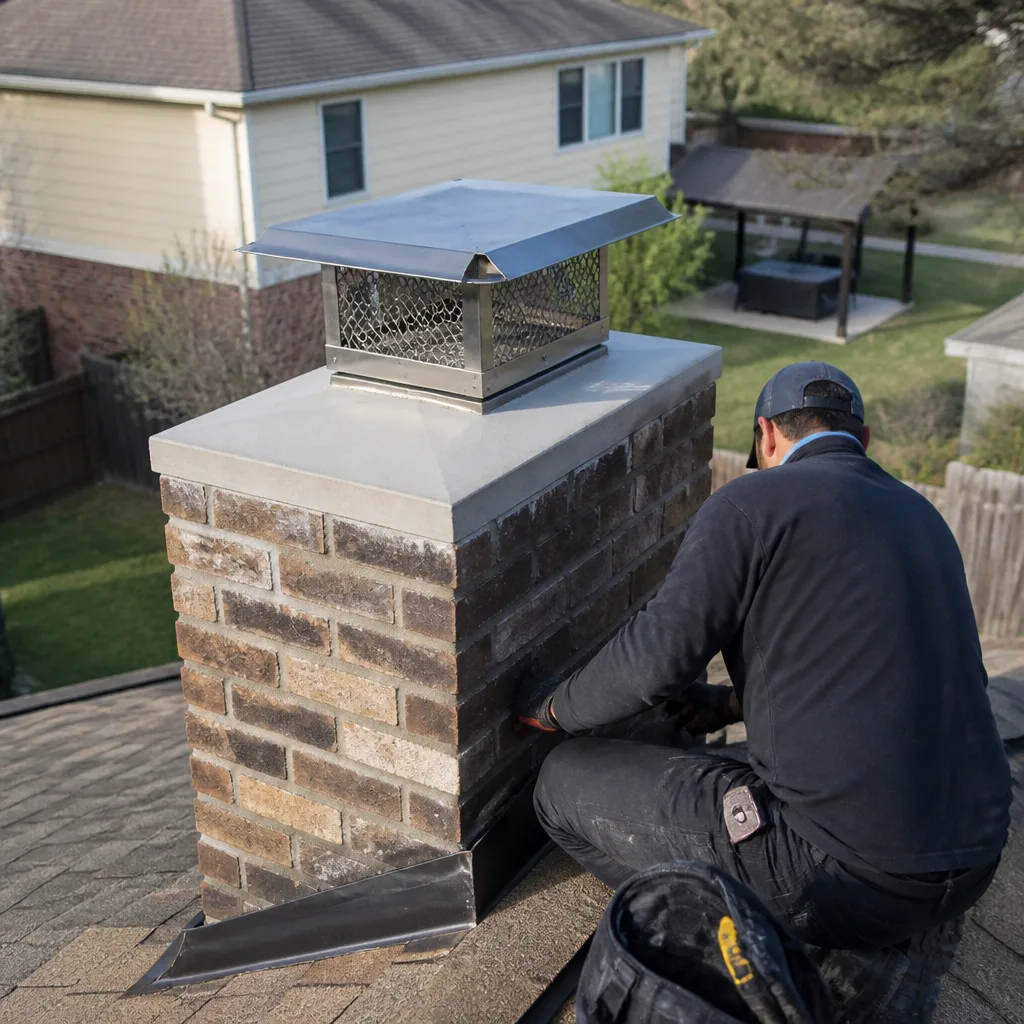
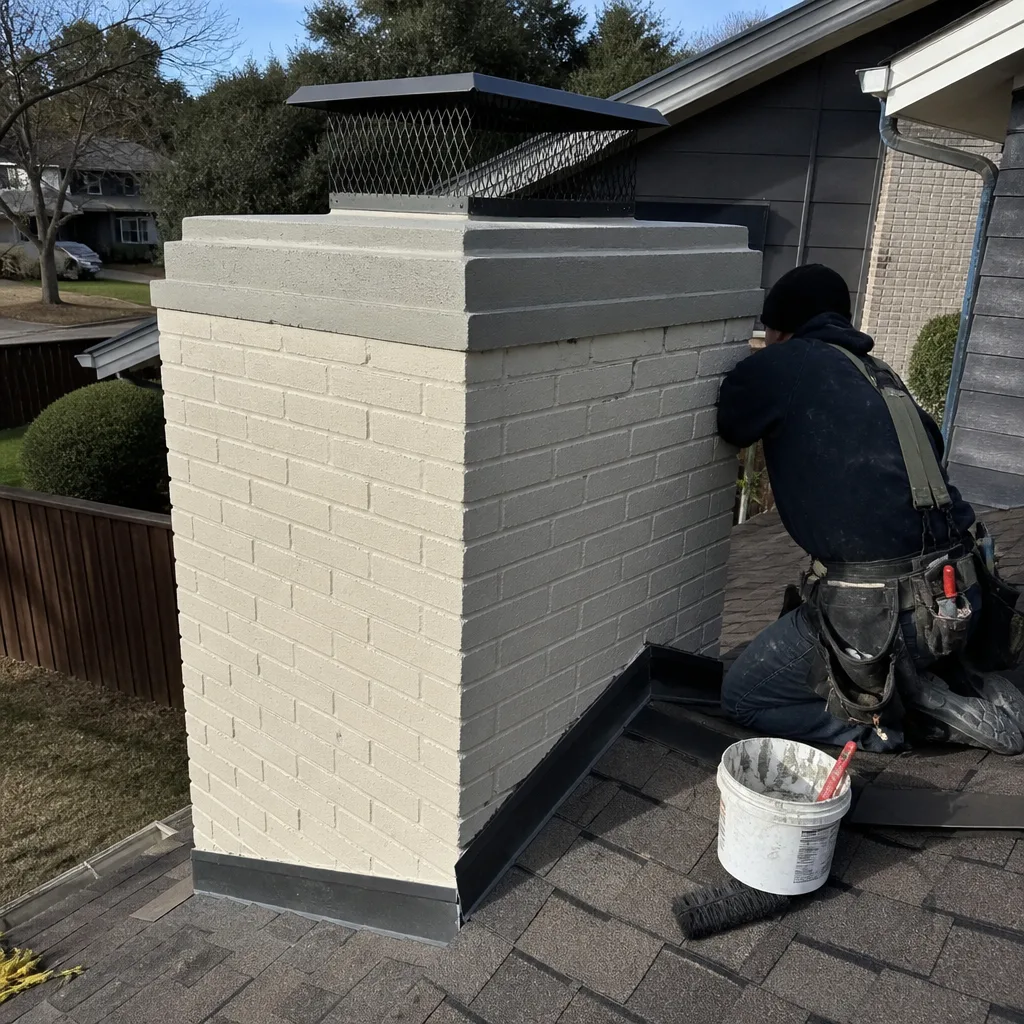
- “Chimney cap and crown service” – inspecting, repairing, or replacing the cap (the metal top that keeps rain and animals out) and the crown (the concrete surface at the top of the chimney). These are separate from the sweep but often recommended during an inspection because a failed cap is the most common source of water damage to a chimney.
When comparing two Fort Worth quotes, translate each line item into plain language first, then ask yourself: are both contractors actually quoting the same physical work? If one includes a Level 2 camera inspection and the other does not, that’s a real difference and worth paying for. If both are doing a sweep, a cap check, and a damper assessment, the price difference should be justifiable by something concrete, not by terminology. A contractor should be able to explain the difference on the phone in under a minute. If they cannot, the complexity is likely deliberate.
What Chimney Cleaning Costs in Fort Worth in 2025
Price is the first question every Fort Worth homeowner asks, and it’s the one most contractors are least transparent about. Here are the actual ranges we see across Tarrant County for standard services. These are ballpark figures, not quotes, but they will tell you immediately whether a contractor’s number is in line or out of line.
- Standard chimney sweep (open fireplace, single flue): $189 to $289. The variance depends on creosote buildup, flue height, and access from the roof.
- Chimney sweep with Level 1 inspection documented: $229 to $349. The inspection should be written down, not just mentioned verbally.
- Level 2 camera inspection: $199 to $399 as a standalone service. Some companies include a basic camera check with a sweep when the chimney has not been serviced in years; ask if that’s the case.
- Chimney cap replacement (standard galvanized cap): $249 to $449 installed. Stainless caps run higher.
- Crown repair or re-seal: $399 to $899 depending on the condition and whether it needs a full rebuild or a sealant application.
- Flue relining: $2,500 to $6,000. This is the single biggest repair most Fort Worth homeowners will face, and a recommendation for it should always come with camera proof.
Three observations shape these numbers. First, Fort Worth’s housing stock spans a hundred years, from early-1900s bungalows in Fairmount to mid-century ranches in Wedgwood to new builds in the Alliance area. Older homes often have clay tile liners, which crack over time; newer homes often have factory-built chimneys, which are cheaper to service but more expensive to replace when the metal rusts. The age of your home matters more than the square footage.
Second, the North Texas climate works against chimneys year-round. The summer heat bakes brick and mortar, the spring storms drive water into any opening, and the winter freeze cycles push moisture through hairline cracks until they widen. A chimney in Fort Worth takes more weather abuse than the same chimney in a milder climate, which means inspections matter more here and deferred maintenance gets more expensive faster.
Third, a contractor who charges at the bottom of the range is not necessarily doing you a favor. If the sweep is $99 and the same company has 14 trucks and a big showroom, that low number is a lead generator for repair sales. If the sweep is $399 and the company cannot explain what’s included beyond a brush, that’s not quality, that’s overhead. The right price is in the middle, with a written scope that tells you exactly what you’re paying for. For exact numbers on your specific fireplace, call us at (682) 255-2144 for a free estimate in Fort Worth, no obligation and no pressure. You can also compare against our Chimney Repair in Fort Worth pricing.
Common Mistakes to Avoid
- Hiring the first company that answers the phone without asking any qualifying questions. Fort Worth has no state license requirement for sweeps, which means the default assumption should be skepticism until a contractor proves otherwise. Two minutes of questions saves you from weeks of regret.
- Accepting a verbal estimate and expecting it to be honored. If the price is not in writing, it is not a price. Fort Worth contractors who will write the number down before starting are the ones who will stand behind it.
- Skipping the annual inspection because the fireplace “looks fine.” Most chimney damage is invisible from the living room. A flue liner cracked behind the brick can be one fire away from a house fire, and you will not see it until someone puts a camera up there.
- Comparing two quotes based on price alone without translating the scope. A $169 quote and a $269 quote might be for the same job described differently, or the cheaper one might be leaving out the cap check and the damper assessment. Translate first, compare second.
- Paying a deposit for a routine sweep before the work begins. There is no material cost for a standard cleaning, and a legitimate Fort Worth contractor does not need your money up front. A deposit for routine work is a red flag.
- Ignoring water damage in the firebox and assuming it’s harmless. Water marks in the firebox mean water is getting in from the top, and that water is doing damage you cannot see. In Fort Worth’s freeze-thaw climate, a small leak becomes a structural problem faster than most homeowners realize.
- Going with the cheapest quote because it’s a rental or a house you’re about to sell. A chimney fire does not care about your timeline. An uncertified, uninsured contractor does a bad job whether you’re living there or not, and you’re the one liable when something fails.
When to Call a Professional
Some homeowners in Fort Worth ask whether chimney cleaning is a DIY job. The honest answer: you can remove surface soot from a firebox with a shop vac and a brush. You cannot remove creosote from a full flue safely without the right equipment, and you cannot see the parts of the chimney that matter for safety without a camera and trained eyes. The danger is not the brush; it’s the blind spot. A homeowner who cleans the firebox and skips the flue has not done a sweep. They’ve done cosmetic work and made the creosote deposit someone else’s problem later.
Then there are the clear-bright signals that you should stop burning and call a professional today: smoke backing up into the room, a strong odor even when the fireplace is not in use, visible creosote that looks shiny or tar-like, animals in the chimney, water in the firebox after rain, or a chimney fire that has already happened. These are not maintenance items. They are repair conditions. Flint Chimney Co Fort Worth offers free estimates in Fort Worth, call (682) 255-2144 and we’ll come look.
Frequently Asked Questions
A chimney that is used regularly during the burning season should be swept once a year, and the Chimney Safety Institute of America recommends a sweep whenever creosote buildup reaches 1/8 inch or more, which for most Fort Worth homeowners works out to an annual service. Homes that burn unseasoned wood or use the fireplace more than three nights a week during winter may need two sweeps a year.
A standard chimney sweep in Fort Worth typically runs between $189 and $349 depending on the fireplace type, flue condition, and whether a Level 1 inspection is included in writing. If you’re quoted less than $150, ask what’s being left out, and if you’re quoted more than $400 for a basic sweep, ask what’s being added.
Maybe, but never on a contractor’s say-so alone. A flue liner needs replacement when it has cracks, gaps, or deterioration that allows heat and gasses to reach combustible materials, and the only way to know that for sure is a camera inspection with photographic proof. If a contractor recommends relining, ask to see the video or still images. No proof, no decision. Call (682) 255-2144 for a second opinion on any relining recommendation in Fort Worth.
Creosote builds up on the flue walls with every fire, and creosote is combustible. Once enough of it accumulates and the flue temperatures hit the right point, it can ignite into a chimney fire that burns at up to 2,000 degrees Fahrenheit, hot enough to crack a clay liner and spread into the house framing. The risk is not gradual. It compounds silently, and the first warning sign is often the fire itself.
Spring and summer are the off-season for chimney work across North Texas, and some contractors offer lower rates or shorter scheduling windows during those months. Read our Seasonal Chimney Cleaning Care for Fort Worth: Year-Round Homeowner’s Guide for seasonal maintenance tips. The tradeoff is that a spring sweep catches winter damage early, which is exactly when you want to catch it. Fall is the busy season, and the most common time for surge pricing to appear, so booking in spring or summer is the smart move.
Ask for the physical address and check it against the company’s website and the estimate they provide. A Fort Worth chimney company will have a real address in or near Tarrant County, a local phone number, and technicians who live in the area. If the address is a P.O. box or the company is registered in another state, you are likely dealing with a lead-generation broker, not a local contractor.
The Bottom Line
Hiring a chimney cleaning contractor in Fort Worth comes down to one discipline: require everything in writing and verify what can be verified. Check the CSIA certification. Confirm the insurance coverage. Get the line-item scope and the total price on paper before the work starts. Translation of trade terms keeps you comparing apples to apples, and staying alert to the market’s specific patterns keeps you out of the surge-pricing and bait-and-switch traps that are most common here. A good chimney company in Fort Worth will not dodge these questions. It will invite them. The Flint Chimney Co Fort Worth home team works under The Garrison Standard, which means a written price before any work begins, background-checked uniformed technicians on every call, and a 365-Day Done Right Promise on every repair. If you’re ready to schedule, call (682) 255-2144 for a free estimate, and we’ll help you get it right the first time.
Written by Hank Delano, Owner at Flint Chimney Co Fort Worth, serving Fort Worth since 2002.
See the difference
 Before
 After
After Before
 After
After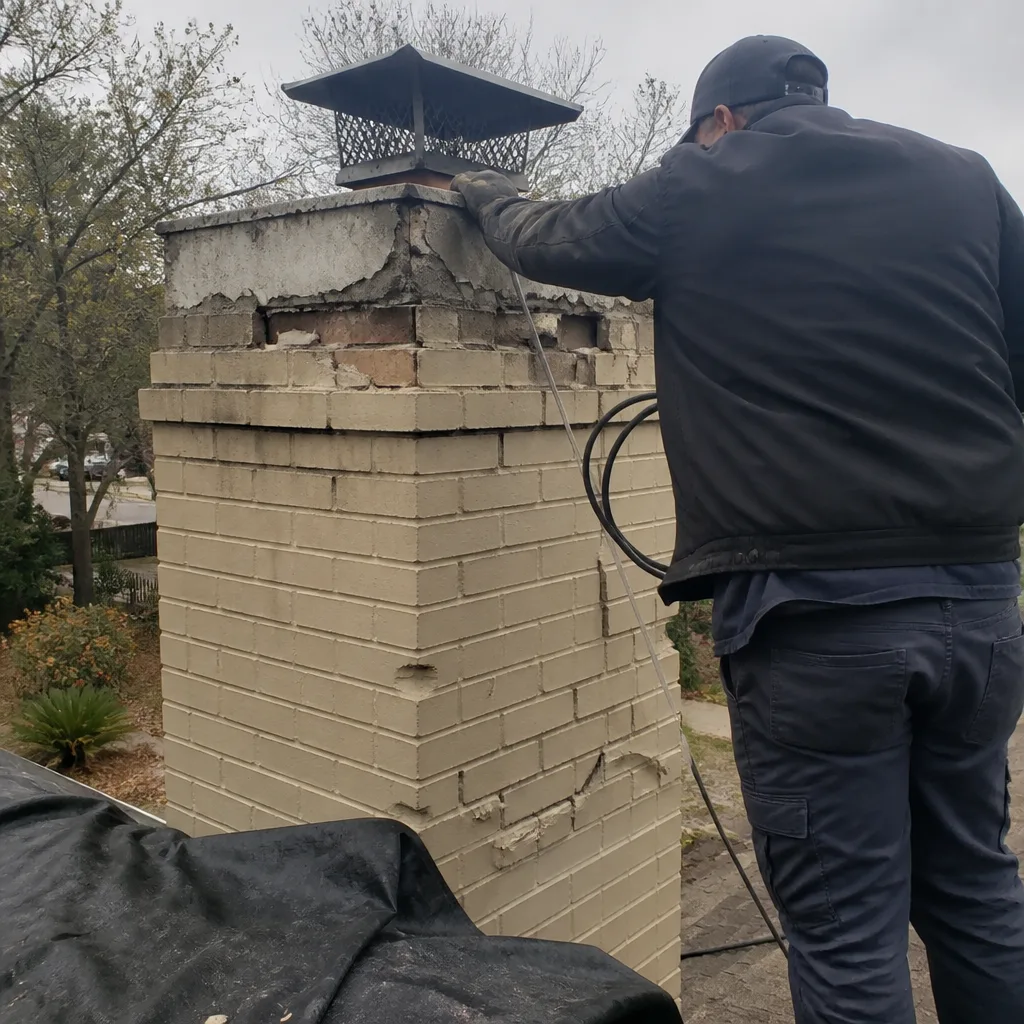 Before
 After
After