
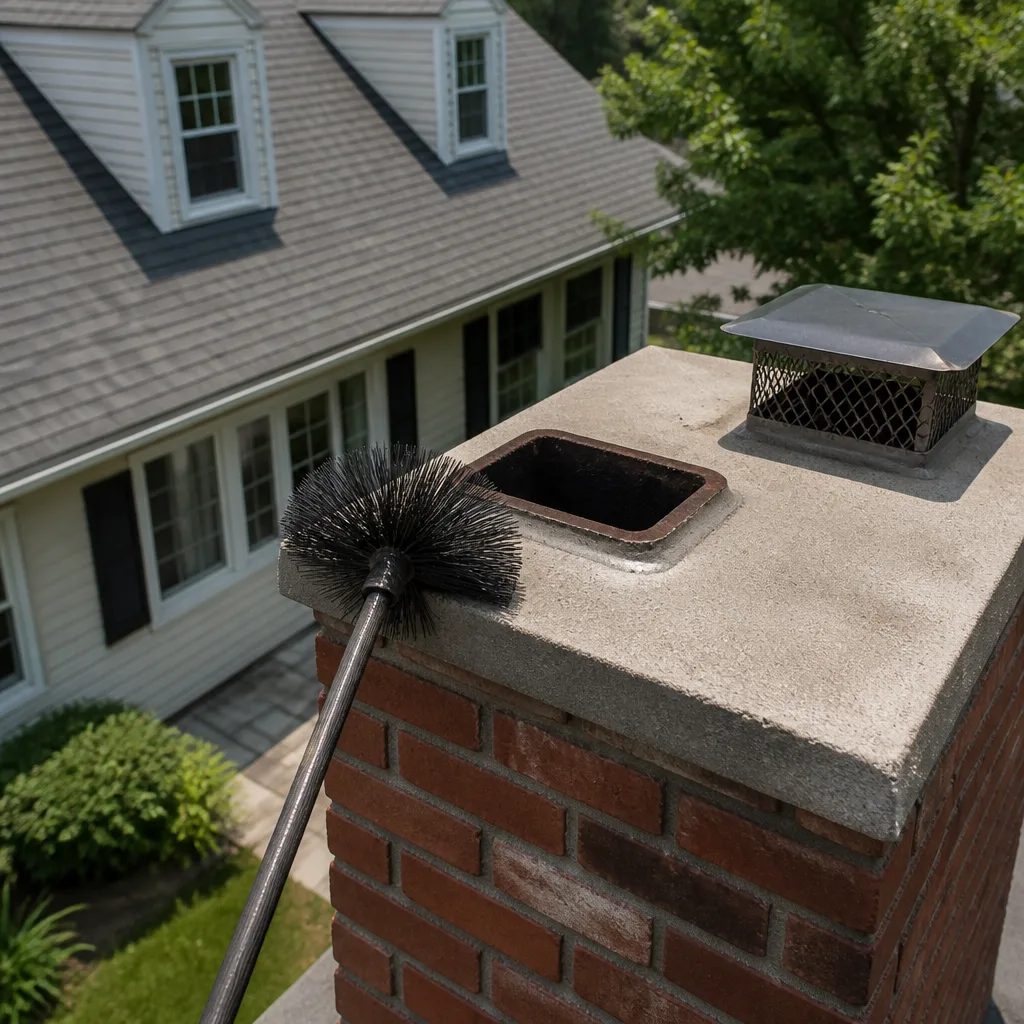
 Sweep & inspection
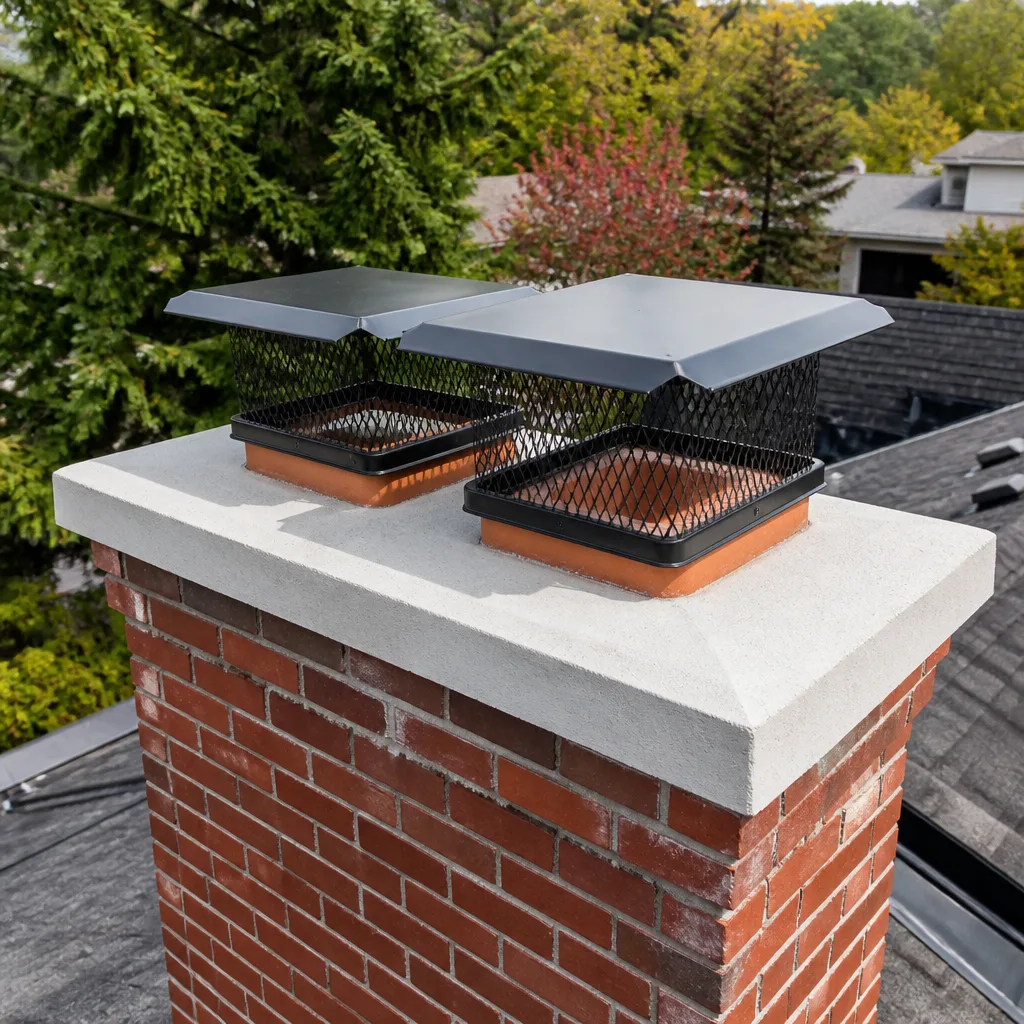 Caps & crowns
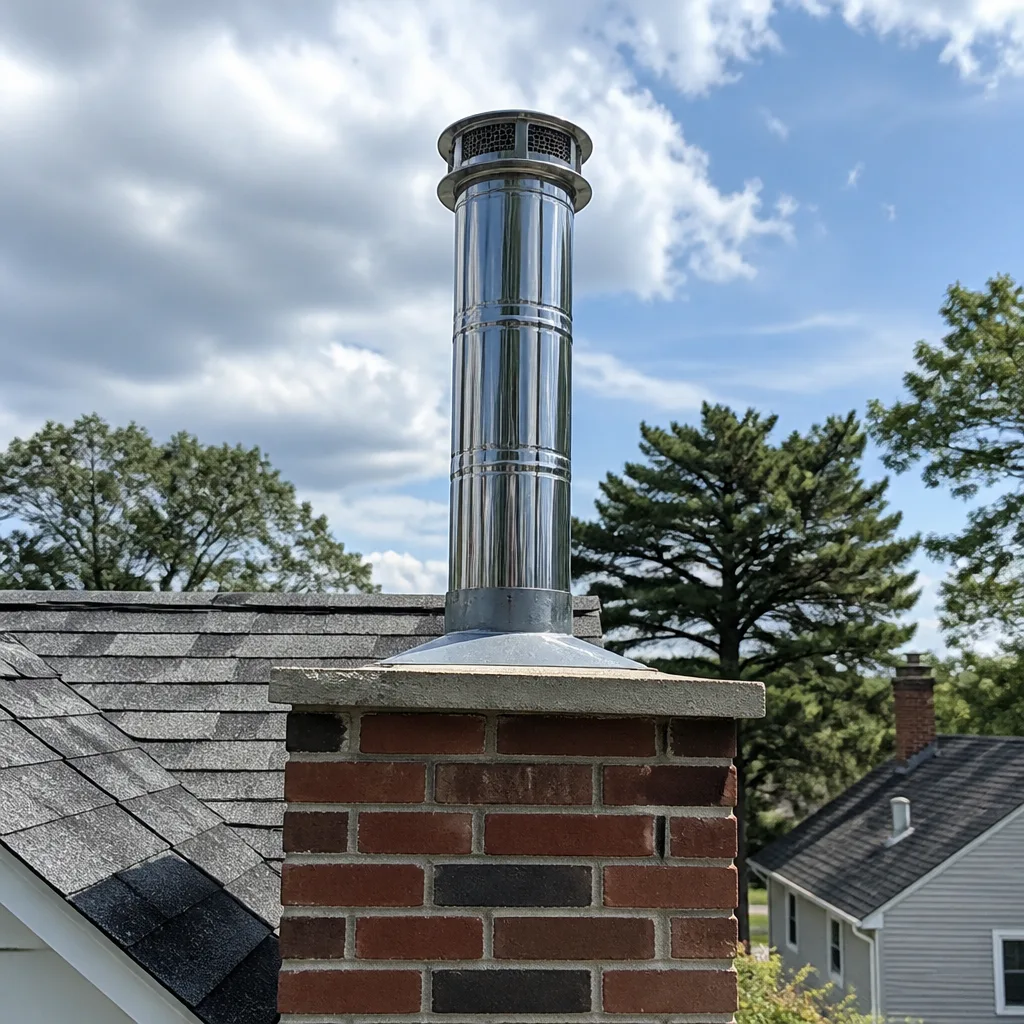 Flue relining
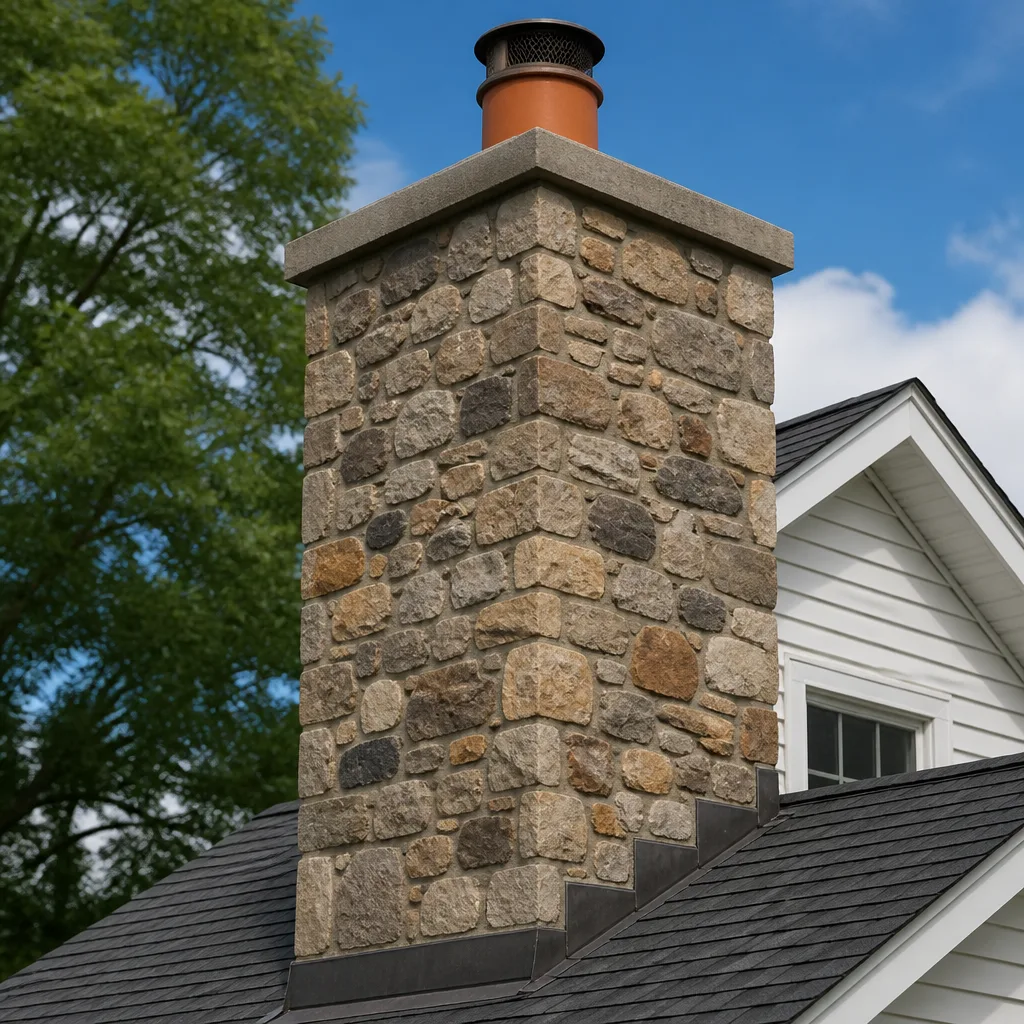 Masonry repair
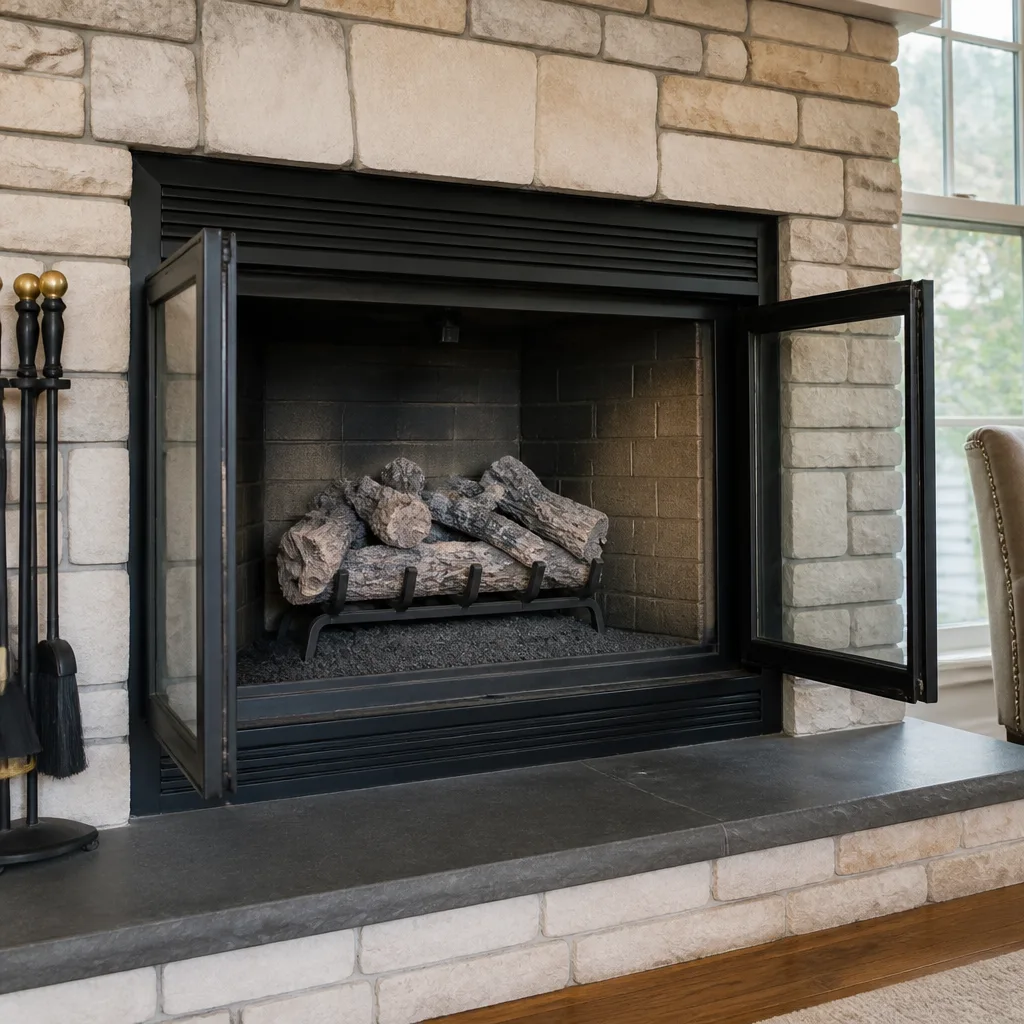 Gas fireplace service
Level 1 sweep and inspection to the NFPA 211 annual standard - flue, crown, cap, and flashing checked and photographed
Chimney sweep logs do not sweep chimneys. They loosen some creosote - which then falls where a brush and vacuum still have to collect it.
Styles & brands we work with
See the difference
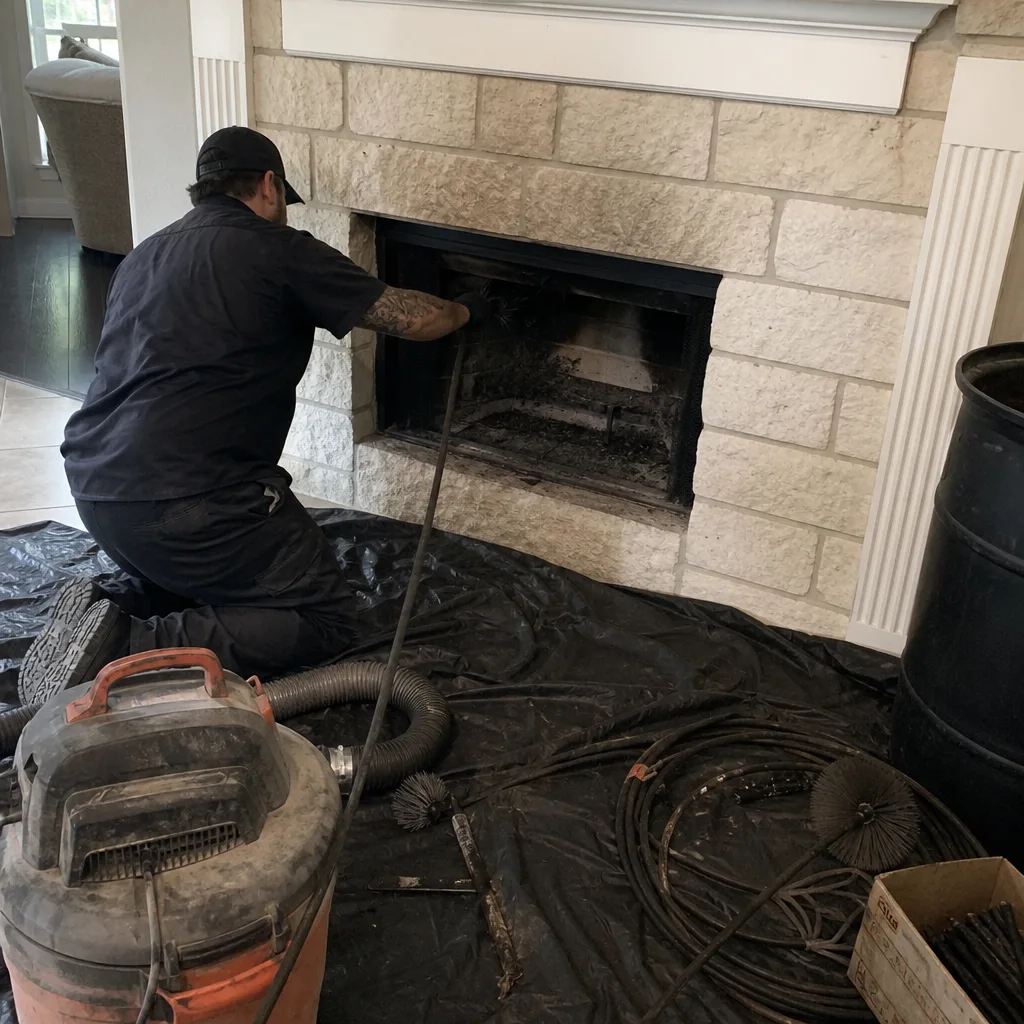 Before
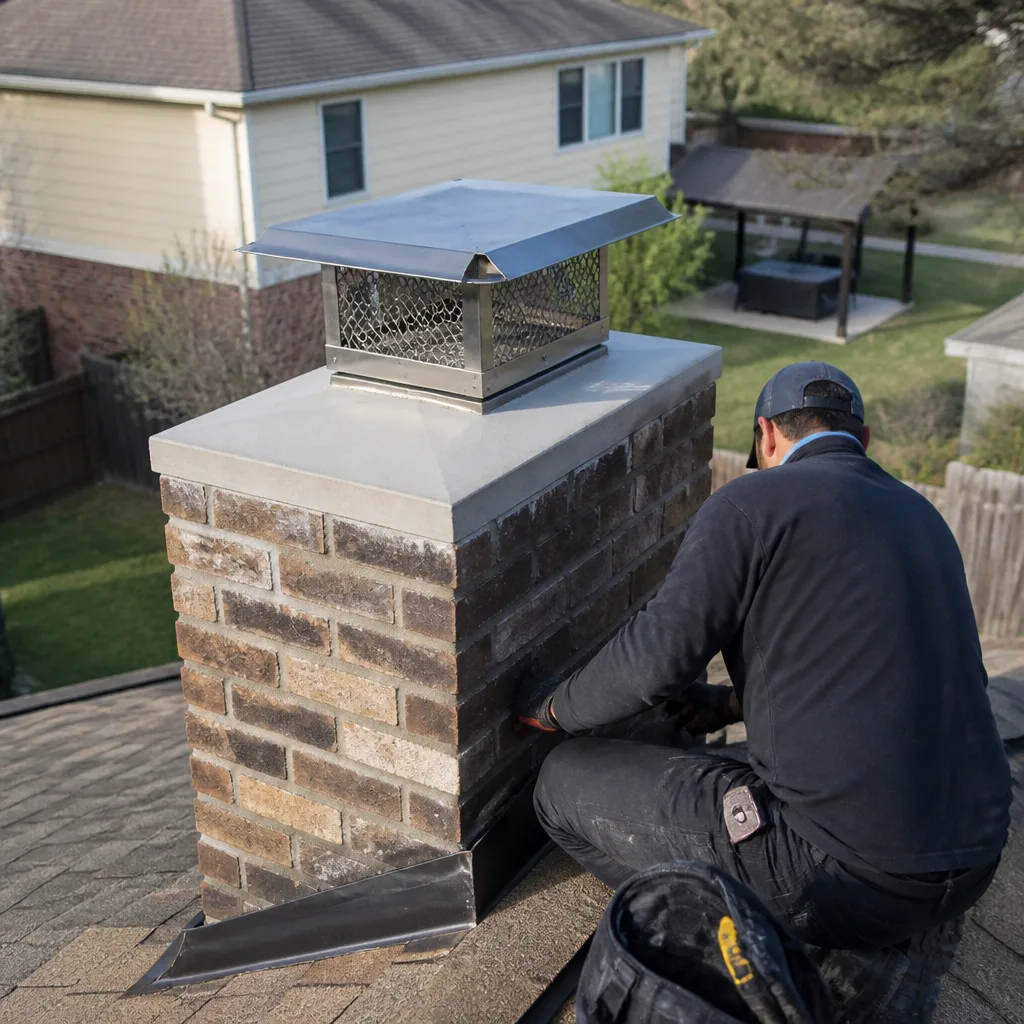 After
After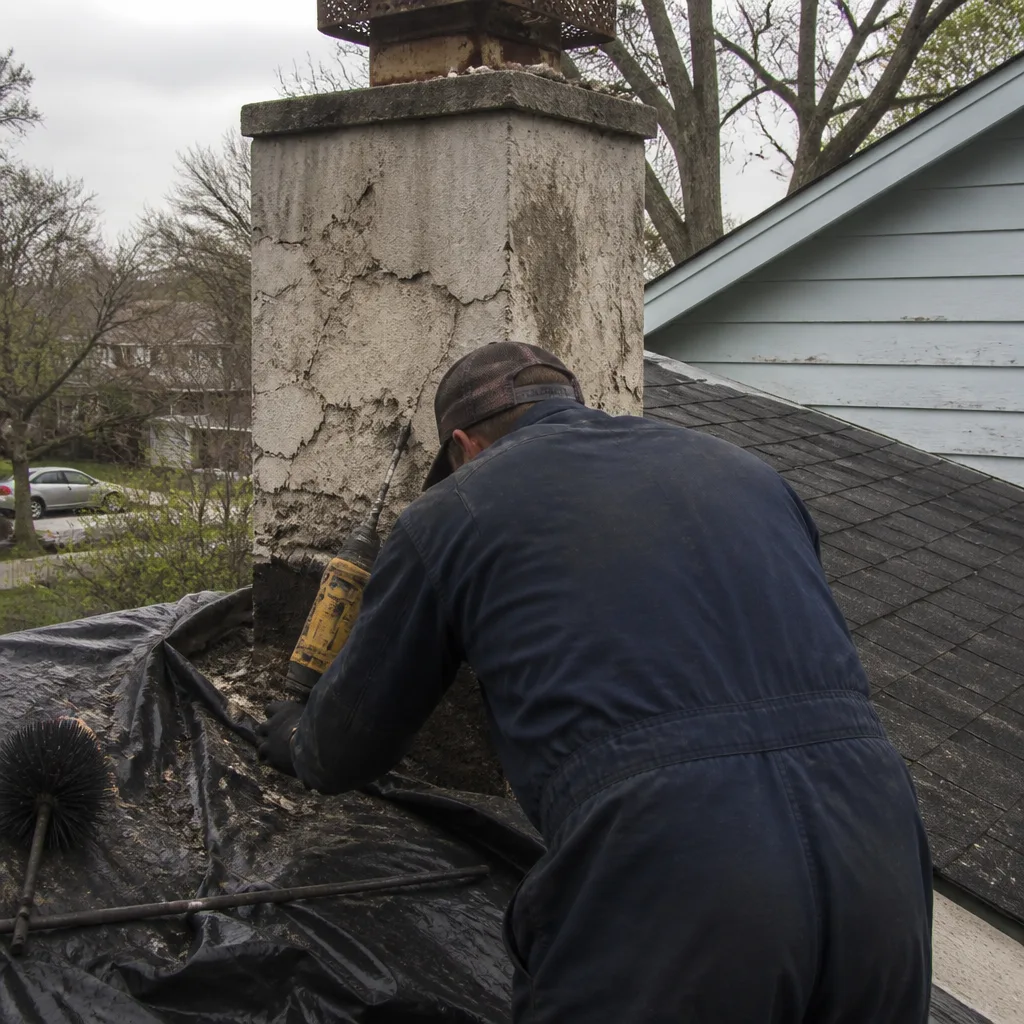 Before
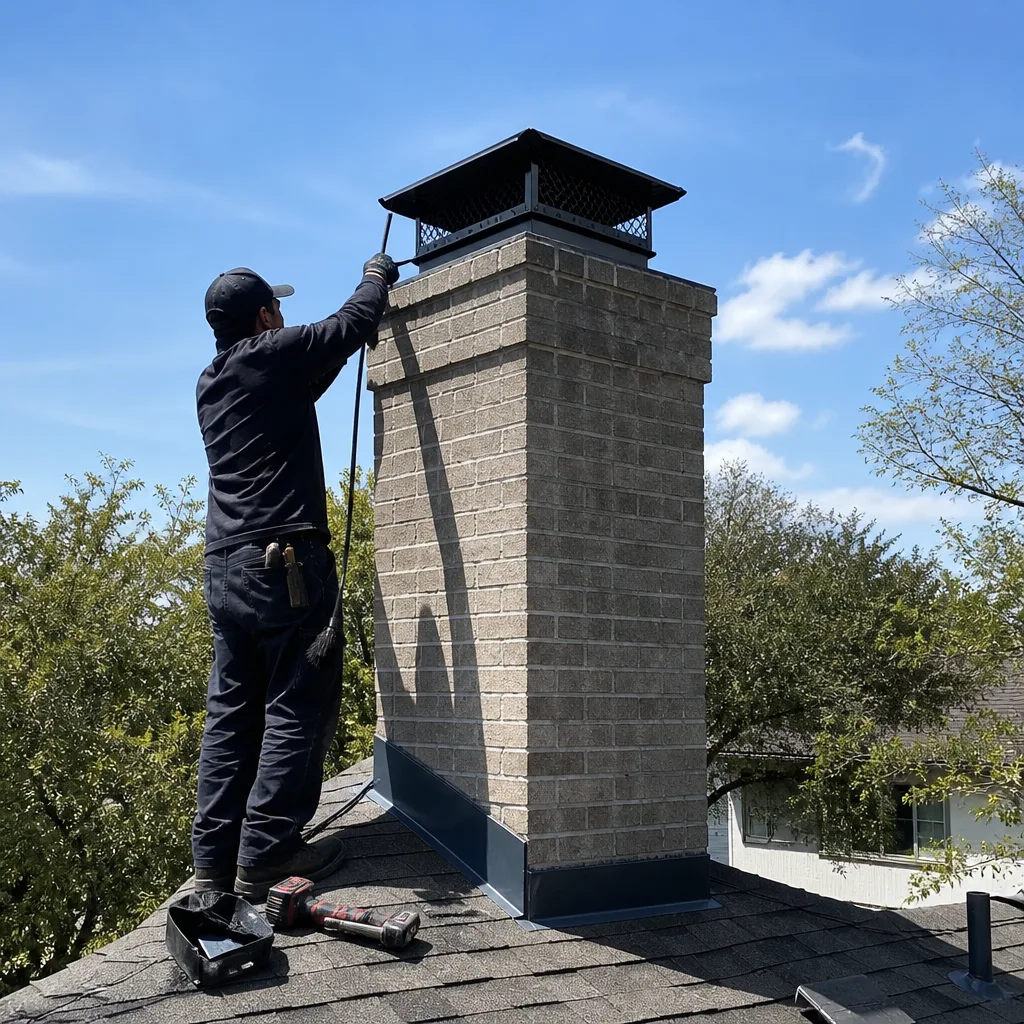 After
After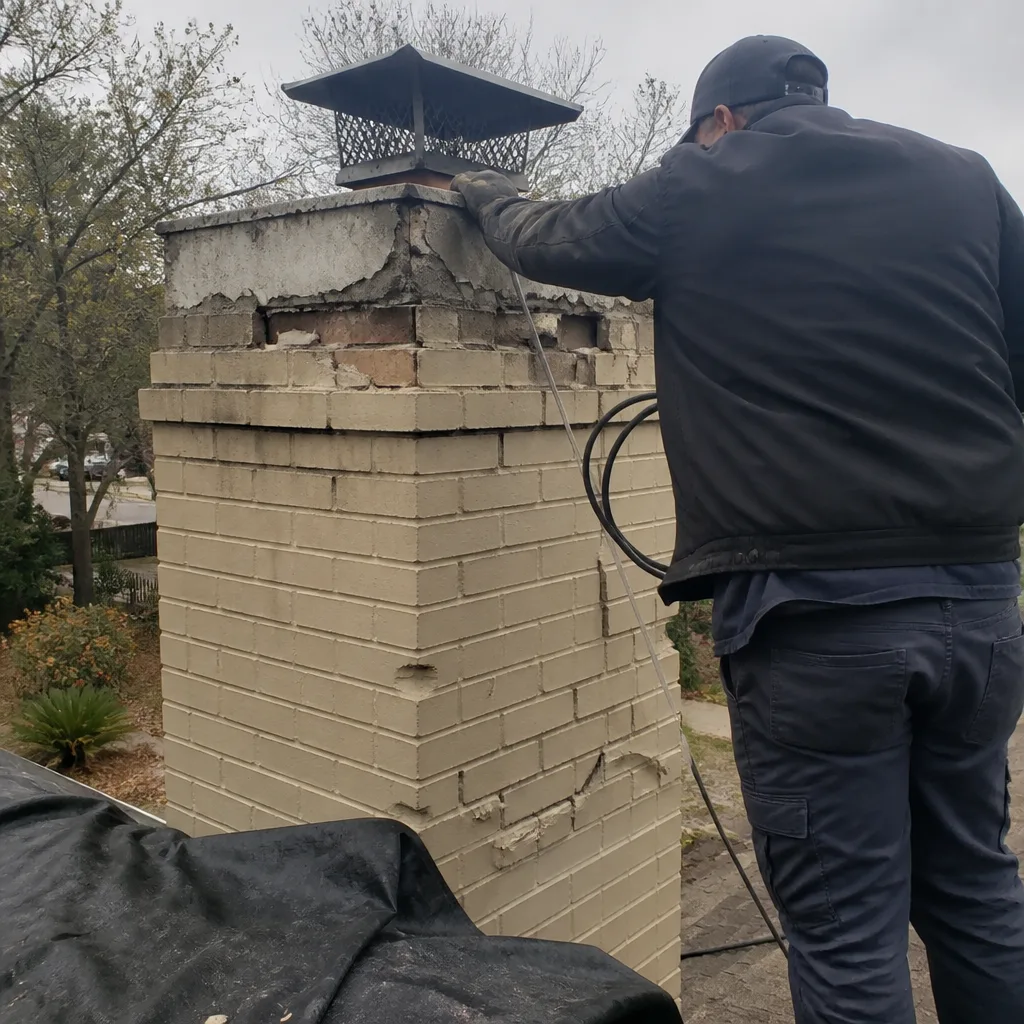 Before
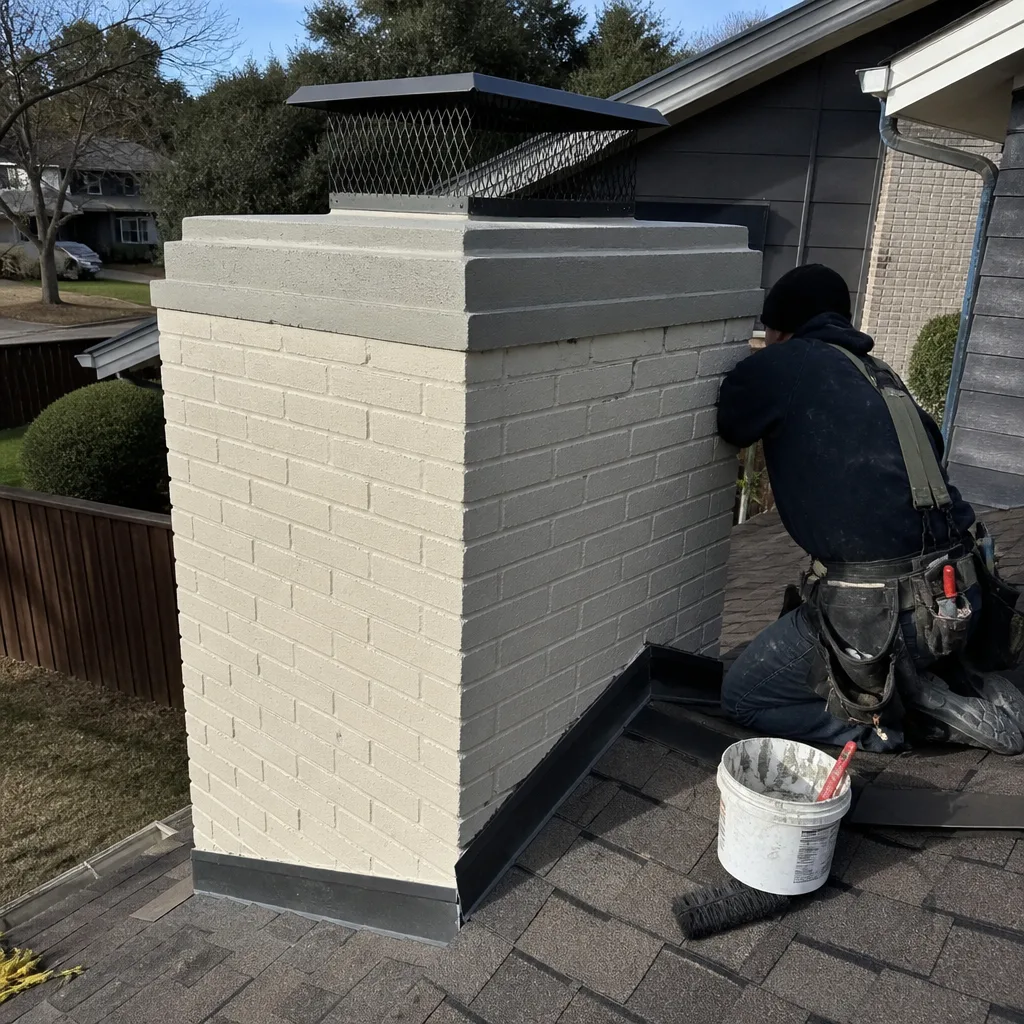 After
AfterSoot Removal in Fort Worth, TX
Soot removal in Fort Worth typically runs between $180 and $400 depending on how much buildup is present and how accessible your flue is. A standard soot removal job takes about 60 to 90 minutes for a single-story home with an open masonry fireplace. It’s the part of Chimney Cleaning & Sweep in Fort Worth that deals specifically with the black, oily or powdery residue that collects on firebox walls, the damper, the smoke shelf, and the flue liner after regular fires.
At Flint Chimney Co Fort Worth, we handle soot removal as its own job when that’s all the chimney needs, or as part of a full sweep when creosote is present too. The difference matters because soot and creosote are not the same thing, and treating them the same way leaves problems behind. Every soot removal job we do in Fort Worth gets a written price before we start, and the work carries our 365-Day Done Right Promise in writing. If you’re seeing black dust around your fireplace or a burnt smell that lingers after fires, call us at (682) 255-2144 and we’ll tell you whether soot removal is what you actually need.
What Soot Is and Why It Needs to Come Out
Soot is fine carbon particulate that forms when wood or gas doesn’t burn completely. It’s lighter than creosote, less sticky, and easier to remove, but it still causes real problems when it accumulates. The furnace in most Fort Worth homes runs hard from November through February, which means fireplaces near older neighborhoods like Arlington Heights, Ridglea Hills, and the Historic Southside get steady seasonal use, and soot builds up faster than homeowners expect.
Soot is acidic. Left in place, it can etch firebrick, corrode metal dampers, and leave a film on glass doors that’s stubborn to clean with household products. It also holds odors. When humidity rises in spring, a soot-loaded chimney often smells like a dead campfire inside the house, and that smell seeps into drywall and fabric. For gas log sets, soot buildup on logs and burner ports reduces flame performance and can indicate incomplete combustion, which is a combustion air issue, not just a cleaning issue. A proper soot removal job from our crew leaves the firebox, damper assembly, and accessible flue surfaces clean so the fireplace draws properly again.
We don’t use chemical soot destroyers that claim to burn the stuff off. They work inconsistently and the residue they leave can complicate later repairs. We remove soot mechanically with the right brushes and HEPA-filtered vacuums, used by background-checked, uniformed technicians who document what they find before and after.
When You Need Soot Removal
Not every fireplace needs a full sweep. Sometimes the chimney is structurally clean on creosote but the firebox and visible liner surfaces are coated in soot that affects how the fireplace performs and smells. Here’s when a dedicated soot removal makes sense in a Fort Worth home:
- Black dust on the hearth, mantel, or nearby furniture after fires. This is airborne soot settling back into the room, and it usually means the damper position or the draft is pushing smoke particles into living space instead of up the flue.
- A persistent burnt or smoky odor between fires. In humid Fort Worth weather, soot absorbs moisture and releases odor. Homes near the Trinity River or Lake Worth notice this more, because ambient humidity is higher near water.
- Gray or black film on fireplace glass doors. If you’re cleaning the glass after every fire and it clouds again within a burn or two, the soot layer inside the firebox is thick enough to keep redepositing.
- Gas logs with dark streaking on the logs or around burner ports. This signals soot production from an air-to-fuel imbalance, and it needs the soot removed plus a check of the log positioning and burner condition.
- Visible soot flakes falling into the firebox when you tap the damper or close the doors. That’s a sign of accumulated material on the smoke shelf and upper firebox that has loosened and is working its way down.
- Your last sweep was more than a year ago and you burn regularly. Fort Worth’s oak and mesquite firewood produces heavy particulate. Even a well-drafted chimney builds soot over a season, and annual removal keeps it from compacting into creosote.
If you’re seeing thick, shiny, or tarry black deposits, that’s creosote, not soot, and it’s a different conversation. Call us and describe what you’re seeing. Hank or one of our techs will tell you straight whether you need soot removal, a full Chimney Cleaning & Sweep in Fort Worth, or an inspection to rule out a draft or combustion problem.
Our Soot Removal Process
We follow the same discipline on a soot removal that we do on a full structural repair, because the process is what protects your home and our guarantee. Here’s how it runs:
- Interior protection first. We lay drop cloths from the entry to the hearth and seal the fireplace opening with a HEPA-filtered vacuum barrier. Soot is fine enough to become airborne and travel. We don’t let it.
- Written assessment. Before we touch the chimney, your technician inspects the firebox, damper, smoke shelf, and visible flue conditions, and gives you the written price. If something else surfaces during the job, you get an updated written number before we proceed. No surprises on the invoice.
- Mechanical soot removal. We work top-down with appropriately sized brushes, removing soot from the flue liner and smoke shelf, then brush the firebox walls and floor. For gas log sets, we remove soot from log surfaces and clear burner ports with the right tools, not improvised picks.
- HEPA vacuum recovery. Every bit of loosened soot is captured, including what’s trapped in the damper assembly and on the smoke shelf. Household vacuums don’t filter fine carbon; ours do.
- Post-removal inspection and documentation. We check draft function, damper operation, and look for soot conditions that indicate combustion air problems or flue obstruction. You get a clear explanation of what we found and, if needed, a written recommendation for follow-up.
- Written guarantee. Every soot removal is covered by the 365-Day Done Right Promise. If something we missed shows itself within a year, we return at no charge. That’s not marketing language; it’s in the document you keep.
The whole job for a standard open fireplace usually takes under two hours. We work clean, and we leave the hearth cleaner than we found it.
Soot Removal Pricing in Fort Worth
Here’s what soot removal costs in Fort Worth at the time of this writing. These numbers assume a standard single-flue masonry fireplace in a single-story home. Your exact price is confirmed in writing before work begins, and that written number is what you pay.
| Service | Typical Range | Notes |
|---|---|---|
| Soot removal, open masonry fireplace | $180 – $280 | Firebox, damper, smoke shelf, accessible flue surfaces |
| Soot removal, prefab fireplace | $200 – $320 | Includes factory-built firebox and flue pipe brushing |
| Soot removal with gas log set cleaning | $220 – $350 | Includes log surface soot removal and burner port clearing |
| Soot removal, two-story home or steep roof access | $280 – $400 | Additional time for ladder setup and longer flue runs |
| Heavy soot accumulation (multiple seasons) | $300 – $400 | Requires additional brushing passes and longer vacuum recovery |
What changes the price: fireplace type (masonry vs. prefab), how many seasons of soot have built up, whether gas logs are present, roof pitch and height, and whether the flue has offset bends that slow the brush work. We’ll tell you your number before we start, and you approve it in writing. Call (682) 255-2144 for a free estimate.
When the soot layer has compacted into creosote, or the inspection shows flue damage behind the soot, the job changes. You’ll get a written recommendation that lays out what we found and the exact cost to address it, using materials from brands like Copperfield and DuraFlex when liner or component work is involved. You make the decision with all the numbers in front of you. No pressure, no vague verbal quotes.
Soot Removal vs. Creosote Removal: Know the Difference
Most homeowners use “soot” and “creosote” interchangeably, and that’s how overpriced cleaning jobs happen. Soot is dry, powdery or flaky, and black or gray. It brushes off relatively easily. Creosote is the residue of wood smoke that condenses as a liquid and hardens into a shiny, tar-like or crusted deposit. It’s flammable, difficult to remove, and the reason chimney fires start.
If a technician quotes a soot removal and then “finds” creosote and doubles the price at the door, that’s a red flag. At Flint Chimney Co Fort Worth, we name what we see, show you the evidence, and put the corrected price in writing before we continue. Our process under The Garrison Standard means the number on your invoice matches the number you approved, every time.
In Fort Worth’s older bungalow neighborhoods like Mistletoe Heights and Fairmount, we regularly see chimneys where decades of fires produced a soot cap over a creosote base. That’s a full sweep job, not a soot removal, and we’ll tell you why before we quote it. Homes with wood stoves or fireplace inserts tend to produce more creosote than open fireplaces, especially when burning unseasoned oak. If you use an insert, ask us about a creosote assessment during your next Chimney Cleaning & Sweep in Fort Worth visit.
Do You Need a Soot Removal Every Year?
For most Fort Worth homes with an open wood-burning fireplace in regular use, an annual soot removal or full sweep is the right interval. The National Fire Protection Association recommends chimneys be inspected at least once a year and cleaned when buildup reaches levels that affect function or safety. Soot builds faster than most people think. A full season of weekend fires in a standard masonry fireplace produces enough soot to affect draft and smell by the following spring.
Gas fireplace owners run on a different schedule. A gas log set that burns clean with proper air mixture may only need soot removal every two to three years. If you’re seeing soot on gas logs at all, that’s a reason to check the burner and log setup, because a properly tuned gas fireplace produces very little soot. Homes with vent-free gas logs, common in Fort Worth’s newer builds, should be checked more frequently since combustion byproducts stay in the living space.
We don’t recommend removing soot more often than the chimney needs it. That’s wasted money, and we won’t sell it. Our technicians are trained to tell you what’s actually required and to leave the flue alone if it’s clean enough to burn safely another season.
Signs Your Chimney Has a Draft Problem, Not Just a Soot Problem
Sometimes soot is a symptom, not the root issue. When a chimney drafts poorly, smoke lingers in the firebox longer, cools faster, and deposits more soot than it should. Fort Worth’s climate plays a role here: our winters alternate between cold dry fronts and damp, mild weeks, and that swing affects stack effect, the pressure difference that pulls smoke up the flue. Homes on slab foundations with short chimneys are especially prone to weak draft on warm days.
You may have a draft problem if you notice any of these:
- Smoke spills into the room when you first light a fire, then settles after the flue warms up
- Soot accumulates on the damper and firebox walls within a few burns after a cleaning
- The fireplace is hard to start and needs the doors cracked open to get going
- You smell smoke in the house hours after the fire is out
- Soot appears on the mantel or nearby walls in a pattern that follows air currents
When we see these patterns during a soot removal, we tell you. The fix might be a damper adjustment, a chimney cap with different airflow characteristics, or a flue extension. We document the condition in writing and give you a specific recommendation with a specific price. You decide what happens next.
What to Expect When You Call
A live person answers the phone at (682) 255-2144, 24 hours a day, 7 days a week. Not a voicemail tree, not a callback form. You’ll talk to someone who can schedule a visit, walk through what you’re seeing, and tell you what a soot removal costs in most Fort Worth homes. Same-day and next-day appointments are available based on our dispatch schedule, and every technician who arrives is background-checked, uniformed, and works under The Garrison Standard.
We’ve been part of the Garrison Partners family since 2002, which means the process we use in your home follows the same written code used across the family of chimney service companies. The Garrison Code isn’t a slogan. It’s the documented commitment to written pricing, honest assessments, clean work, and a full-year guarantee on every repair we perform.
FAQs – Soot Removal
How much does soot removal cost in Fort Worth?
Soot removal in Fort Worth typically costs between $180 and $400, with most standard open masonry fireplaces landing between $180 and $280. Prefab fireplaces, gas log sets, two-story homes, and heavy buildup push the price toward the top of that range. Call (682) 255-2144 for a free estimate, and you’ll get a written number before any work starts.
Can you remove soot the same day?
We schedule same-day soot removal when our dispatch allows it, which is most days. Call early at (682) 255-2144 and a live person will tell you exactly when a technician can be at your door, and that window is what we keep. No showing up two hours late, no rescheduling without a call.
Is soot removal included in a regular chimney sweep?
Yes. A full Chimney Cleaning & Sweep in Fort Worth removes soot, creosote, and debris from the flue, smoke shelf, damper, and firebox in one visit. Soot removal as a standalone service is for chimneys that don’t need a full sweep but do need the firebox and visible liner surfaces cleaned and the draft assessed.
Do gas fireplaces produce soot?
Gas fireplaces produce little to no soot when the burner and log set are properly configured. Dark streaking on gas logs means incomplete combustion, usually from incorrect log placement, blocked burner ports, or an air mixture problem. We remove the soot and check the setup so you’re not cleaning the same streaks again next month. Call (682) 255-2144 and describe what you’re seeing.
Why does my house smell like smoke when the fireplace isn’t in use?
The smell is usually soot and creosote residue inside the chimney releasing odor as Fort Worth’s humidity rises, especially in spring and fall. A soot removal clears the residue, and a draft check addresses any backflow pulling chimney air into the house. If the smell persists after a cleaning, we do a more detailed inspection to find the source, and you get our findings in writing.
Is soot removal dangerous if I try to do it myself?
Soot is acidic and the fine particles become airborne easily without the right containment and filtration. Trying to scrub a firebox with household cleaners and a shop vacuum makes a mess and leaves particles in your home’s air. Chimney work also involves working at height if any flue access is required, and that introduces fall risk that isn’t worth taking on yourself. A trained technician with proper equipment does it safely and cleanly. Call (682) 255-2144 and let us handle it.
Get a Written Price Before You Commit
You shouldn’t have to call seven companies to learn what soot removal costs in Fort Worth. You also shouldn’t get a verbal “somewhere around” quote that changes when the technician shows up. At Flint Chimney Co Fort Worth, you get a written price before any work starts, on every job, with no exceptions. That’s The Garrison Standard, and it’s how we’ve operated since 2002.
If your fireplace is leaving soot on the glass, smelling up the living room, or just hasn’t been cleaned in a season or two, call (682) 255-2144 for a free estimate. A live person answers, 24/7, and the technician who arrives will be background-checked, uniformed, and ready with a written number before a tool comes off the truck.
Written by Hank Delano, Owner at Flint Chimney Co Fort Worth, serving Fort Worth.