

Last updated October 15, 2026
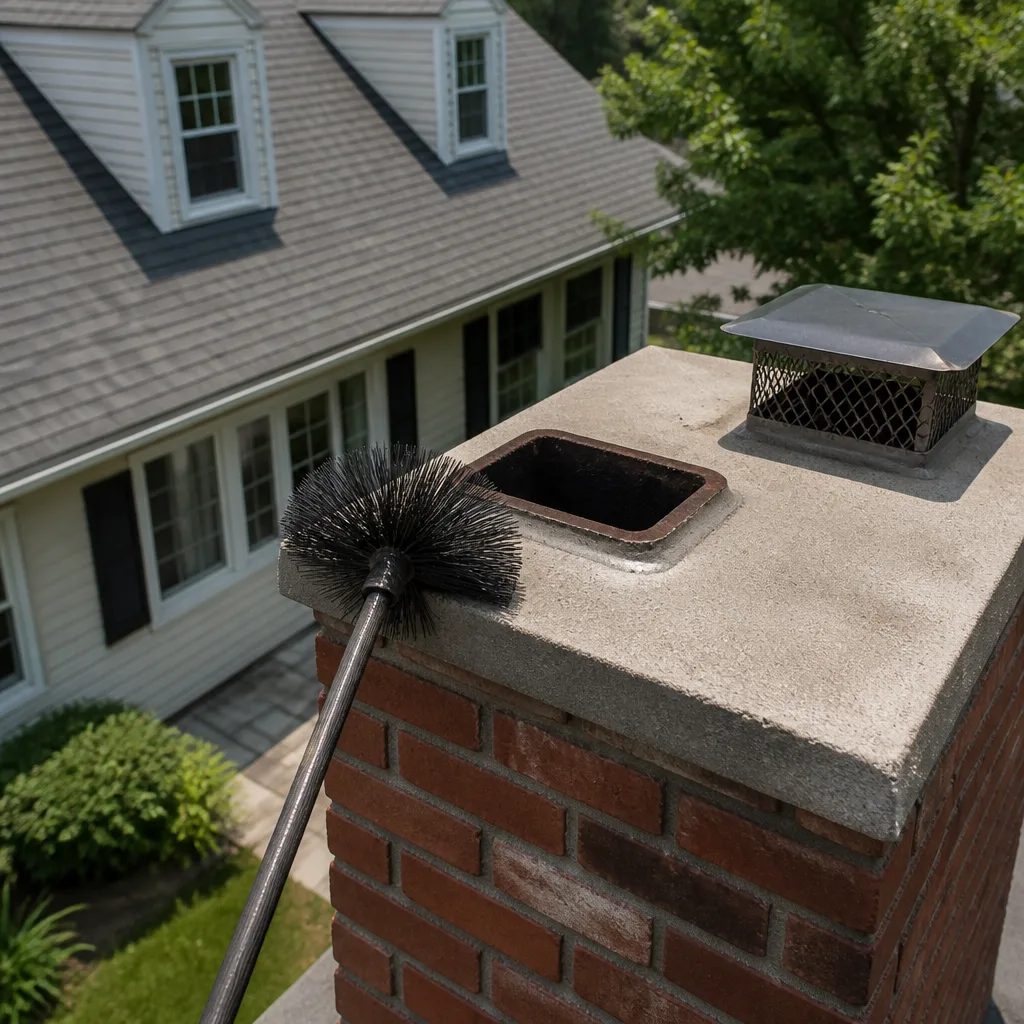 Sweep & inspection
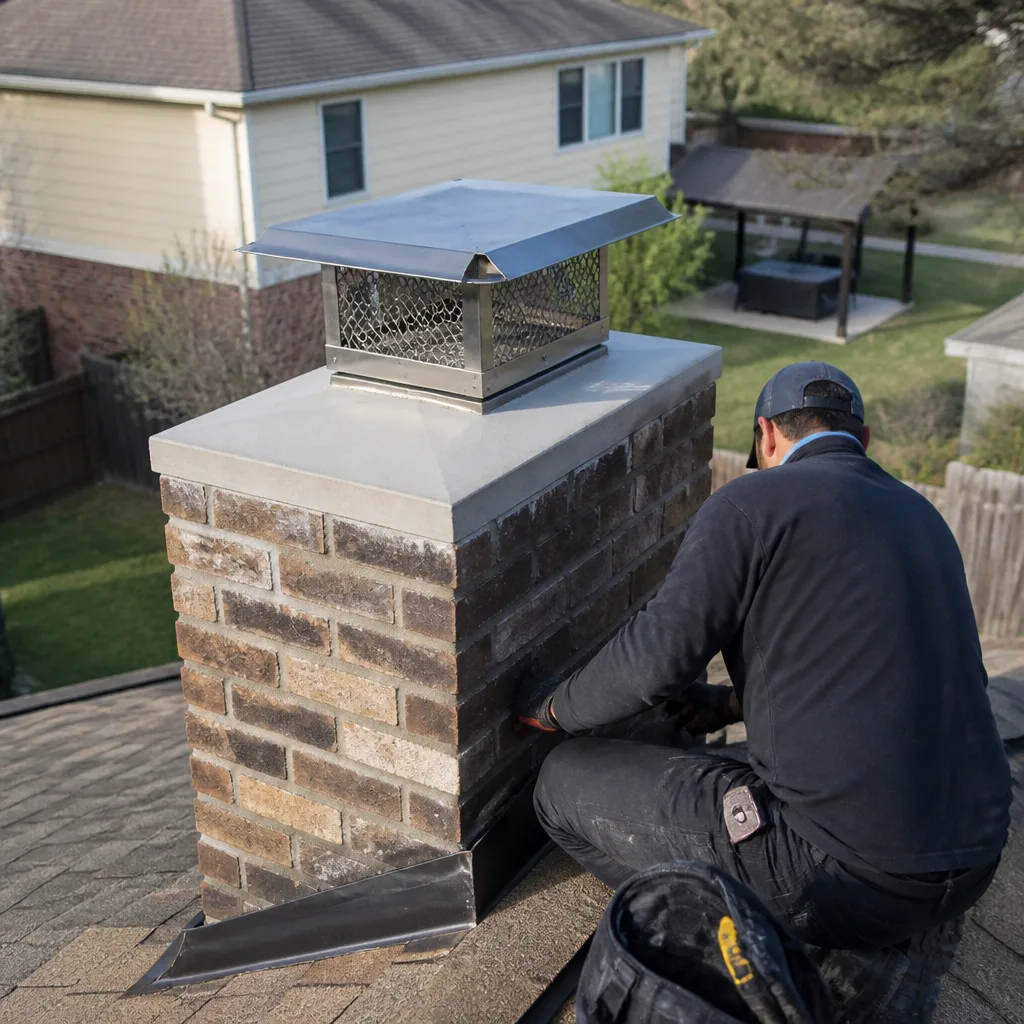
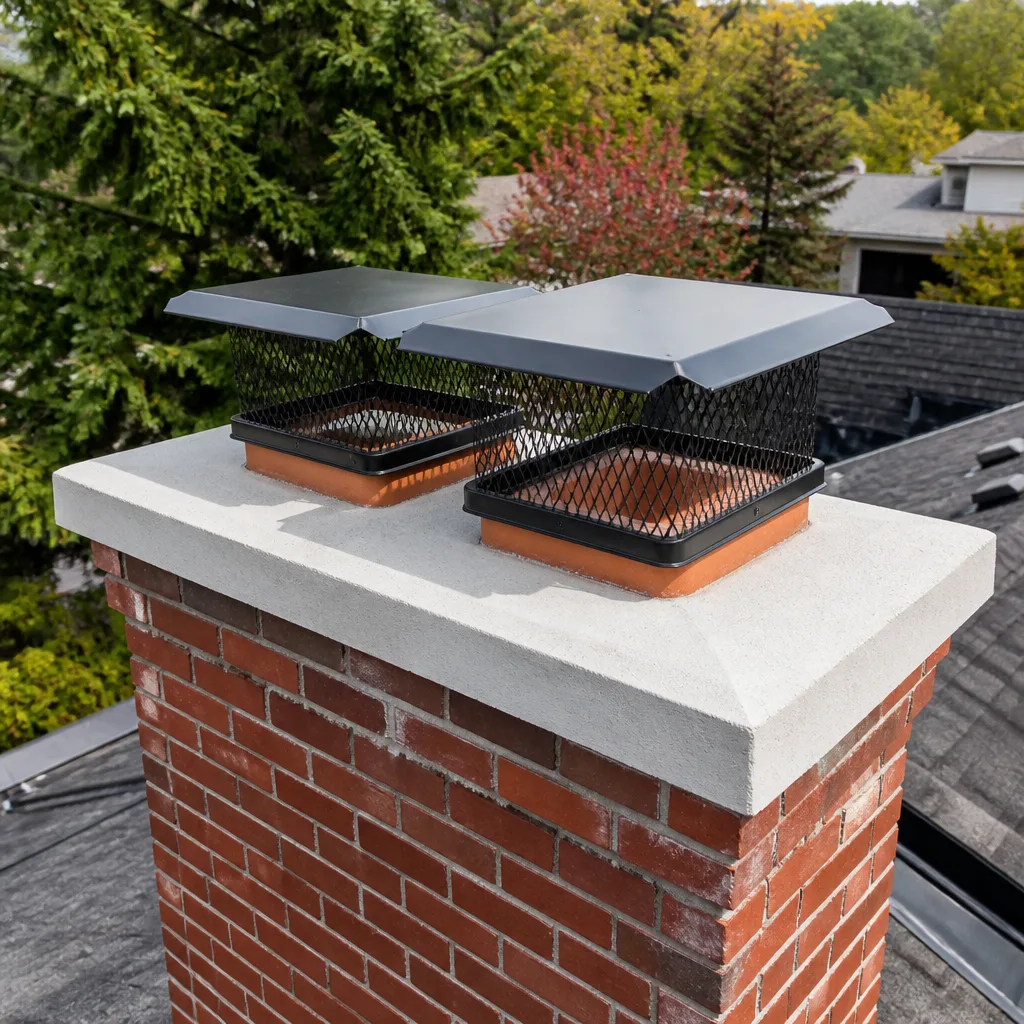 Caps & crowns
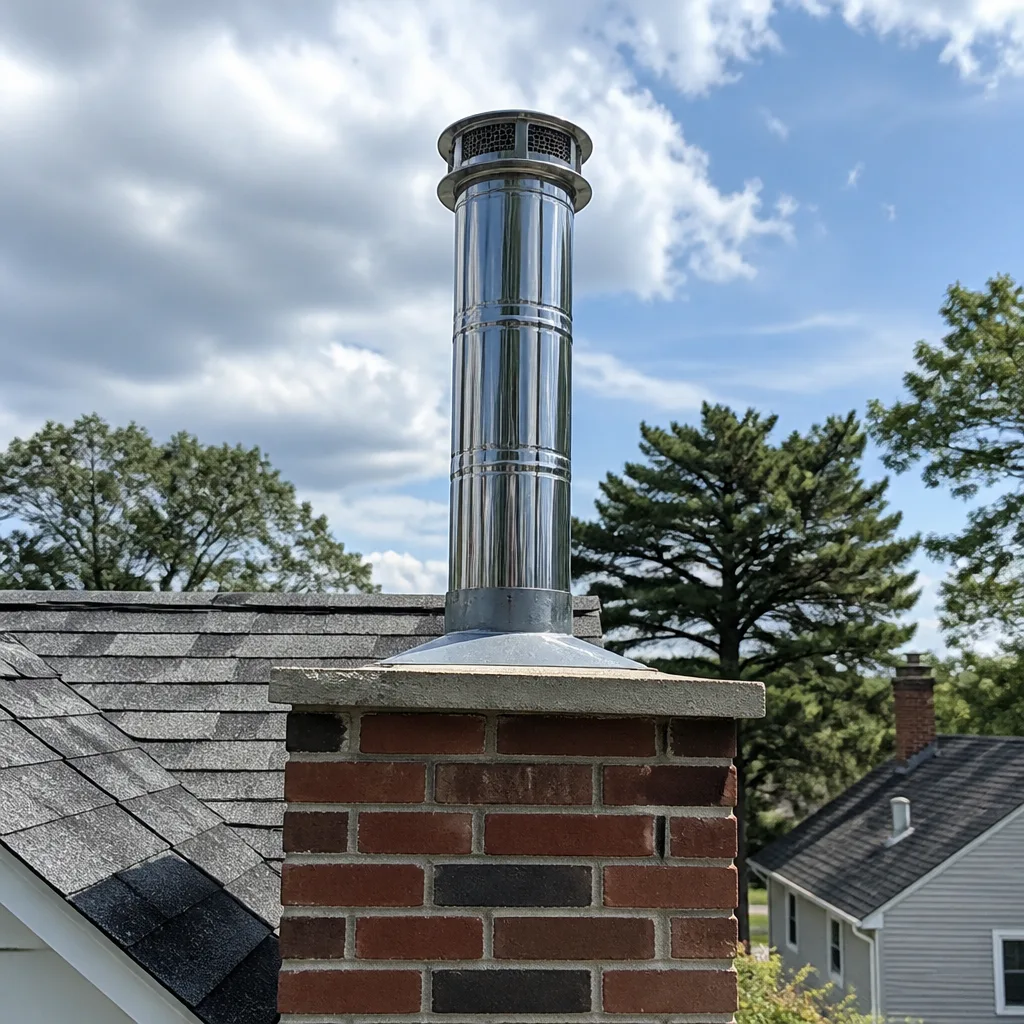 Flue relining
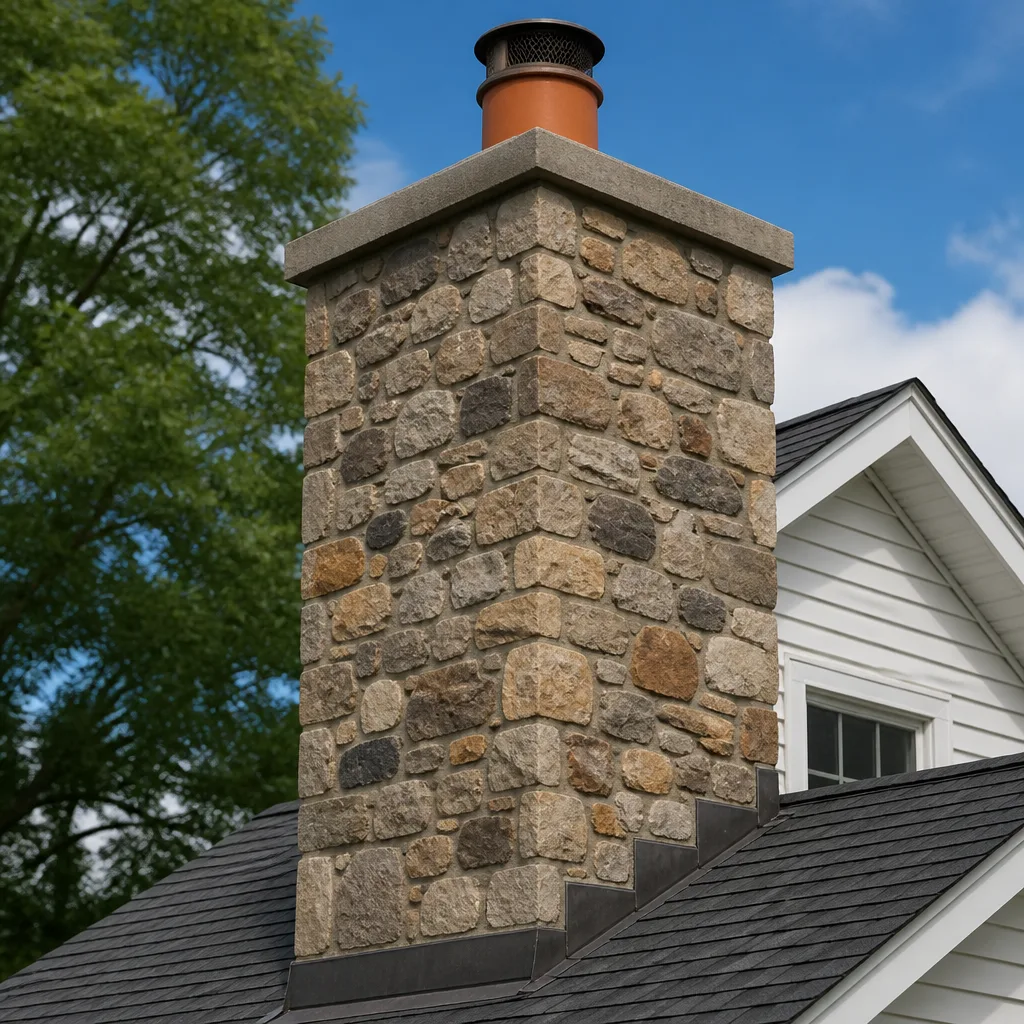 Masonry repair
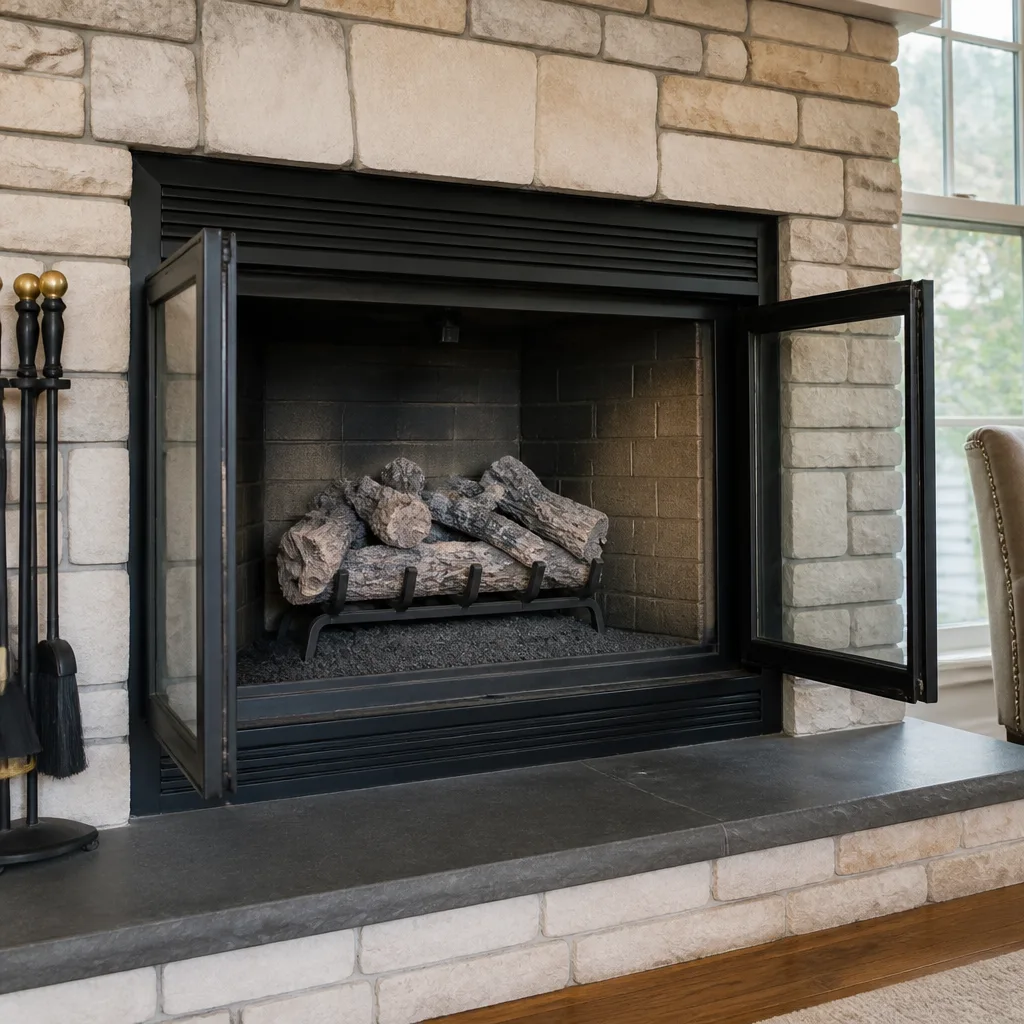 Gas fireplace service
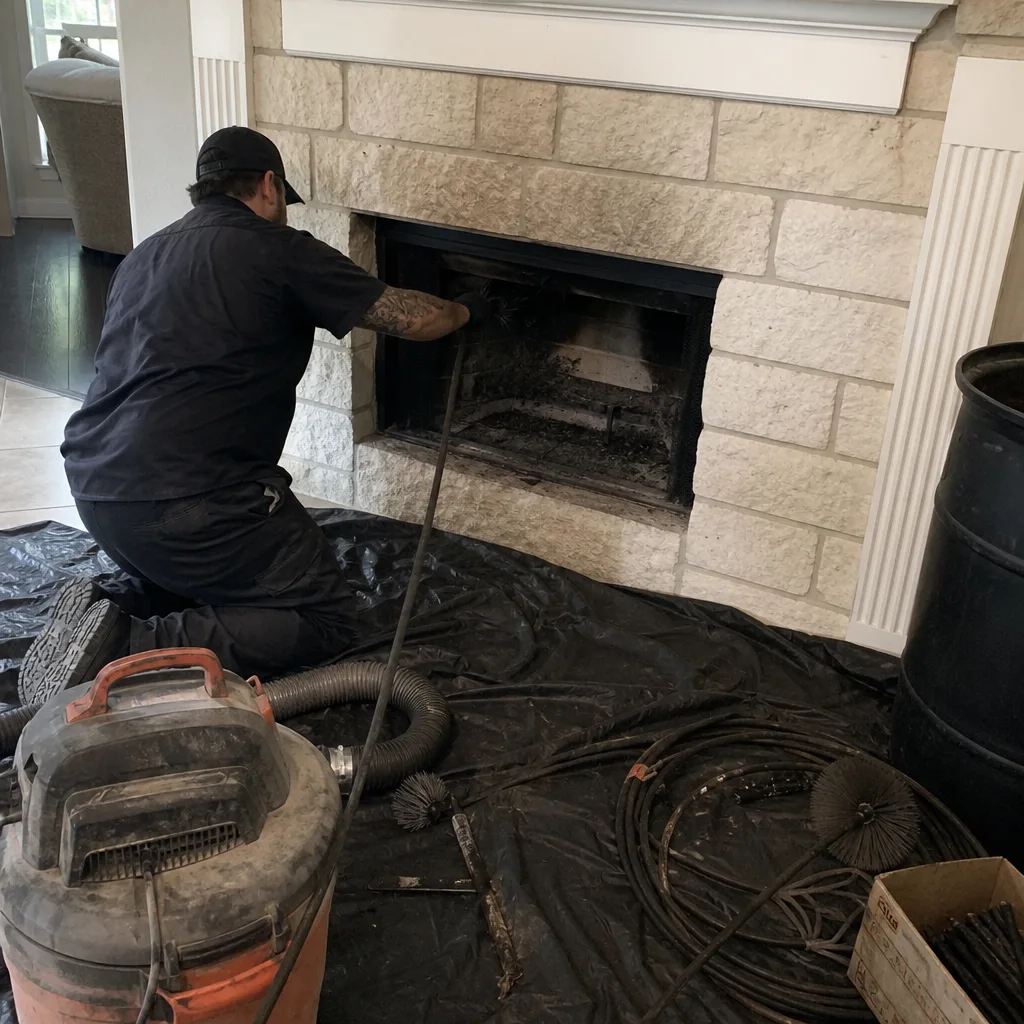
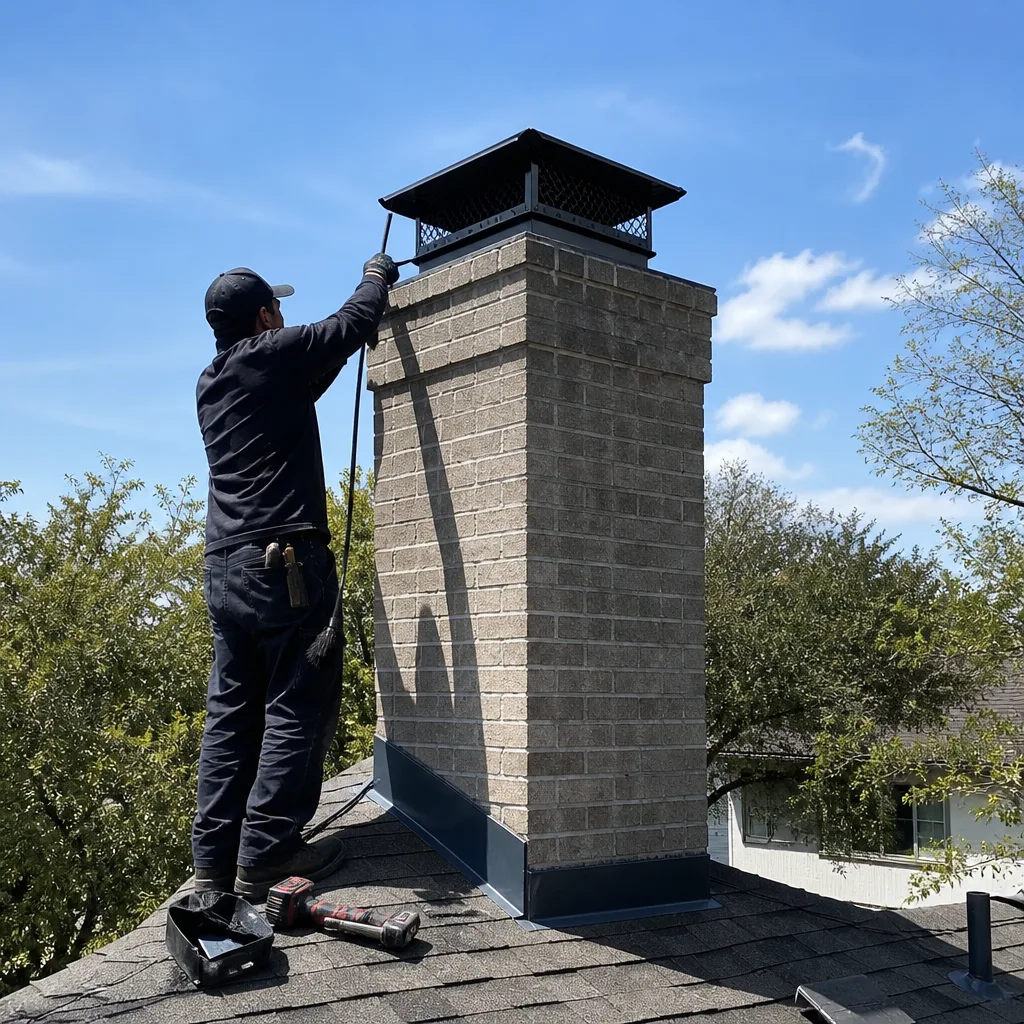
Level 1 sweep and inspection to the NFPA 211 annual standard - flue, crown, cap, and flashing checked and photographed
Chimney sweep logs do not sweep chimneys. They loosen some creosote - which then falls where a brush and vacuum still have to collect it.
DIY vs Professional Chimney Cleaning: The Fort Worth Homeowner’s Decision Guide
Here’s a number most Fort Worth homeowners never hear: roughly 70% of chimney fires in Tarrant County involve chimneys that the homeowner believed were clean. The firebox looked fine. The flue looked fine from below. What they couldn’t see was Stage 2 creosote, a glaze-like layer that needs a camera and trained eyes to spot, and it’s the exact material that ignites. This guide will walk you through what DIY cleaning can honestly accomplish, where it becomes a liability, and how to decide which path makes sense for your chimney, your house, and your insurance paperwork.
Styles & brands we work with
Quick Answer
DIY chimney cleaning is reasonable for light Stage 1 creosote in a straight, open flue you can see from top to bottom. For any chimney with Stage 2 or Stage 3 creosote, cracked flue tiles, an offset flue design, or a history you don’t know, hire a professional – the tools you’d need to see and fix these problems cost more than the cleaning itself, and a missed problem can become a chimney fire.
Table of Contents
- What DIY Chimney Cleaning Can Actually Accomplish
- The Three Conditions That Make a Chimney Unsafe (And Why You Can’t See Them)
- True Cost Comparison: DIY vs Professional Sweep in Fort Worth
- The Insurance Gap: What Self-Cleaning Doesn’t Give You
- The Two-Question Decision Framework
- What Fort Worth Fireplaces Face Specifically
- Safety Notes Before You Climb Anything
- Common Mistakes to Avoid
- When to Call a Professional
- Frequently Asked Questions
- The Bottom Line
What DIY Chimney Cleaning Can Actually Accomplish
Let’s be straight about what a $60 brush kit from a hardware store does well. If your chimney has Stage 1 creosote – a light, dusty, soot-like deposit that brushes off with a nylon or wire brush – and your flue runs straight up from the firebox to the cap with no bends, then yes, you can remove it. You’ll need a brush sized to your flue, fiberglass or polypropylene rods, a drop cloth, a shop vacuum with a HEPA filter, eye protection, and an N95 or better mask. The work takes most homeowners between 90 minutes and 3 hours.
For that to be sufficient, four conditions must all be true at the same time:
- Your chimney has only Stage 1 creosote – dusty, brown, and flaky, not shiny, not glazed, and not tar-like.
- Your flue runs dead straight from firebox to cap. No offsets, no elbows, no multi-flue shared chase. You can shine a flashlight from below and see daylight at the top.
- Your liner is intact. No cracked tiles, no gaps, no spalling (flaking clay), no visible metal seams separating.
- You burn well-seasoned hardwood – oak, hickory, pecan – at a normal rate, and you’ve burned fewer than roughly 15 fires since the last cleaning.
If all four are true, a careful homeowner with the right tools can do a competent job removing the loose soot. That’s the honest answer. The problem is that “all four are true” describes a minority of chimneys in Fort Worth, and you can only confirm the first and fourth conditions from inside the house. The second and third require either a rooftop look down the flue or a camera pushed up it.
The Three Conditions That Make a Chimney Unsafe (And Why You Can’t See Them)
A chimney fire doesn’t start because the firebox looks dirty. It starts because something inside the flue – the passageway that carries smoke up and out – has reached a state you can’t see from the hearth. Three specific conditions account for most chimney fires in Tarrant County, and none of them are visible from the firebox with a flashlight and a mirror.
Stage 2 and Stage 3 Creosote
Stage 2 creosote is the hazard that catches DIY cleaners off guard. It isn’t dusty or flaky. It’s a shiny, black, tar-like glaze that bonds to the flue walls, and it doesn’t yield to a standard wire brush. Removing it requires either chemical treatment followed by aggressive mechanical brushing, or rotary cleaning tools – both are professional equipment. Stage 3 creosote is harder yet: a thick, baked-on layer that often looks like black glass and sometimes requires flue relining (replacing the inner liner that channels smoke safely out of the house), which is a Chimney Repair in Fort Worth service, not a cleaning. Roughly one in five chimneys we inspect in Fort Worth has Stage 2 creosote, and the homeowner didn’t know it because from the bottom, Stage 1 and Stage 2 look the same: black.
Flue Liner Failure
Your flue liner – whether clay tile or stainless steel – is the only thing standing between the hot exhaust of your fire and the wooden framing of your house. Clay tiles eventually crack, spall, or shift, particularly in Fort Worth where the soil expands and contracts with moisture swings and your house can shift by fractions of an inch over the years. A cracked tile lets heat and gases reach the brick or framing around the flue. You cannot see cracked tiles from the firebox. In our experience, many older Fort Worth homes built in the 1960s through the 1980s have at least some tile deterioration, and it’s a routine thing we document with camera photos during chimney inspections.
Blockages and Partial Blockages
Nesting birds, dead animals, leaves, tennis balls – in Tarrant County, the most common blockage we remove is a squirrel or bird nest that’s been built just below the chimney cap. A partial blockage doesn’t just reduce draft; it can force smoke and carbon monoxide back into the home, and it can trap creosote above it. A full blockage will make itself obvious when smoke rolls back into the room. A partial one often won’t. You’ll notice a fireplace that “doesn’t draw like it used to” but never connect it to a nest twenty feet up the flue.
Call Flint Chimney Co Fort Worth for a camera inspection if the draft has changed or if you haven’t had the flue looked at in two years. The inspection document you get back is worth keeping, and we’ll explain why below.
True Cost Comparison: DIY vs Professional Sweep in Fort Worth
The honest math on DIY chimney cleaning rarely comes out the way homeowners expect. The brush kit is the least of it. Let’s add up what a competent DIY job actually costs, and then compare it to what a professional sweep costs in Fort Worth.
| Item | DIY Cost (Fort Worth market) | Notes |
|---|---|---|
| Chimney brush (sized to flue) | $35 – $80 | Wrong size means weak sweep or a stuck brush |
| Fiberglass rods (enough to reach full flue height) | $40 – $90 | Overlapping or cheap rods can separate inside the flue |
| Shop vacuum with HEPA filter | $80 – $180 if you don’t already own one | A standard vacuum will push fine soot into your living room air |
| Drop cloths, tape, eye protection, N95 mask, gloves | $25 – $50 | Non-negotiable; creosote dust is a serious irritant |
| Disposal and cleanup time | 2 – 4 hours of your time | Not a dollar cost, but a real one |
| Rooftop work (if you have to get on the roof to access the cap or confirm liner condition) | $0 if you own a tall ladder, or $150+ rental | You may not have to get on the roof for a straight flue, but many Fort Worth homes require it to inspect the cap |
| Documented inspection (camera) | Not available to a homeowner at hardware store prices | Basic inspection cameras run $200+; professional models much more |
| Total typical DIY cost | $180 – $400 plus 3 – 6 hours | First-time cost if you need to buy everything |
| Professional sweep in Fort Worth | $150 – $300 typical | Includes cleaning, full inspection, documentation, disposal |
A standard chimney sweep in Fort Worth typically runs $150 to $300, and at Flint Chimney Co Fort Worth, every job gets a written price before any work starts – the number on the invoice is the number you approved, always, on every job, no exceptions. That $150 to $300 includes the sweep itself, the debris removal, and a visual inspection of the accessible components of the chimney.
So the honest cost comparison is this: a first-time DIY job costs you between $180 and $400 in tools and supplies and between 3 and 6 hours of your time, and at the end you have a chimney that is clean but not inspected, not documented, and not guaranteed. A professional sweep costs between $150 and $300, takes a technician about 45 minutes to an hour, and leaves you with a clean chimney, a written service record, and the technician’s trained observation of anything that looks wrong.
And that’s the gap we need to talk about next, because it matters most when something goes wrong.
The Insurance Gap: What Self-Cleaning Doesn’t Give You
Here’s the part of the DIY conversation that almost nobody mentions: your insurance company doesn’t owe you an easy claim just because you say you cleaned the chimney. They owe you an easy claim if you can document that the chimney was cleaned and inspected by a professional service. A receipt from a hardware store for a brush kit is not documentation of anything except a purchase.
After a chimney fire, an insurance adjuster will look for two things: whether the chimney had been cleaned recently, and whether the homeowner was negligent in maintaining it. If you cleaned it yourself, you have no written record, no camera documentation, no third-party testimony, and no evidence that the flue was free of structural defects. The insurance company also has no way to verify that the cleaning was done thoroughly, with correctly sized tools, to the full height of the flue.
In Fort Worth, the same documentation matters during a home sale. Buyers increasingly ask for chimney inspection records, particularly in older neighborhoods like Arlington Heights, Berkeley Place, and Ridglea, where homes from the 1930s through the 1960s have masonry chimneys that have moved through decades of North Texas soil movement and temperature swings. A professional chimney sweep in Fort Worth produces a dated service record that lives in your file and transfers to the next owner. A DIY job produces nothing.
That record is one of the quieter reasons to book a Chimney Inspection in Fort Worth even if you’ve already decided you’re going to clean your own flue. You can do the brushing yourself, and separately schedule a professional inspection – but by the time you’ve paid for a professional inspection, the economics get worse for DIY, not better.
The Two-Question Decision Framework
Here’s a straight decision framework, because you don’t need a long list to make this call. You need two questions.
- Can I see the full length of my flue from top to bottom, in daylight, with no bends, and confirm there is no shiny, glazed, or tar-like creosote anywhere on the walls? If yes, and the flue is straight, and you know the last time it was professionally inspected, you’re in reasonable DIY territory. If no – if there’s any bend, any offset, any question about what’s on the flue walls – you’re guessing at conditions you can’t see.
- Can I document the condition of my liner, cap, and flue before I burn again, in a form my insurance company would accept? If you can’t, you’re trading $150 of professional cleaning for what could be a $2,000 – $6,000 repair, a denied claim, or both.
If the answer to either is no, DIY is not saving you money. It’s shifting risk from a company with tools and insurance onto your insurance policy, your mortgage, and your family. That’s not a judgment. It’s arithmetic.
The first question is also the one that gets DIY enthusiasts into trouble, because “I looked up the flue with a flashlight and didn’t see anything shiny” doesn’t confirm anything about the middle and upper third of the flue. Stage 2 creosote often forms thicker in the upper third, where the flue is cooler and the smoke has slowed. From the firebox, that upper section is often invisible even with a strong light.
What Fort Worth Fireplaces Face Specifically
Fort Worth is a unique market for chimney work, and it changes what a chimney needs in ways generic online advice often misses. Three things stand out in our service area.
First: North Texas soil. The clay soils across Tarrant County expand when wet and contract and crack when dry. That movement transfers through slabs and into masonry chimneys, and over decades it produces the hairline cracks in clay flue tiles that we find during inspections. Homes in older Fort Worth neighborhoods – Fairmount, Mistletoe Heights, Ryan Place, Crestwood – have chimneys that have been through forty to eighty Texas summers and the freeze-thaw cycles that come with them. These chimneys are not maintenance-free.
Second: burn season and creosote load. Fort Worth homeowners tend to burn fireplaces recreationally, not as a primary heat source, which means two things: the fires are less frequent, so creosote builds up slowly and homeowners forget how long it’s been since the last cleaning; and the wood is often whatever’s available – sometimes green, sometimes soft pine, sometimes a cedar log from a big-box store that’s not actually seasoned. Green and soft wood produce more creosote than well-seasoned oak or hickory, which means a “light burn season” can still leave Stage 2 deposits behind.
Third: the chimney cap. North Texas wind, hail, and the occasional tornado-season event mean chimney caps take a beating. A missing or damaged cap is an open door for squirrels, birds, and rain, and the animals are the problem. Squirrel nests built in a chimney flue below the cap are one of the most common findings on our inspection reports, and they’re a fire hazard in their own right.
If you haven’t had your chimney looked at, you can schedule a Chimney Sweep in Fort Worth with us and the sweep includes a visual check of the cap and accessible flue components. We’ll tell you what we see and what we recommend, and you’ll get the written record of both.
Safety Notes Before You Climb Anything
We need to say this clearly because any honest guide to DIY chimney work has to. Chimney cleaning involves three things that hurt people every year:
- Roof access: If your Fort Worth home’s flue can only be reached by ladder, you’re now doing two jobs at once: chimney cleaning and rooftop work. The fall risk is real, and the person most likely to fall is a confident homeowner who never works at height. If you have any hesitation about the roof pitch, the ladder setup, or the surface condition, do not get on the roof. The cleaning can wait.
- Creosote dust and soot: Creosote is a known skin and lung irritant. Inhaling fine soot can trigger respiratory problems, and getting creosote on your skin will often cause a burning sensation or rash. Wear an N95 mask at minimum, prefer a P100 if you can find one, gloves, and long sleeves. Vacuum as you work with a HEPA-filtered vacuum, not a standard shop vac, which will just circulate the fine particulate into the room.
- Chimney fires during the learning curve: The reason a professional sweep starts with an inspection is that cleaning a chimney that has an unseen crack or a Stage 2 creosote layer can be worse than doing nothing. You’ll brush the loose soot off the surface and leave the glazed creosote bonded to the walls, then build a hot fire, and the fire will find that glaze. A chimney fire can happen the same week you “cleaned” the chimney, which is the most demoralizing and expensive version of this mistake.
If any of these three gives you pause, that’s a reasonable signal to call a professional rather than talk yourself into the DIY route. The cleaning is not the expensive part. The repair work and the insurance fight after a problem are the expensive part.
Common Mistakes to Avoid
- Skipping the inspection because “the chimney looked clean.” The majority of Stage 2 creosote we remove in Fort Worth looked like innocent black soot from the firebox. Without a camera or a roofline look down the flue, you cannot distinguish a sweep-and-go job from a hazard.
- Buying a brush before measuring the flue. A brush that’s one size too small will polish the center of the flue and leave the corners coated. A brush that’s one size too large will jam, and a stuck brush means a professional rod-and-retrieval visit. Measure the flue first, or buy an adjustable brush cautiously.
- Using a standard vacuum for fine soot. Standard shop vacs aren’t sealed for fine particulates. They’ll blow a percentage of the creosote dust back into the house as a fine black film on every surface.
- Cleaning in the middle of burn season and calling it done. If you sweep your own chimney in November and don’t verify the liner condition, you’re trusting your family’s safety to something you can’t see. In Fort Worth, the smart sequence is inspection, then cleaning, then burn season.
- Trusting the previous owner’s word. “The seller said they had it swept every year” is a Fort Worth real estate phrase we hear constantly. We’ve inspected chimneys where that was true, and chimneys where the last professional cleaning predated the seller by a decade. If you don’t have a dated service record, assume the chimney hasn’t been cleaned.
- Treating a chimney as optional maintenance. A masonry chimney is a structural component of your house. Cracks, spalling bricks, and failed mortar joints are progressive problems. What you ignore in March gets more expensive next March, and Texas weather does not pause for you to catch up.
When to Call a Professional
Call a professional chimney sweep when any of these apply: you can’t see the full flue from top to bottom; there’s any shiny or glazed creosote visible; you’ve had a chimney fire or a strong burning smell even with the damper open; your house has shifted (cracks in drywall or brick, doors sticking); you smell smoke or musty air from the fireplace when it’s not in use; or you’ve lived in the home three years or more with no inspection on record. Flint Chimney Co Fort Worth provides free estimates in Fort Worth – call (682) 255-2144 and a live person answers, any hour, any day of the week. No phone tree.
Frequently Asked Questions
A professional chimney sweep in Fort Worth typically costs $150 to $300, depending on flue height, accessibility, and the level of creosote buildup. At Flint Chimney Co Fort Worth, every job gets a written price before any work starts, so you’ll know the exact number before the first tool comes off the truck. Call (682) 255-2144 for a free estimate.
The National Fire Protection Association says chimneys should be inspected at least once a year and swept when creosote buildup reaches 1/8 inch or more, which for most Fort Worth homeowners works out to every 30 to 60 fires or every one to two burn seasons. If you burn soft or unseasoned wood, sweep more often.
Yes, for a straight flue with no offsets, you can often clean from inside the firebox using a bottom-up system, but you still need to confirm the flue is straight and inspect the top section of the flue and the cap, which usually requires either roof access or a camera. The cleaning is only half the job; the other half is verifying there’s nothing dangerous you can’t see.
A chimney sweep is the physical removal of creosote and soot; a chimney inspection is the evaluation of the structural and safety condition of the flue, liner, cap, and masonry. In Fort Worth, a professional sweep usually includes a basic visual inspection of accessible components, and a more detailed Chimney Inspection in Fort Worth uses a camera to document the full flue from firebox to cap.
No service should guarantee safety without first seeing the flue, but a professional cleaning plus inspection identifies the conditions that make a chimney unsafe – creosote load, liner cracks, and blockages – and removes the ones that can be removed by sweeping. At Flint Chimney Co Fort Worth, any repair we do carries a written 365-Day Done Right Promise: if it fails within one full year, we come back at no charge.
Creosote accumulates with every fire, and when it reaches Stage 2 thickness, it can ignite and burn inside the flue at temperatures over 2,000°F, cracking liners and potentially spreading to the house structure. In Fort Worth, the risk isn’t the fire in the firebox – it’s the one in the flue, which you can’t see from the living room.
The Bottom Line
DIY chimney cleaning has a valid niche: a light-use, straight flue with known, recent inspection history, cleaned carefully by a homeowner willing to wear the right mask and buy the right vacuum. That’s the minority of Fort Worth chimneys. For everyone else, a $300 professional sweep is cheaper than the insurance argument, the liner repair, or the chimney fire. You don’t need to choose between DIY and a professional for everything. The smartest sequence for most homeowners is a professional inspection first, then a decision about who does the brushing. Whatever you choose, make the decision with your eyes open and your flue documented. Hank Delano and the team at Flint Chimney Co Fort Worth are glad to help – call (682) 255-2144 for a free estimate, and we’ll tell you what you’re working with before you spend a dollar.
Written by Hank Delano, Owner at Flint Chimney Co Fort Worth, serving Fort Worth since 2002.
See the difference
 Before
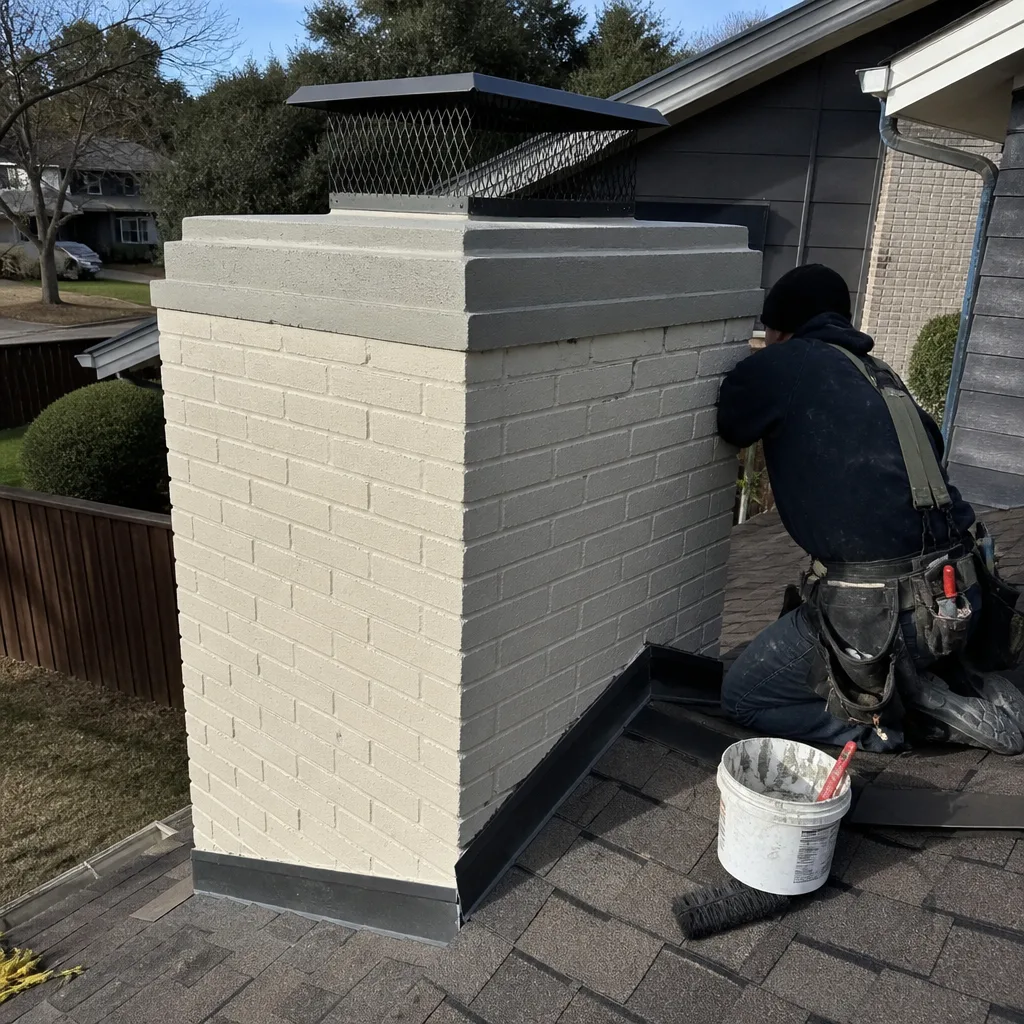
 After
After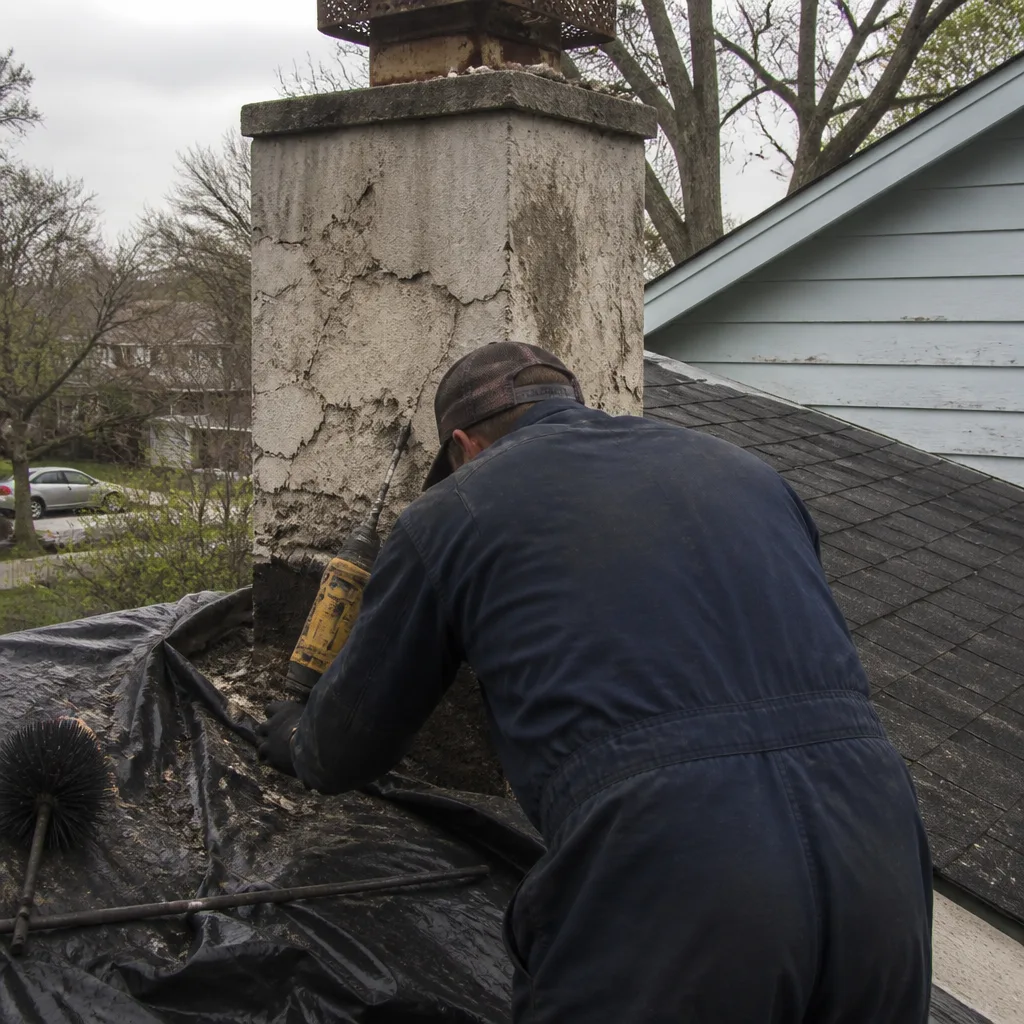 Before
 After
After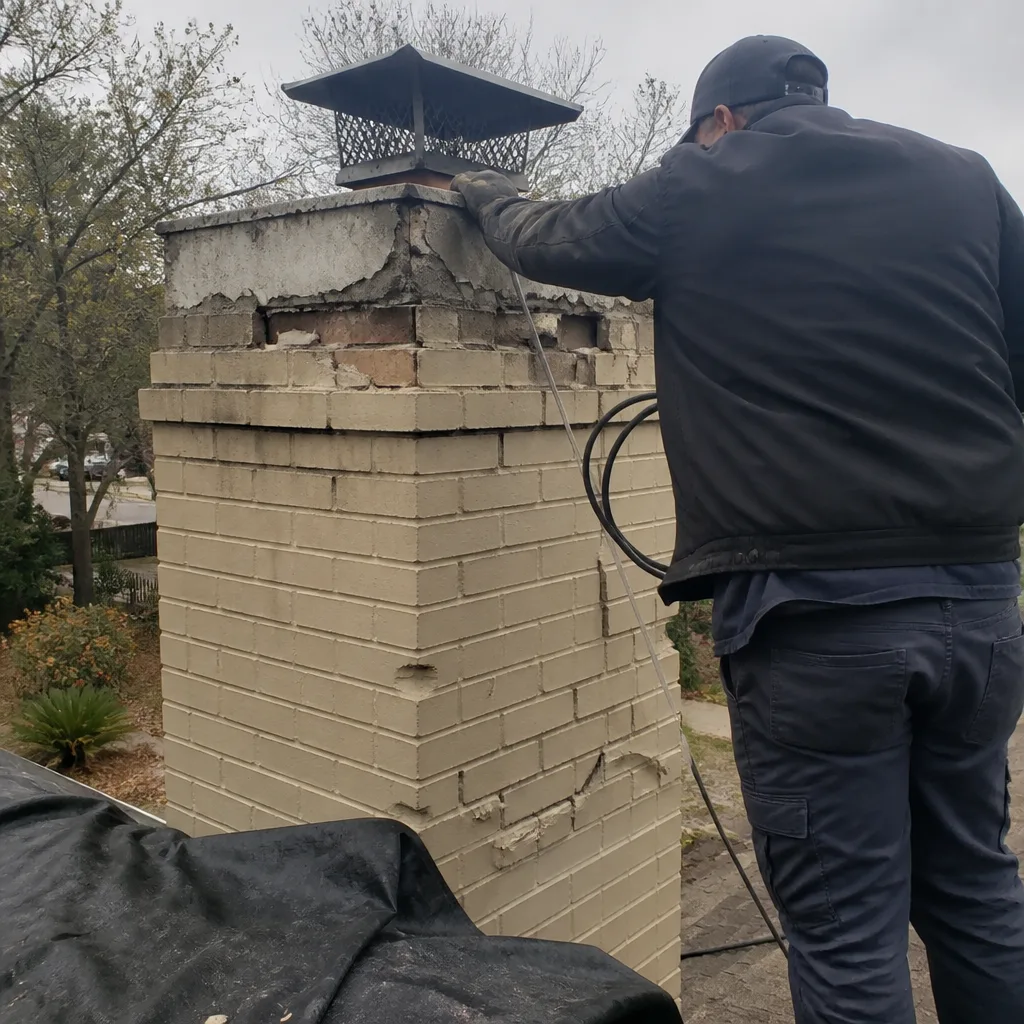 Before
 After
After