

Last updated October 15, 2026
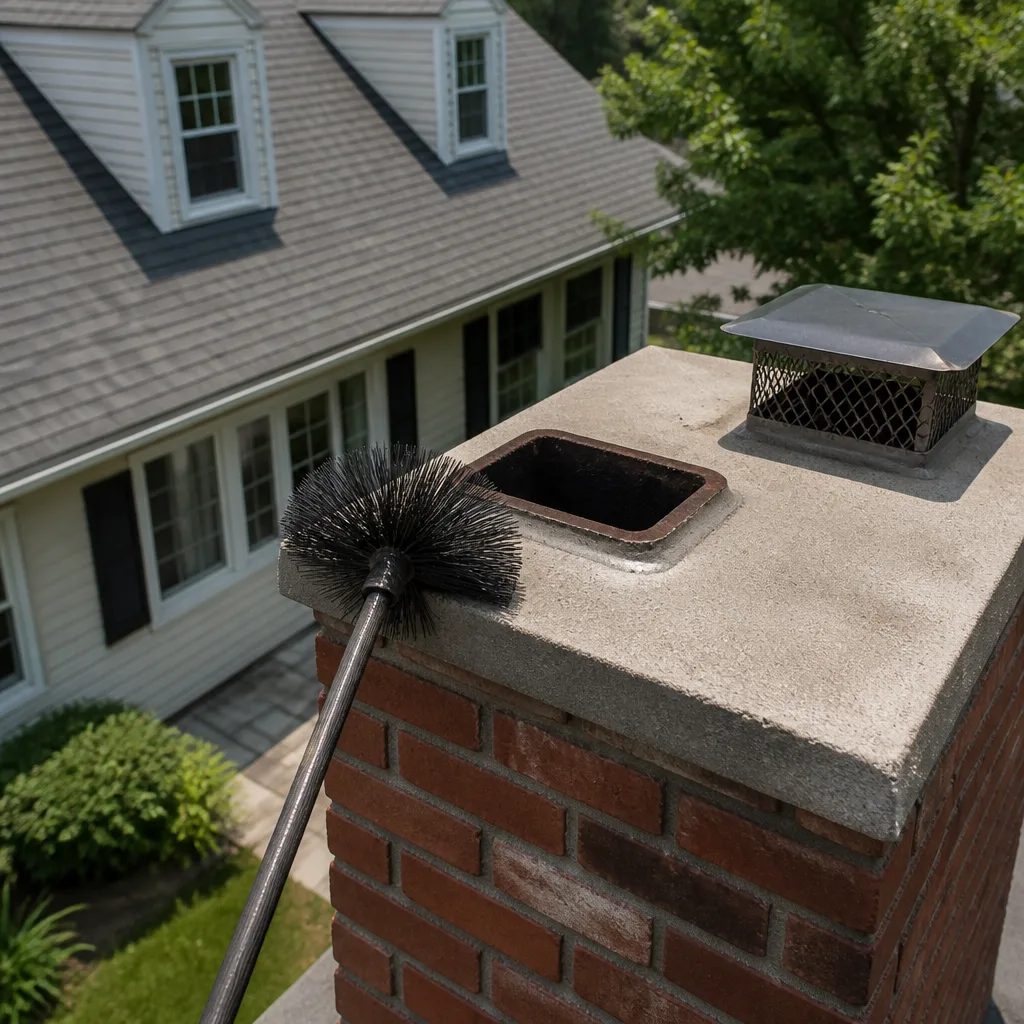 Sweep & inspection
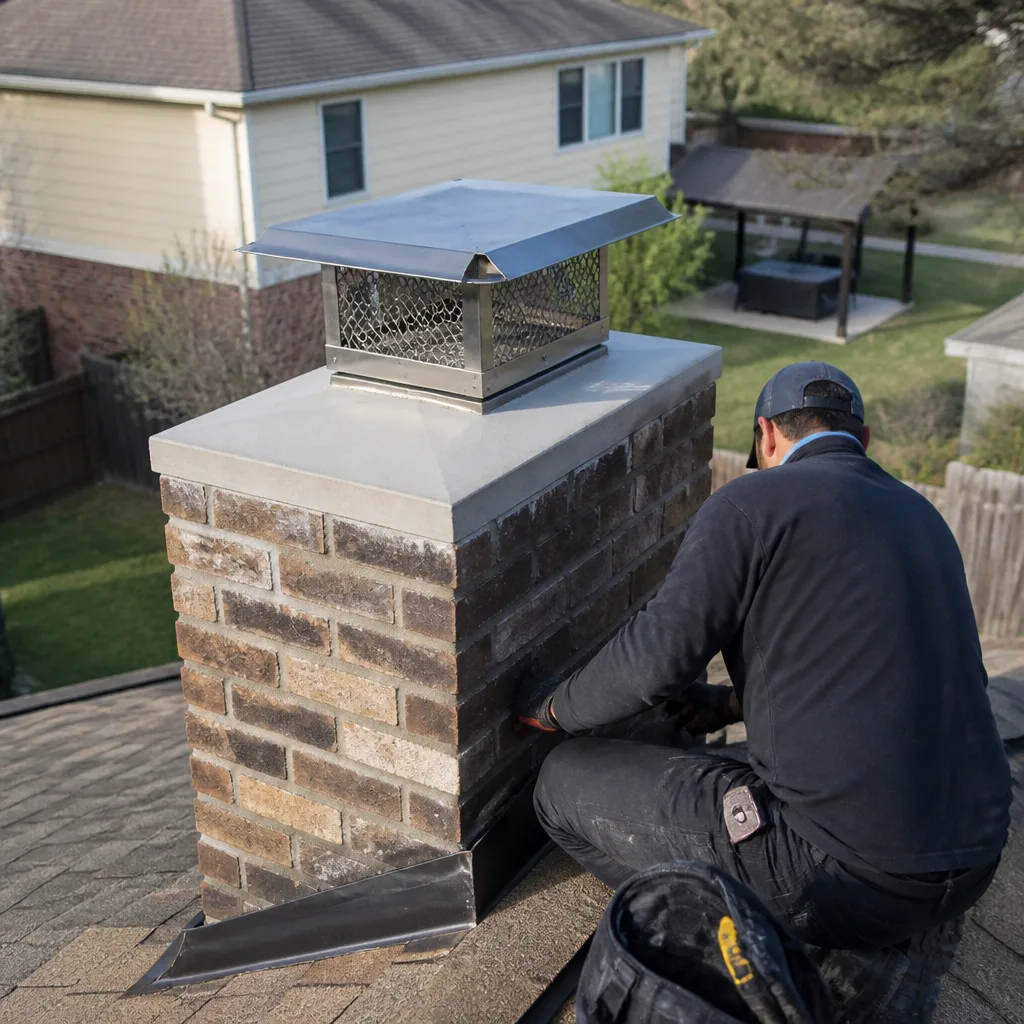
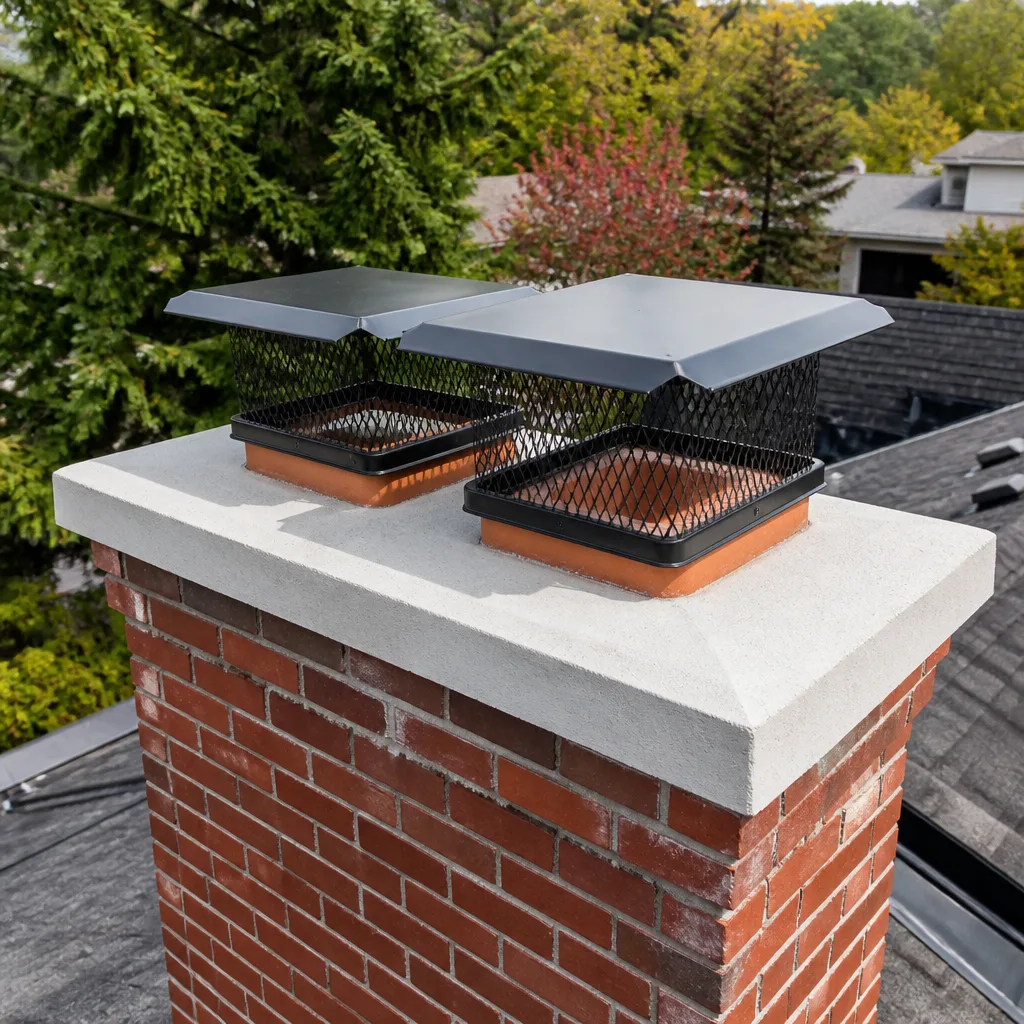 Caps & crowns
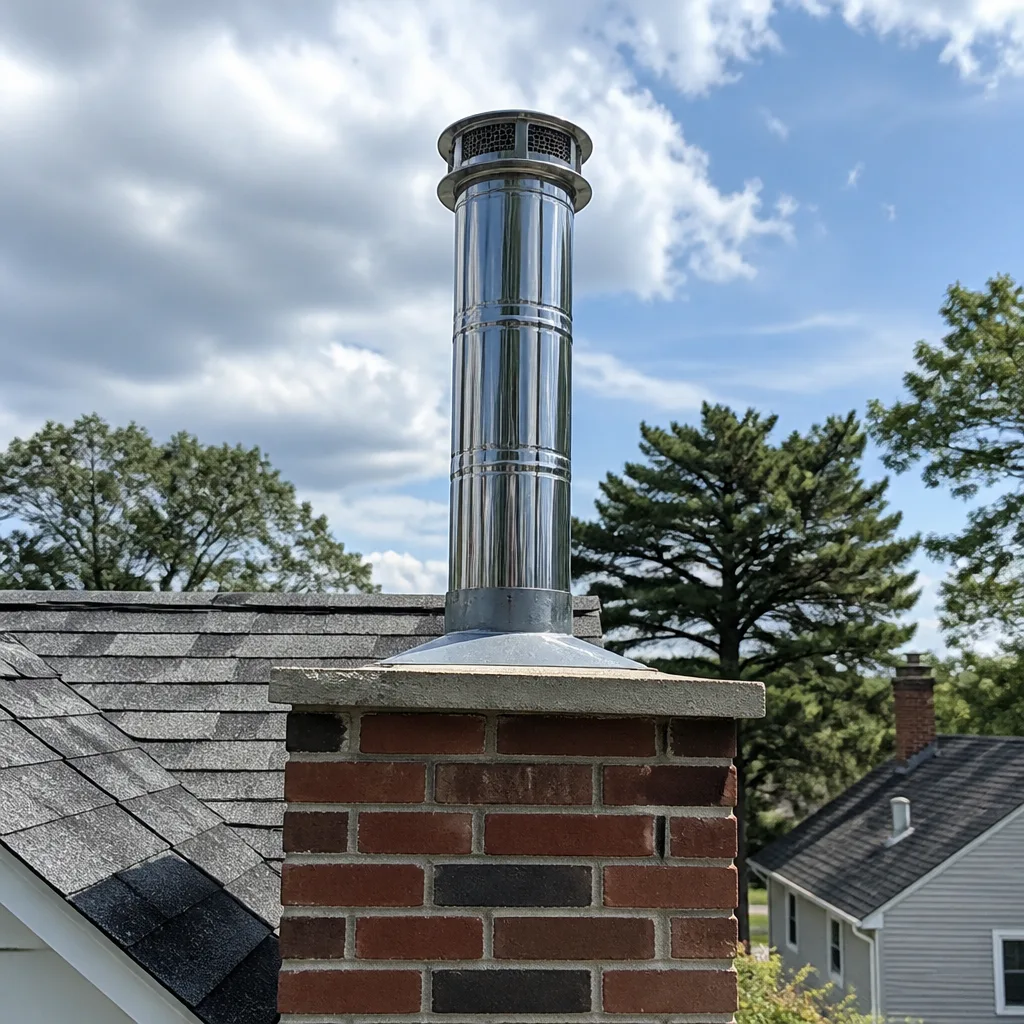 Flue relining
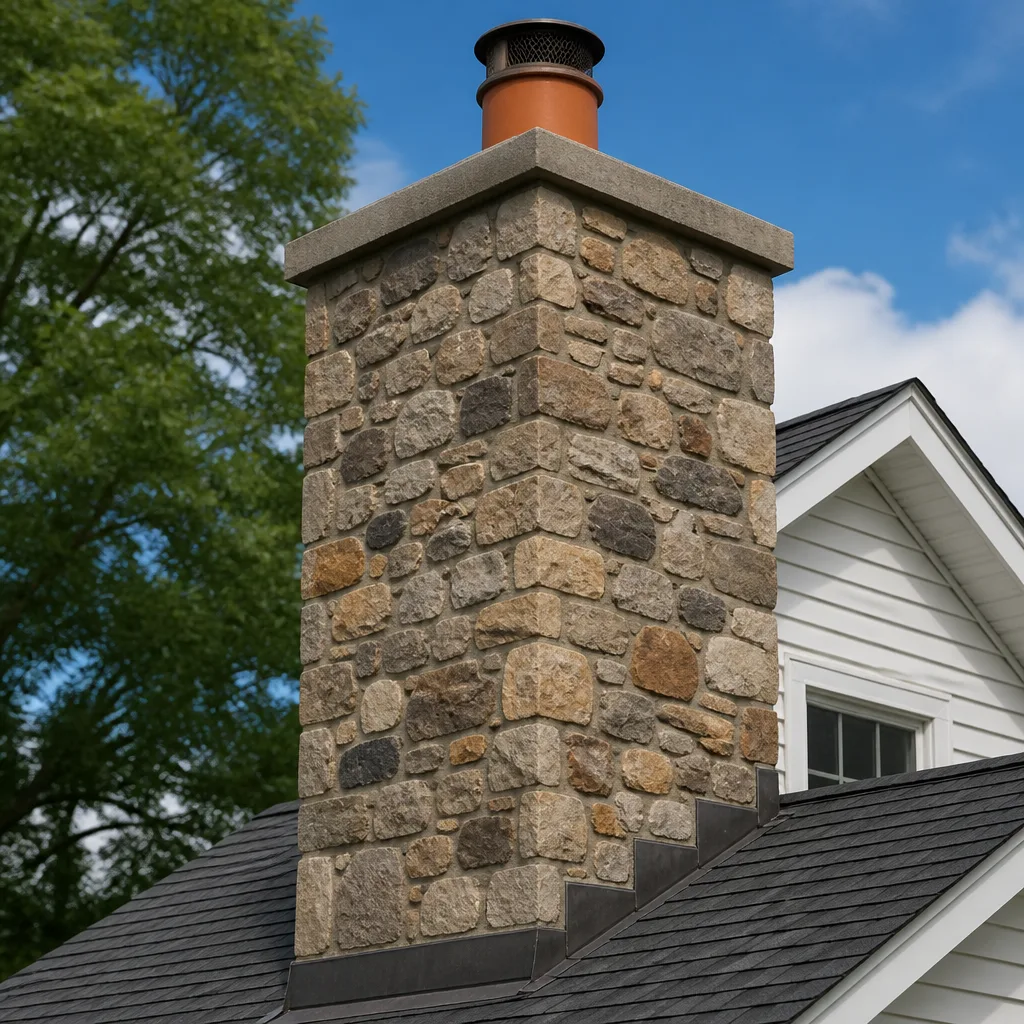 Masonry repair
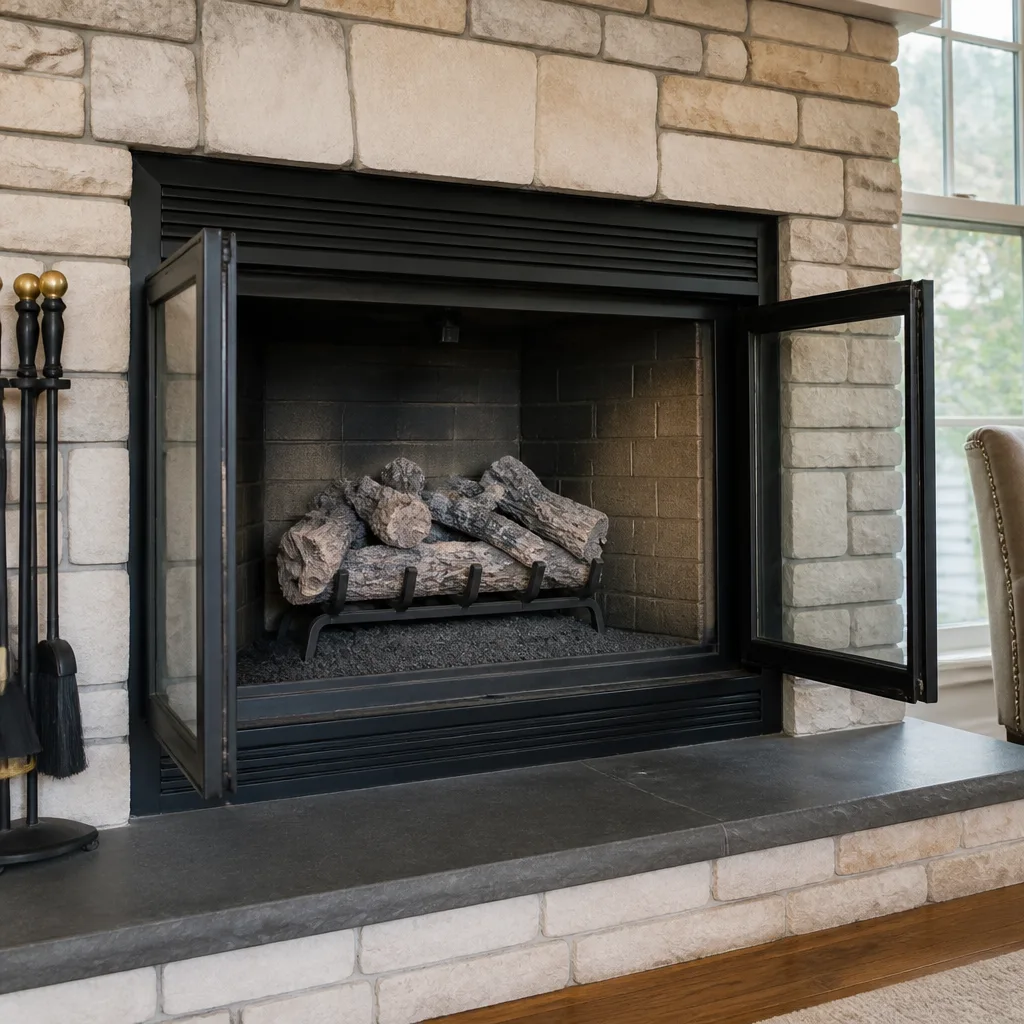 Gas fireplace service
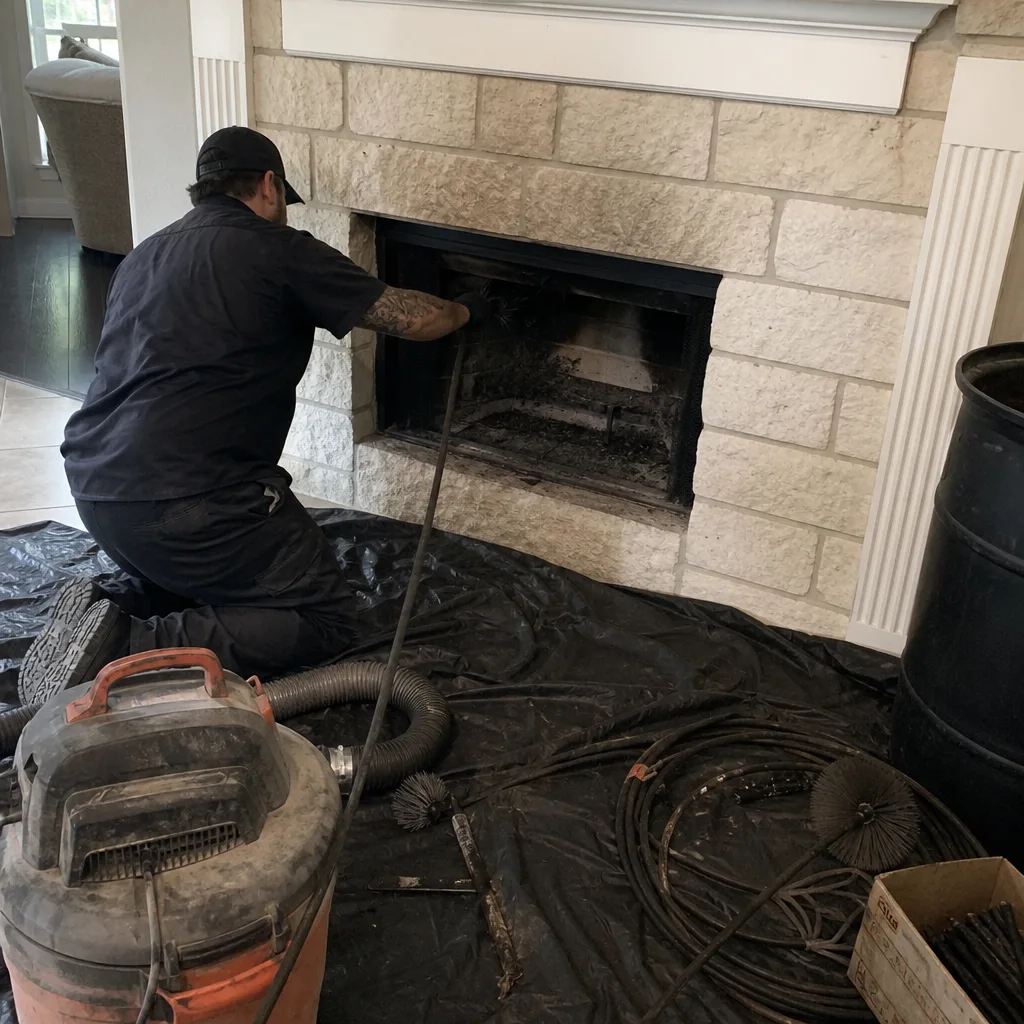
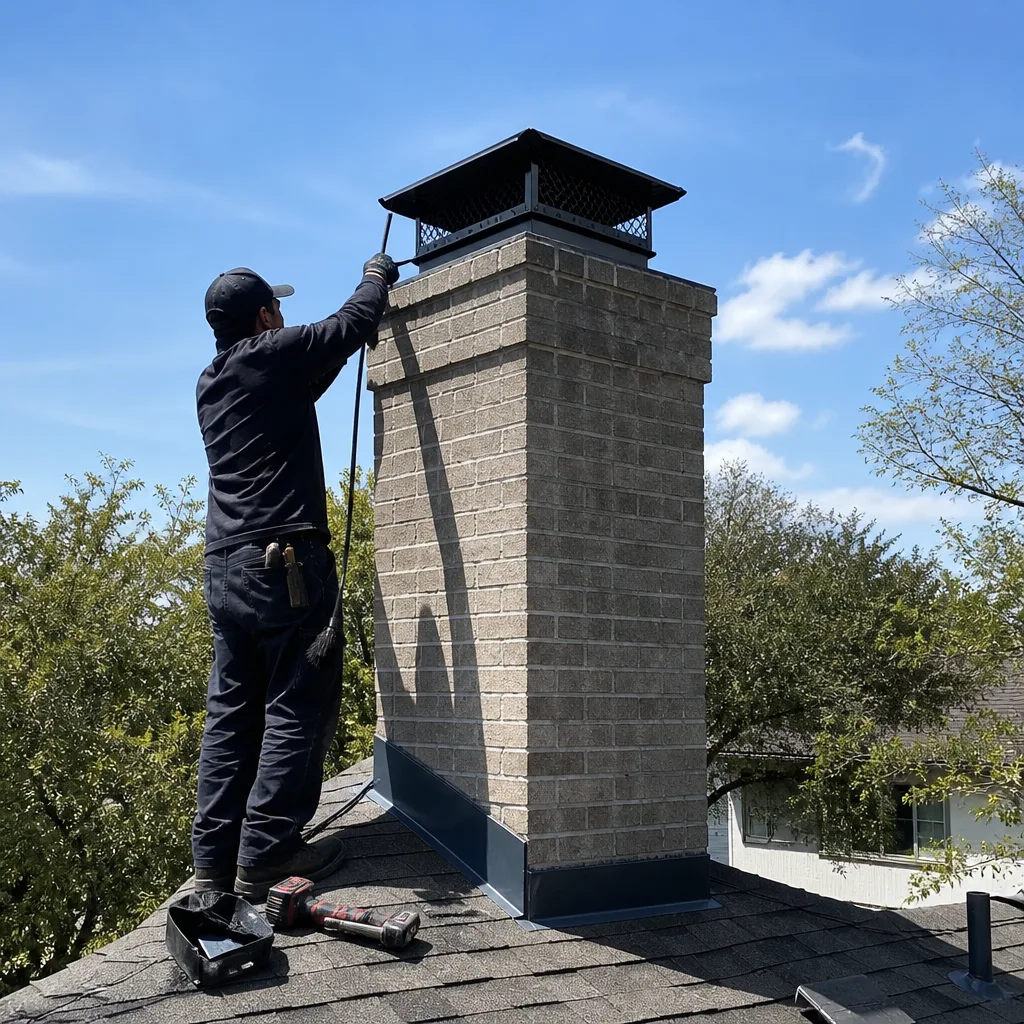
Level 1 sweep and inspection to the NFPA 211 annual standard - flue, crown, cap, and flashing checked and photographed
Chimney sweep logs do not sweep chimneys. They loosen some creosote - which then falls where a brush and vacuum still have to collect it.
Seasonal Chimney Cleaning Care for Fort Worth: Year-Round Homeowner’s Guide
Fort Worth averages 228 sunny days a year. That sounds like a selling point, and for patios it is. For chimneys, it means something else entirely: long stretches where the flue sits sealed and unventilated, baking in North Texas heat while humidity works its way into the masonry. The result is that chimneys in Fort Worth deteriorate on a different schedule than chimneys in Minnesota or Ohio. The old northern playbook says clean once before winter and you’re done. That playbook fails here. This guide lays out what a Fort Worth chimney actually needs, season by season, month by month, and what you can check yourself versus what needs a trained eye.
Quick Answer
Seasonal chimney care in Fort Worth means four distinct tasks across four seasons: spring inspections for animal entry, summer monitoring for heat-driven masonry movement, an October sweep before the first burn, and winter checks after every ice event. A standard chimney sweep in Fort Worth typically runs $200 to $350-see our Chimney Cleaning Cost Breakdown: The Fort Worth Homeowner’s Reference for 2026 for full pricing details-and the single most important date on your calendar is the first week of October. Waiting until Thanksgiving usually means a three-week backlog.
Styles & brands we work with
Table of Contents
- Why Fort Worth’s Climate Breaks the Standard Chimney Playbook
- Summer: The Season Everyone Ignores, and Shouldn’t
- Fall: The October Sweep Window and Why It Matters
- Winter: Ice Events, Crowns, and Caps in North Texas
- Spring: Post-Season Inspection and Nesting Season
- Month-by-Month Owner Task List That Costs Nothing
- Common Mistakes to Avoid
- When to Call a Professional
- Frequently Asked Questions
Why Fort Worth’s Climate Breaks the Standard Chimney Playbook
Most chimney advice online is written for cold climates with long burn seasons. Fort Worth is not that place. We get maybe 40 to 60 burn nights a year, scattered across four months. That means the chimney spends most of its life sitting idle, and idle chimneys fail in ways active ones don’t.
The biggest factor is the temperature swing. A 50-degree change across a single week is normal here from October through April. Masonry expands when it’s warm and contracts when it’s cold. Brick and mortar expand and contract at different rates than the clay flue tiles inside them. Over years, that differential movement opens hairline cracks that let water in. Then the real damage starts: water freezes during an ice event, expands, and widens those cracks into gaps. Repeat that cycle a few dozen times and you have spalling brick, a cracked crown, and a flue that no longer vents the way it should.
We also have humidity that northern climates don’t deal with. Summer humidity in Fort Worth routinely sits above 60 percent. That moisture gets absorbed into masonry and, combined with heat, accelerates the breakdown of mortar joints. Homeowners in Arlington Heights and Ryan Place see this as white, chalky deposits on brick faces by August. It’s called efflorescence, and it’s a signal that water is moving through the masonry in ways it shouldn’t.
The good news: a disciplined seasonal routine catches these problems before they become four-figure repairs. The bad news: most Fort Worth homeowners don’t have one, because nobody ever laid out what that routine should look like here specifically. That’s what the rest of this guide does.
Summer: The Season Everyone Ignores, and Shouldn’t
Nobody thinks about chimneys in July. That’s exactly why July matters. The summer months are when heat and humidity do their slow, invisible work on a structure that isn’t being used and isn’t being inspected.
What Heat Does to a Fort Worth Chimney
A chimney in direct Texas sun can reach surface temperatures of 140 degrees or more. The exterior brick expands. The interior flue, shielded from direct sun, stays cooler. The mortar joints between the bricks are the weakest point in that system, and they’re the first to show stress cracks. We see this every year in neighborhoods like Wedgwood and Tanglewood: fine vertical cracking along mortar lines that wasn’t there in April. By itself it’s not an emergency, but it’s an entry point for water.
What Humidity Does
Fort Worth summer air carries enough moisture to saturate masonry over a period of weeks. When that moisture reaches the clay flue tiles, it accelerates a process called spalling, where the tile surface begins to flake away in thin layers. A flue tile that’s spalling is losing structural integrity, and if it’s bad enough, pieces can fall and block the flue. That’s a carbon monoxide risk when burn season starts.
What You Can Check in August Without a Ladder
- Look for efflorescence: white, chalky deposits on the chimney’s exterior brick. It’s water-soluble salt being pushed to the surface. It means moisture is inside the masonry.
- Check the mortar joints: stand back 20 feet and look for any line that appears lighter, darker, or recessed compared to its neighbors. A cracked joint in August becomes a gap by February.
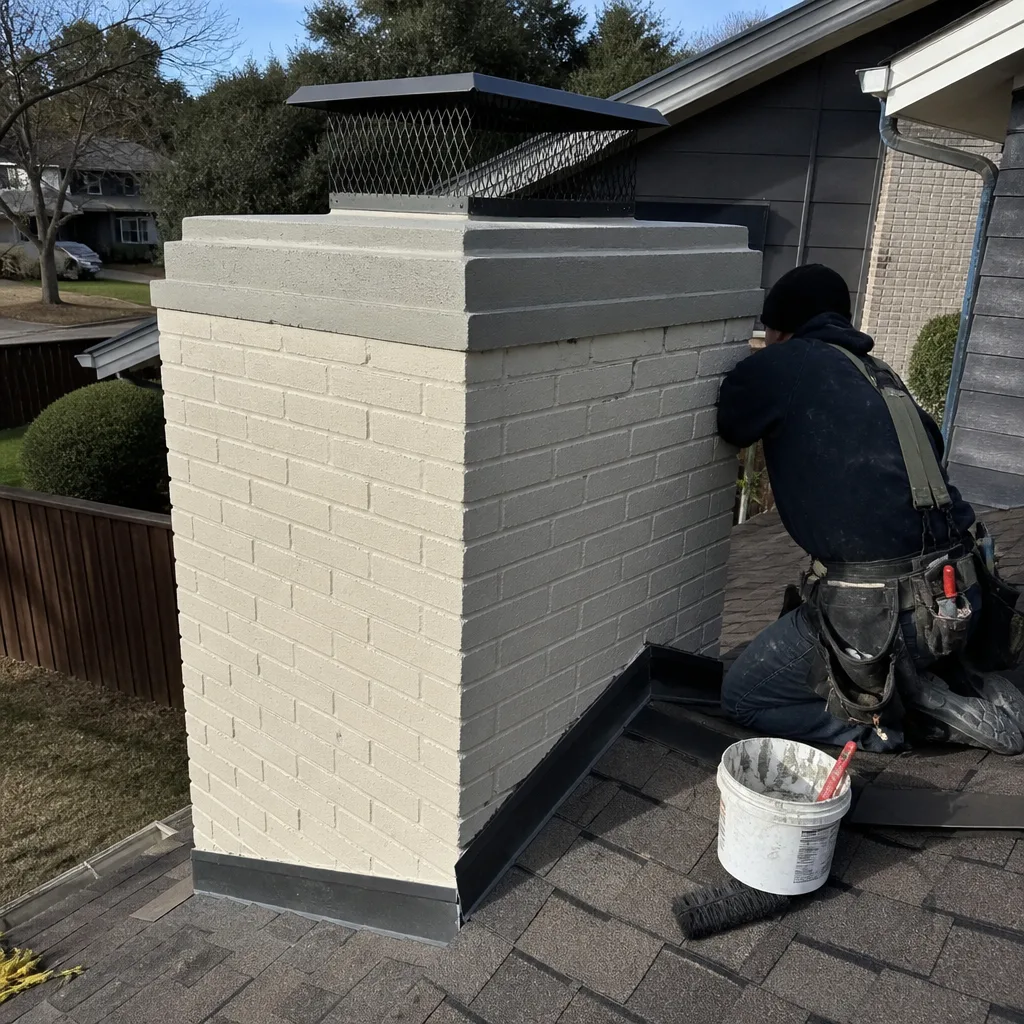
- Look at the crown: if you can see it from ground level or a second-story window, check for pooling water or visible cracks. The crown is the concrete slab that caps the chimney, and it’s the single most common failure point in Fort Worth chimneys.
- Note any musty smell when you walk past the fireplace: warm air in the flue will draw that smell down into the room if there’s creosote residue from last season. That’s your cue to book a sweep before October.
None of this takes more than ten minutes. It’s worth doing in early August, because that gives you time to schedule a Chimney Sweep in Fort Worth before the fall rush rather than during it.
Fall: The October Sweep Window and Why It Matters
The most important chimney decision you make all year is when you book your fall sweep. The answer for Fort Worth is simple: the first two weeks of October. Here’s the direct reason: the first real cold snap in North Texas usually arrives between late October and mid-November. When it does, every homeowner in Tarrant County tries to schedule a chimney sweep in the same week. The result is a three-week backlog, every year, without fail.
Why Sweep Before the First Burn, Not After
Creosote is the residue left behind when wood smoke cools and condenses inside the flue. It’s flammable. If you had a normal burn season last year and never swept, you have a layer of creosote sitting in your flue right now, all through the summer. The first fire of the season is the highest-risk fire for a chimney fire, because you’re igniting a flue that hasn’t been checked in months and may have accumulated debris during the off-season: leaves, animal nesting material, even dead birds. Sweeping before that first fire eliminates the fuel source and confirms the flue is clear.
What a Standard Sweep in Fort Worth Should Include and Cost
A standard chimney sweep in Fort Worth typically runs $200 to $350 depending on the height of the chimney, the condition of the flue, and whether it’s been maintained or neglected. That price should include:
- Removal of creosote and soot from the flue walls
- Cleaning of the smoke chamber and firebox
- A visual check of the flue for cracks, blockages, or liner damage
- Inspection of the cap and crown for damage
- Cleanup with drop cloths and a vacuum rated for fine particulates
If a company quotes below $150 for a full sweep in Fort Worth, ask what’s being left out. Usually it’s the smoke chamber, which is where the majority of creosote hides in homes that haven’t been maintained.
The October Timing Also Has a Practical Advantage
Book in early October and you’re getting a technician who hasn’t been running six calls a day for a month. You’re getting your choice of appointment times. And if the sweep uncovers a problem, a cracked flue tile or a rusted cap, you have weeks to address it before the nights get genuinely cold. Our Chimney Inspection in Fort Worth page covers what a full inspection includes, but a good sweep should always include a basic visual check.
Winter: Ice Events, Crowns, and Caps in North Texas
Fort Worth doesn’t get a Chicago winter. What we get, occasionally, is worse for chimneys: an ice event. Ice storms like the one in February 2021 are not annual occurrences, but when they hit, they do a specific kind of damage to chimneys that a long, steady freeze doesn’t do.
How Ice Damages a Chimney Differently Here
In a prolonged-freeze climate, the freeze-thaw cycle is slow and predictable. Water seeps into a crack, freezes, expands, and widens the crack over weeks. In North Texas, an ice event coats the chimney in a layer of ice that then thaws rapidly when the temperature swings back up above freezing. That rapid thaw cycle puts different stress on a chimney crown: ice forms on the surface, then melts and refreezes inside micro-cracks multiple times in a single day. A crown that was sound in November can show visible cracking after a single bad ice storm.
What to Check After Every Ice Event
- Look for fallen pieces of mortar or brick on the roof edge or at the base of the chimney. Fast thawing causes rapid expansion and contraction, and failing joints shed material.
- Check the cap. Ice accumulation can bend or crack a standard cap. A bent cap lets rain in directly, which accelerates every other problem.
- Look at the crown from across the street. You’re checking for any fresh crack pattern. If you see one, call a Chimney Repair in Fort Worth professional before water has a chance to work deeper.
- Light a small test fire and watch the draw. If smoke fills the room instead of pulling up the flue, you likely have a partial blockage: ice-damaged liner, dislodged debris, or an animal that moved in during the storm.
What You Don’t Need to Worry About
A well-maintained chimney with a sound crown and cap handles a North Texas ice event fine. The failures we see after storms like Uri are almost always in chimneys that already had hairline cracking that water had been exploiting for years. The ice event doesn’t create the problem. It reveals it. That’s why the summer and fall checks matter: they get you to the ice event with a structurally sound chimney, which is the only kind that survives one without damage.
Spring: Post-Season Inspection and Nesting Season
March in Fort Worth is when chimney swifts and squirrels start looking for nesting sites, and an uncapped flue is an open invitation. We regularly open dampers in late March and find the beginnings of a nest that wasn’t there at the last burn in February. That’s a fire hazard for next season and a blockage risk now.
The March Nesting Window
Chimney swifts, the small birds that famously roost in chimneys, arrive in North Texas in mid-March and stay through the summer. They’re federally protected, which means once they’ve established a nest, it’s illegal to remove it until the young have fledged. The solution isn’t to fight with the birds. It’s to have a properly installed cap with the right mesh size before they arrive. If your chimney doesn’t have a cap, or the cap is damaged, the time to address it is February or early March, not after you’ve heard chirping from the flue.
What a Post-Season Check Should Cover
- The damper operation: open and close it fully a few times. A damper that sticks in spring is one that will fail when you need it closed in December to keep heat from escaping.
- Creosote level: if you burned a full season, you likely have a new layer. Note it. Spring sweeping is actually ideal from a logistics standpoint: it’s the slow season, you get faster appointments, and the creosote doesn’t sit in your flue all summer absorbing humidity.
- The smoke chamber: visible from inside the firebox with a flashlight. Look for black, shiny deposits. Shiny creosote is the most volatile form and the fastest to ignite.
- The exterior masonry after winter: compare what you see now to what you noted in August. Any new cracking or efflorescence that appeared over winter should be evaluated.
Spring is also the smart time to schedule repairs you’ve been thinking about. Wait until fall and you’re competing with every other homeowner in Fort Worth for the same repair slots. Do it in April and May, and the work is done by a crew that isn’t racing the first cold snap. The Chimney Sweep in Fort Worth calendar is fully open in spring, which means you get the appointment time you want, not the one you’re stuck with.
Month-by-Month Owner Task List That Costs Nothing
This list is separated into two tiers. The first tier is a ten-minute monthly check you can do yourself. The second tier is professional work to schedule at the right time. None of the owner checks require tools beyond a flashlight and your eyes, and none require getting on a ladder.
Tier 1: Owner Checks (Under 10 Minutes, No Tools)
- January: After the first hard temperature swing, check for new cracks in the crown from ground level. Note any water stains on interior walls near the chimney.
- February: Inspect the cap if visible. Look for rust, bent metal, or missing mesh. This is the last month to address cap issues before nesting season starts.
- March: Listen for animal activity in the flue. Check the firebox for nesting debris. If you hear anything, do not light a fire.
- April: Run the damper open and closed five times. It should move smoothly with consistent resistance. Schedule any needed repair work now while the schedule is open.
- May: Check for new efflorescence on the exterior brick after spring rains. Photograph it so you can compare later in the year.
- June: Open the damper briefly and shine a flashlight up the flue. Look for anything that wasn’t there in January: nests, debris, unusual staining.
- July: On a hot day, note any odor coming from the fireplace. A musty or smoky smell in July means there’s creosote residue interacting with humidity.
- August: Do the full ten-minute summer check described above: efflorescence, mortar joints, crown, odor.
- September: Book your October sweep. Do this now. If you’re reading this in October, call today, because the backlog is already forming.
- October: Sweep month. Get the flue cleaned and the visual check done before the first burn.
- November: First burn. Watch the draw for five minutes. Smoke should pull cleanly up the flue. If it rolls back into the room, stop and call a professional.
- December: After heavy use around the holidays, check the firebox for excessive ash buildup. Keep ash below the grate level.
Tier 2: Professional Work at the Right Time
- October: Annual sweep with visual flue check.
- March or April: Post-season inspection if you burned more than 20 fires, or if you noticed any performance issues during the season.
- Any month following an ice event: Crown and cap inspection.
- Any month you see efflorescence or cracking that wasn’t there before: Water damage evaluation. The longer water moves through masonry, the more expensive the fix.
Common Mistakes to Avoid
- Assuming no fires means no maintenance needed. An unused chimney still takes on water, still attracts animals, and still deteriorates from heat and humidity. The flue that hasn’t been swept in five years because “we never use it” is often in worse shape than one that’s swept annually.
- Waiting for the first cold snap to book a sweep. In Fort Worth, that means you’re calling the same week as thousands of other homeowners. You’ll wait three weeks, and you’ll probably burn before the sweep happens. That’s the risk profile you want to avoid.
- Skipping the cap because it’s an extra cost. A cap replacement typically runs $150 to $400 installed depending on material. The animals and water a missing cap lets in will cost far more than that to remediate. It’s the cheapest insurance in the chimney trade.
- Ignoring efflorescence because it’s “just cosmetic.” Efflorescence is evidence of water moving through masonry. Water in masonry eventually becomes a structural failure. The white deposit is the early warning, not the problem itself.
- Burning softwoods like pine as the primary wood. Pine is fine occasionally, but it produces more creosote than hardwoods like oak and hickory. In a North Texas climate where humidity accelerates creosote degradation into a more volatile state, wood choice matters more than most homeowners realize.
- Doing chimney “repairs” from YouTube videos. Chimney work involves height, masonry physics, and flue dynamics. A homeowner who seals the crown with the wrong compound creates a moisture trap that accelerates the exact failure they were trying to prevent. High-tension components and masonry sealing are not DIY territory.
When to Call a Professional
Call a chimney professional when any of these Chimney Cleaning Warning Signs: A Fort Worth Homeowner’s Reference Guide conditions are present: visible cracking in the crown that appeared or worsened within a season, water stains on interior ceilings or walls near the chimney, animal sounds or nesting material in the flue, smoke that rolls back into the room instead of drafting up, shiny black creosote deposits visible in the smoke chamber, or any crack or gap in the flue liner. These are not conditions that fix themselves, and the progression from a $300 repair to a $3,000 repair is often a single season.
Flint Chimney Co Fort Worth offers free estimates in Fort Worth, and every job gets a written price before any work starts. Call (682) 255-2144 and a live person answers, any hour, any day.
Frequently Asked Questions
A standard chimney sweep in Fort Worth typically costs between $200 and $350 depending on chimney height, flue condition, and how long it’s been since the last cleaning. That price should include cleaning of the flue, smoke chamber, and firebox, plus a visual inspection. Call (682) 255-2144 for an exact quote, every quote is written and free.
Yes, although you may be able to go longer between sweeps than a heavy user. The issue isn’t just creosote volume, it’s what happens during the months the chimney sits unused: animals move in, humidity interacts with existing creosote, and unseen blockages form. A sweep every one to two years, even for light users, is the minimum for safe operation.
Annual sweeping before the burn season is the standard recommendation, and in Fort Worth the practical anchor point is October. If you burn fewer than 10 fires a season and you have a capped, well-maintained flue, every other year may be sufficient. If you burn primarily softwood like pine, annual is the safer schedule.
Skipping the sweep means burning season starts with a flue containing whatever accumulated during the off-season: creosote, animal nesting, leaves, and debris. The first fire then becomes the highest-risk event for a chimney fire. Even without a fire, unchecked creosote absorbs humidity through the summer and becomes more corrosive to the flue liner. The cost of the sweep is always less than the cost of the thing the sweep prevents.
Look for efflorescence on exterior brick, water stains on interior walls or ceilings near the chimney, a musty smell from the firebox, or rust on the damper and cap. Any one of these is sufficient reason to have the chimney inspected. Neither a missing cap nor a cracked crown will resolve on its own, and both are the primary water entry points we see in Fort Worth homes.
You can remove ash from the firebox and check the damper yourself. But a proper sweep requires brushes sized to your flue, rod systems, and the know-how to read the residue being removed. It’s also a dirty, physically demanding job on a ladder or roof. The dangerous part isn’t the brush, it’s the height and the roof access. For the cost of a sweep, the training and equipment a professional brings is the better value. Call (682) 255-2144 and you’ll get a written price before any work begins.
A cap with correctly sized mesh is the difference between a flue that stays clear and one that hosts a family of squirrels or a chimney swift nest by April. Chimney swifts are federally protected once nesting, which means a chimney without a cap can become legally unavailable for the entire summer. The cap is a $150 to $400 fix. Animal removal and nest remediation is more, and the frustration of having a chimney you can’t safely use all winter is not calculable in dollars. We install Famco and Copperfield caps, both of which are professional-grade products with proper mesh sizing.
Fort Worth follows the International Residential Code for chimney construction and repair, which requires that chimneys be maintained in a safe, functional condition-learn more in our guide to Chimney Cleaning Permits, Codes & Inspections in TX: What You Need to Know. There is no city-mandated sweeping schedule. The burden is on the homeowner to keep the system safe, and in practice that means an annual sweep and inspection, a sound cap, and prompt repair of any crown or masonry damage.
The Bottom Line
Fort Worth’s climate breaks the one-sweep-a-year advice that works up north. What works here is a four-season routine: a summer check for heat-and-humidity damage, an October sweep before the first cold snap, a winter check after every ice event, and a spring inspection timed before nesting season starts. The owner checks cost nothing and take ten minutes a month, and you can find more guides & resources on our blog. The professional visits cost $200 to $350 for a standard sweep, and they’re the difference between a chimney that lasts decades and one that fails spectacularly during the first hard freeze. The discipline is the point. The schedule is above. What’s on you is executing it.
Book your October sweep now by calling (682) 255-2144, and a live person will answer. Every job gets a written price before any work begins, and every repair carries a one-year written guarantee.
Written by Hank Delano, Owner at Flint Chimney Co Fort Worth, serving Fort Worth since 2002.
See the difference
 Before
 After
After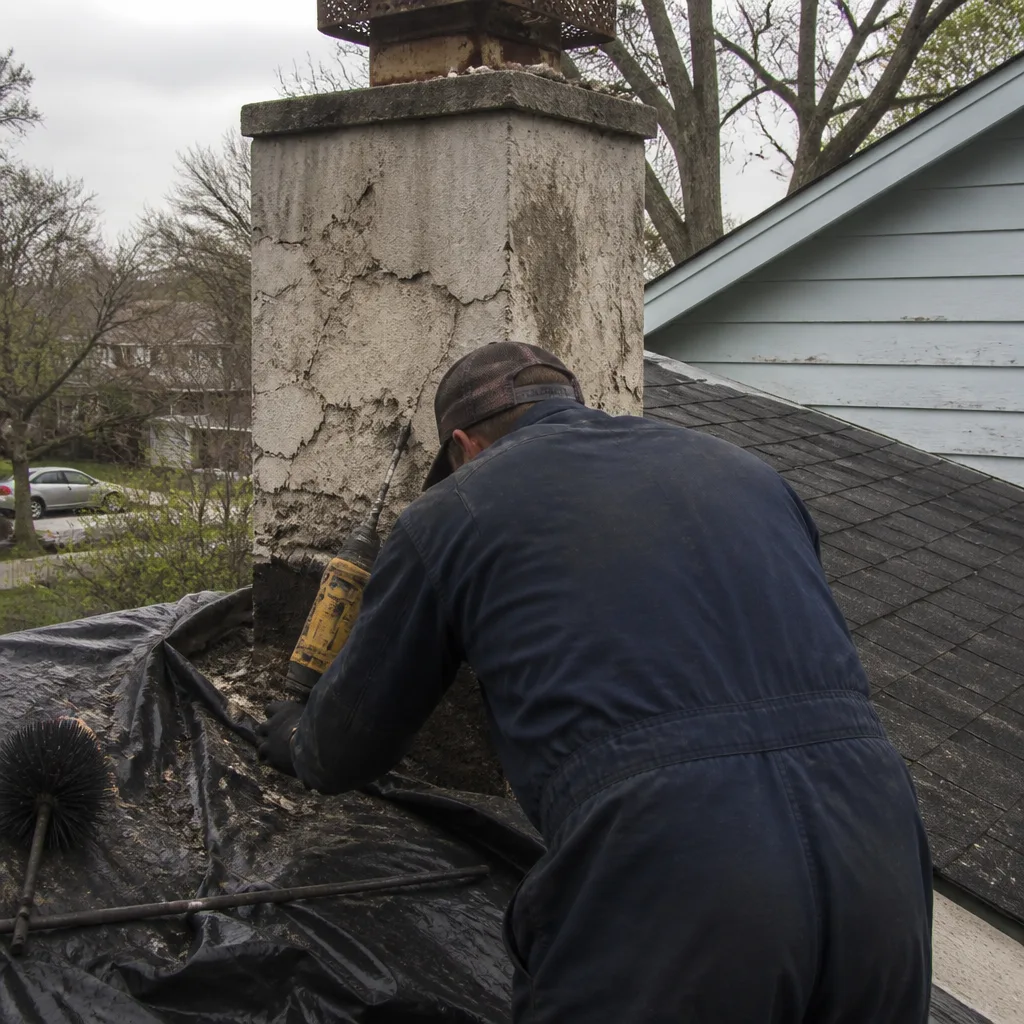 Before
 After
After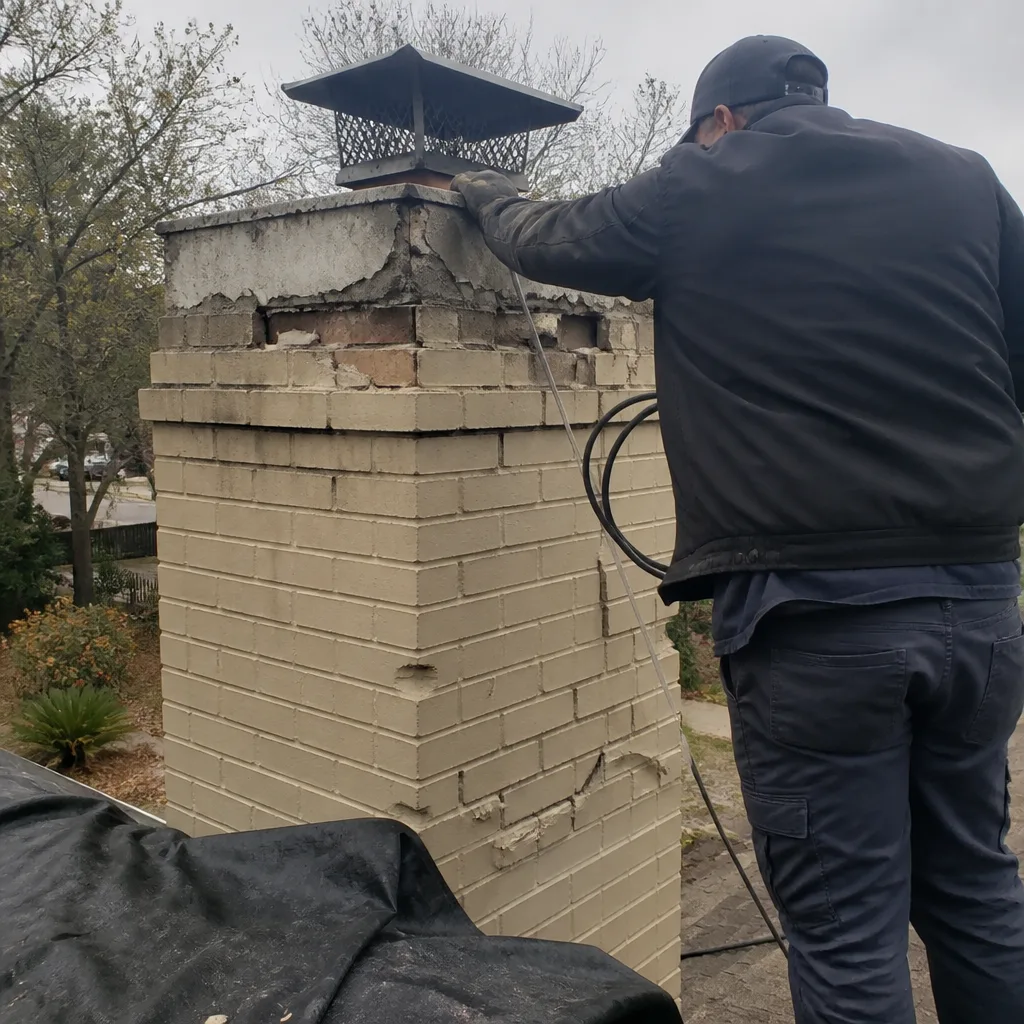 Before
 After
After