

Last updated October 15, 2026
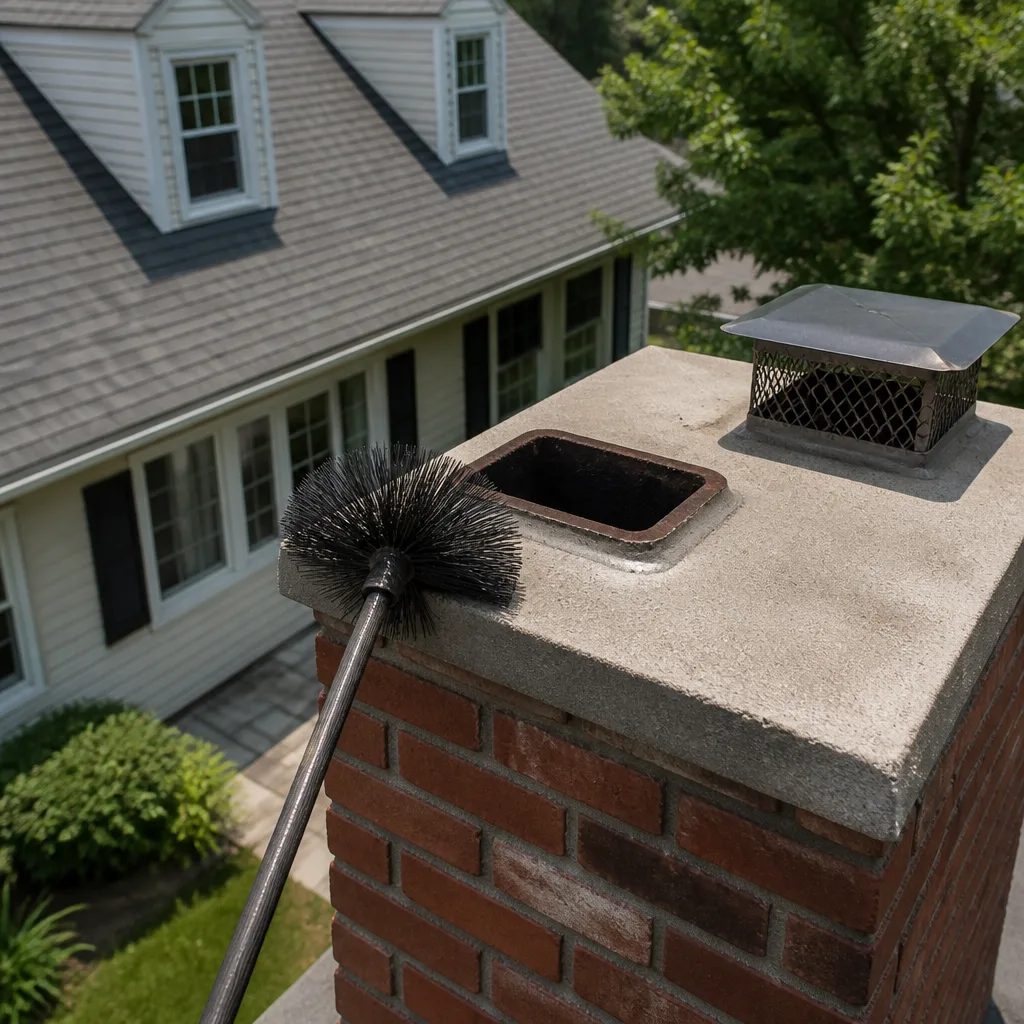 Sweep & inspection
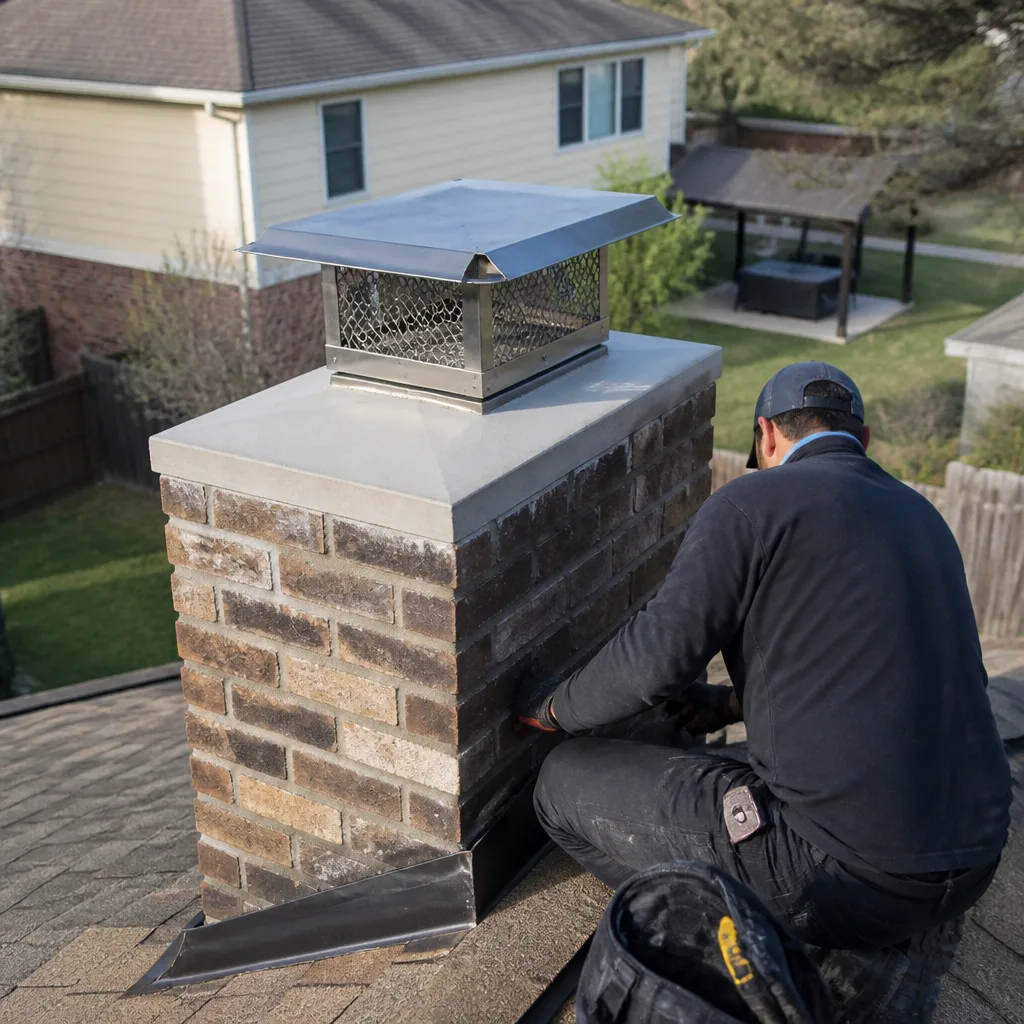
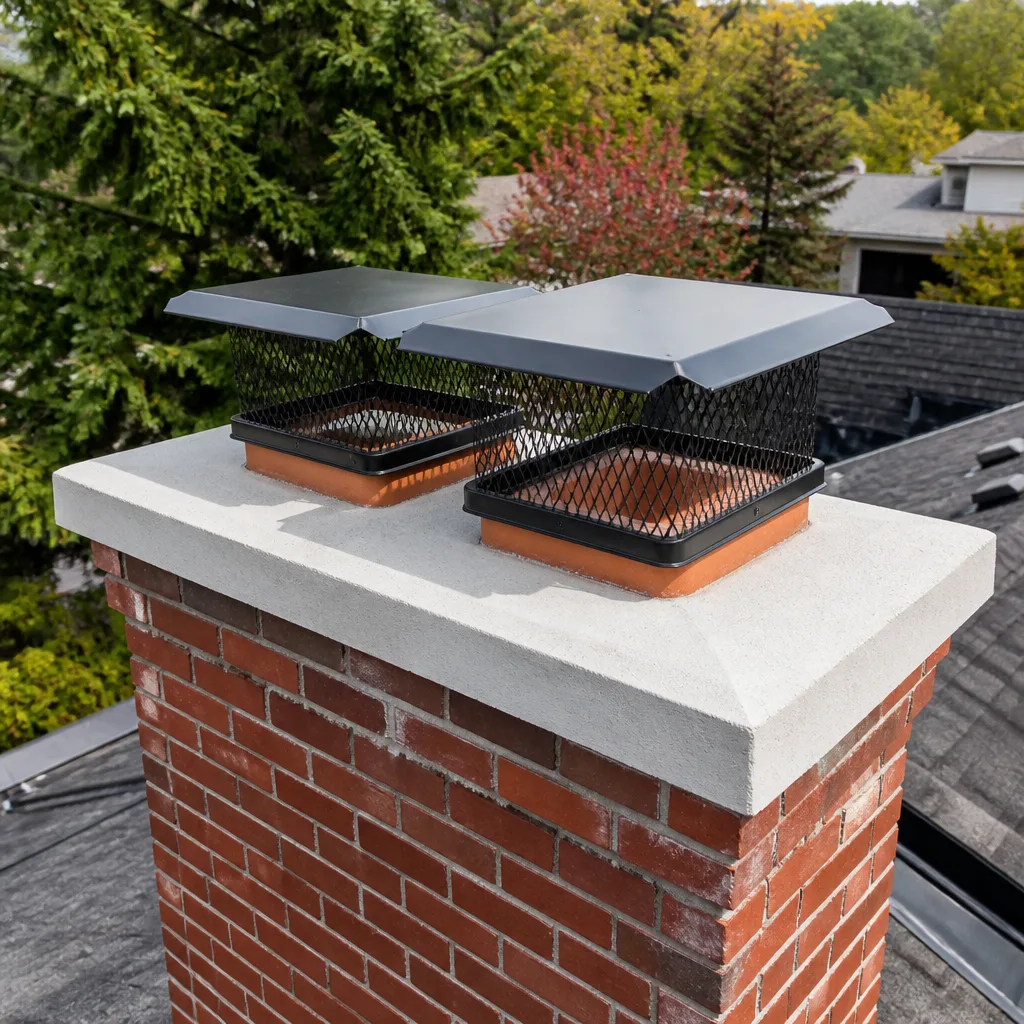 Caps & crowns
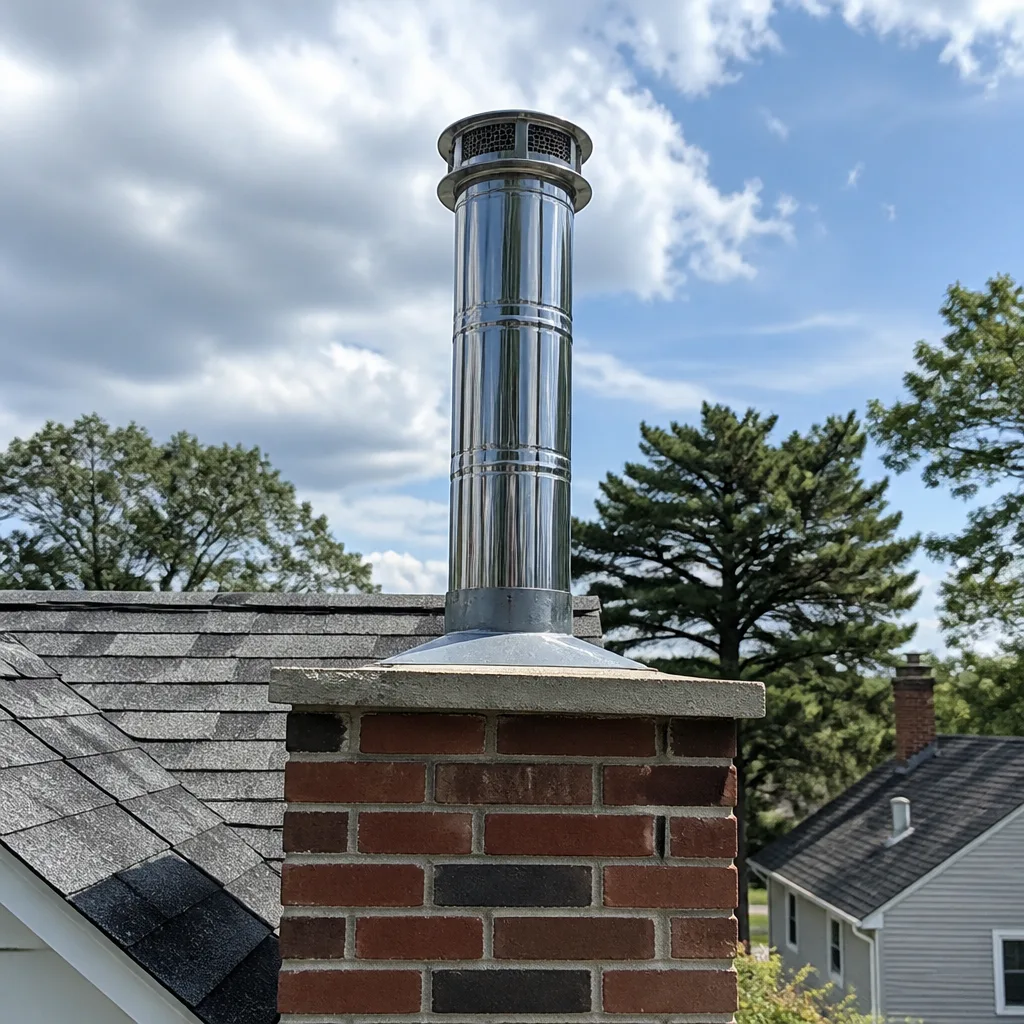 Flue relining
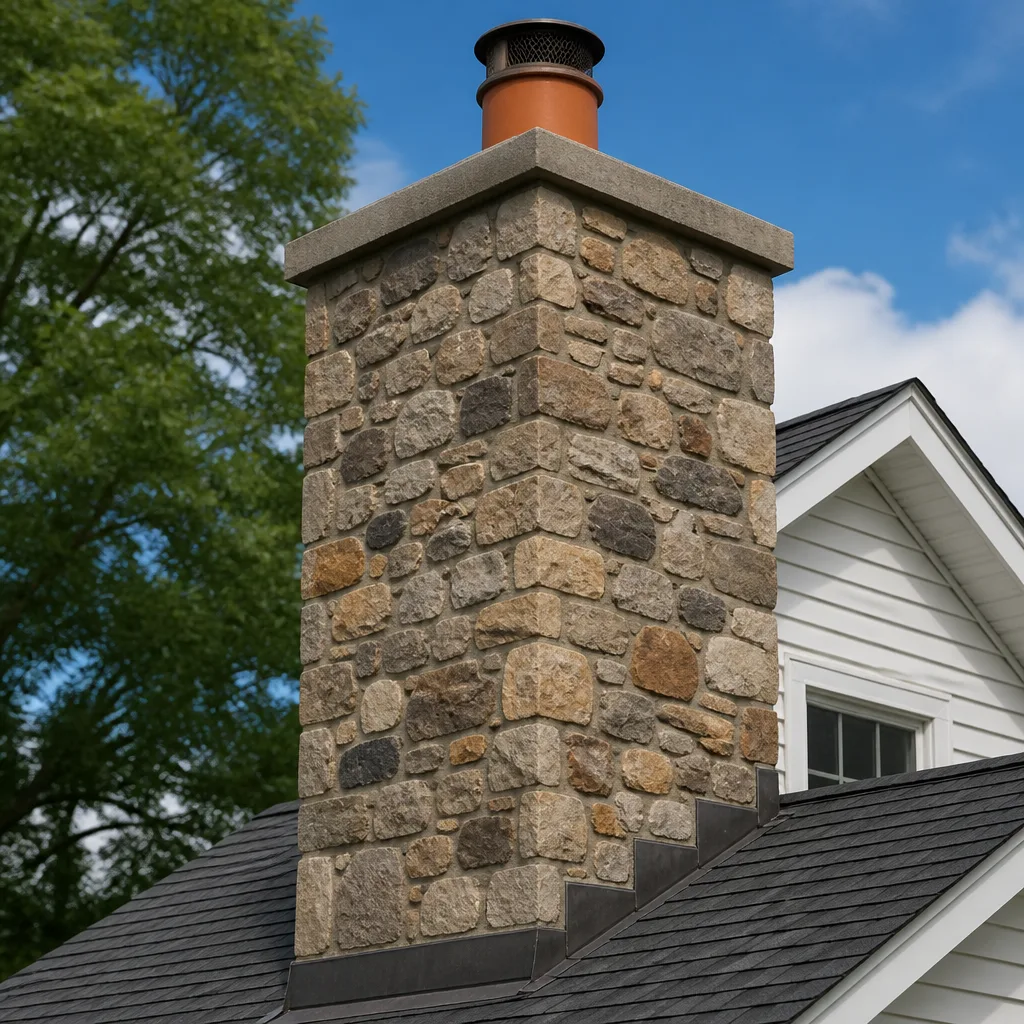 Masonry repair
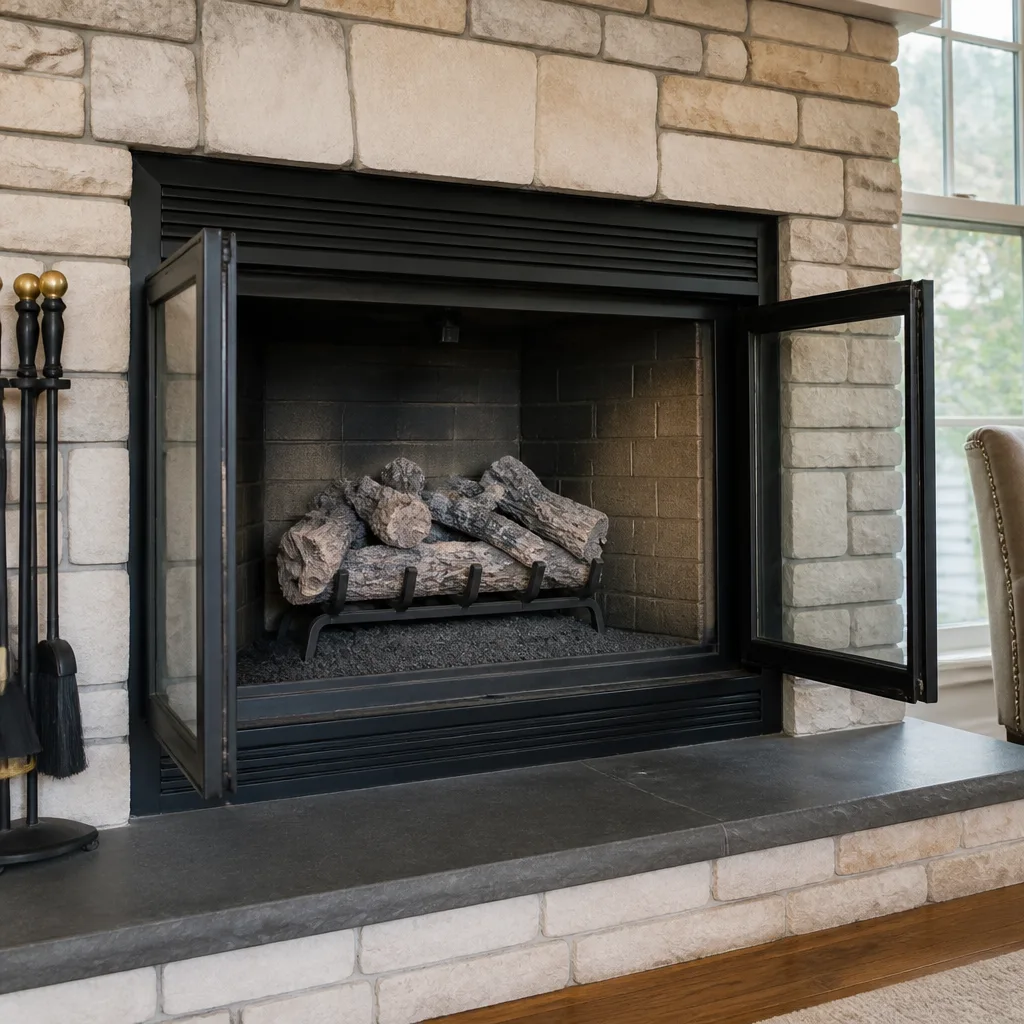 Gas fireplace service
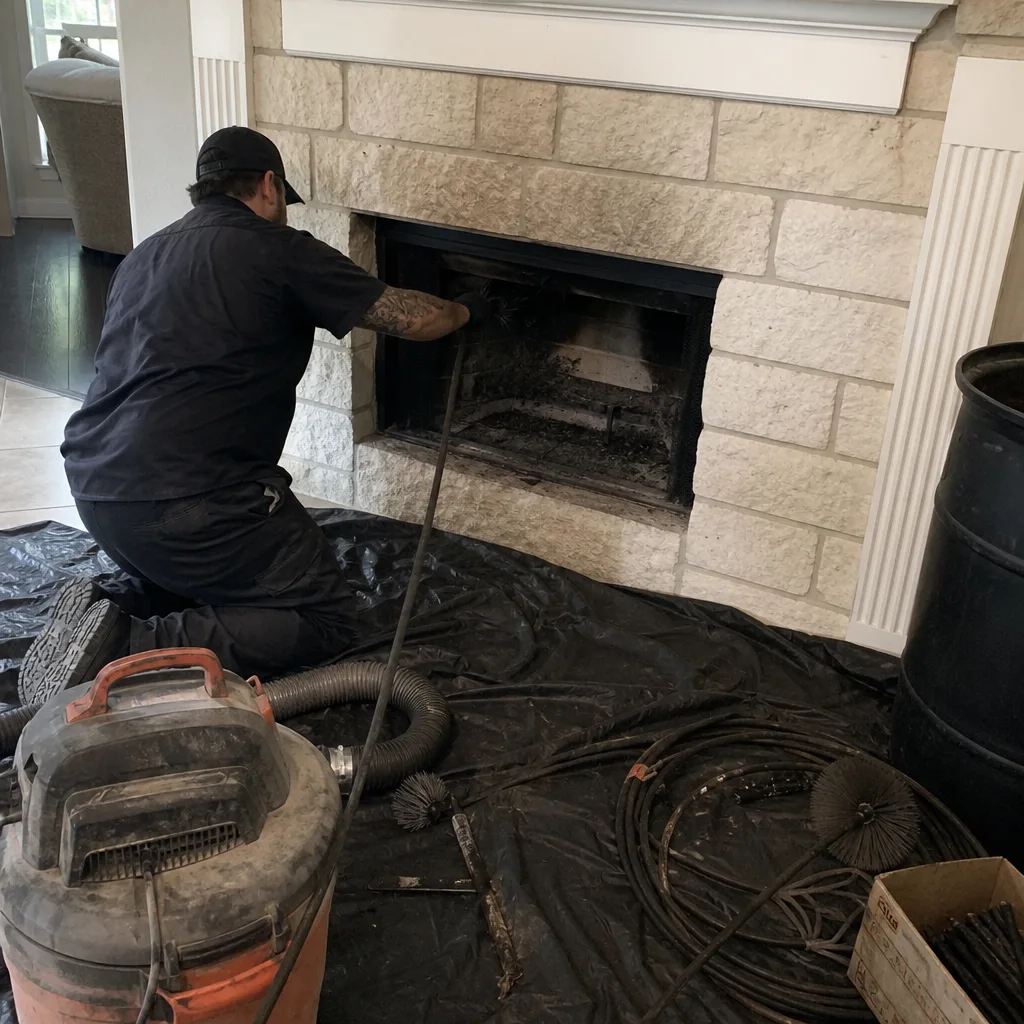
Level 1 sweep and inspection to the NFPA 211 annual standard - flue, crown, cap, and flashing checked and photographed
Chimney sweep logs do not sweep chimneys. They loosen some creosote - which then falls where a brush and vacuum still have to collect it.
Chimney Cleaning Warning Signs: A Fort Worth Homeowner’s Reference Guide
Most Fort Worth homeowners only think about their chimney twice a year: when they light the first fire in October and when something goes wrong. That’s a problem, because the warning signs a chimney gives you are rarely loud. They’re quiet things: a gray smudge above the firebox, a musty smell after a rainstorm, a damper that fights back when you try to close it. This guide explains what each warning sign actually means, what’s most likely causing it, and what the worst case could be if you ignore it. By the time you finish reading, you’ll know which signs are routine maintenance items and which ones mean the fireplace should not be used until a professional has looked at it.
Quick Answer
The most common chimney warning signs in Fort Worth homes are: a strong tar-like smell near the fireplace (Stage 2 creosote buildup), white staining on exterior brick (efflorescence, meaning water is moving through the masonry), smoke rolling into the room instead of up the flue, and a damper that no longer opens or closes smoothly. Any one of these warrants a professional chimney inspection. A standard chimney sweep in Fort Worth typically addresses the creosote and debris issues, while water damage and damper problems fall under chimney repair in Fort Worth.
Styles & brands we work with
Table of Contents
- Urgency Ranking: The Eight Warning Signs from Bad to Worse
- The Tar Smell: What Stage 2 Creosote Smells Like and Why It Matters
- White Stains on the Exterior Brick: Why Efflorescence Is Not Cosmetic
- Smoke Rollout: When Smoke Comes Back Into the Room
- The Damper That Won’t Close: The Most Ignored Warning Sign
- Why Warning Signs Appear in October and After Thunderstorms
- How to Document a Warning Sign Before You Call
- What Actually Happens When a Warning Sign Is Ignored
- Common Mistakes to Avoid
- When to Call a Professional
- Frequently Asked Questions
Urgency Ranking: The Eight Warning Signs from Bad to Worse
Not every chimney problem demands an emergency call. Some issues can wait a few weeks. Others mean the fireplace needs to go cold until a trained eye has verified what’s going on. Here’s how we rank the eight most common warning signs we see in Fort Worth chimneys, from the least urgent to the most serious. This ranking is based on what we’ve observed across thousands of inspections in the metro area since 2002, and it matches the approach we’ve built into our chimney inspection in Fort Worth service.
1. Rust spots on the rain cap or damper assembly. Most likely cause: thin or failing metal exposed to years of weather. Worst case: the damper is rusting through, which means it may not seal when closed. Schedule within a month.
2. A musty or damp smell that gets stronger after rain. Most likely cause: missing or cracked chimney cap letting water into the flue. Worst case: the flue liner is saturated and the moisture is moving into surrounding masonry. Schedule within a few weeks.
3. White staining on the exterior brick, particularly near the top of the chimney. Most likely cause: water entering through a failed crown or cracked mortar joints and moving through the masonry. Worst case: the same water is reaching the flue liner and causing it to crack. Schedule a chimney inspection within two to three weeks.
4. Crumbling mortar or flaking brick in the firebox. Most likely cause: years of heat cycling have loosened the refractory mortar. Worst case: a cracked firebox wall can allow heat to reach combustible framing behind it. Schedule within two weeks.
5. A damper that’s difficult to open or close, or that won’t seat fully. Most likely cause: rust on the damper hardware or creosote buildup on the damper track. Worst case: the damper warped from heat and won’t seal, letting air and odors move into the house year-round. Schedule within two weeks.
6. A strong tar or asphalt-like smell near the fireplace, even when it’s not burning. Most likely cause: Stage 2 creosote, which is a dense, tarry form of creosote known for its sharp chemical smell. Worst case: Stage 2 creosote is the form most heavily associated with chimney fires. Schedule a sweep within one to two weeks.
7. Smoke rolling into the room instead of drawing up the flue. Most likely cause: a cold chimney, a blocked flue, or a damper that isn’t open far enough. Worst case: a partial flue blockage that’s forcing combustion gases back into your living space. Stop using the fireplace and schedule an inspection immediately.
8. Thin black streaks spanning the outdoor bricks above the chimney cap, or visible cracking across the crown. Most likely cause: a previous chimney fire you may never have known about. Worst case: the flue liner is cracked and the fireplace is unsafe to use. Do not use the fireplace until inspected. Call immediately.
Those last two are the ones we take most seriously when a homeowner describes them over the phone. Our phones are answered by a live person around the clock, and if you’re describing smoke rollout or black streaks on the crown, we’ll tell you plainly: do not burn again until we’ve looked.
The Tar Smell: What Stage 2 Creosote Smells Like and Why It Matters
Every fire produces creosote. It’s the byproduct of incomplete combustion, and it condenses on the cool walls of the flue as the smoke rises. What most Fort Worth homeowners don’t realize is that creosote has stages, and the smell changes at each stage. Stage 1 creosote is loose, dusty, and grayish-brown. It doesn’t have much of an odor. Stage 2 creosote is different. It’s shiny, dense, and sticky, and it produces that sharp tar smell you notice when you kneel near the fireplace or walk past the hearth on a humid day. If you’re catching a whiff that reminds you of asphalt or hot roofing tar, that’s Stage 2.
The reason that matters isn’t just the smell. Stage 2 creosote is the form most closely associated with chimney fires. It’s difficult to remove with a standard brushing, and it usually requires a trained sweep with professional-grade tools. In our experience, the teams that do a thorough job on Stage 2 buildup are the ones that start with a written price and a clear scope. That’s the way we operate at Flint Chimney Co Fort Worth, and it’s the expectation built into the Garrison Standard that every Garrison Partners location follows.
One thing to be clear about: you can’t judge creosote buildup by looking up from below. The worst Stage 2 deposits form in the upper third of the flue, where the smoke has cooled enough to condense heavily. Only a camera inspection can tell you what’s actually up there. When we perform a chimney inspection in Fort Worth, the camera footage is part of what you’re paying for, and you should expect to see it. Nothing should be recommended to you that you can’t see with your own eyes.
White Stains on the Exterior Brick: Why Efflorescence Is Not Cosmetic
Efflorescence is the technical term for the white, powdery stain that appears on the face of a brick chimney. It looks like mold or a paint splatter, but it’s actually a mineral deposit. Here’s what’s happening: water is entering the masonry somewhere, dissolving the natural salts inside the brick and mortar, and then wicking toward the surface. When the water evaporates, the salts crystallize into that white film. So efflorescence isn’t the problem itself. It’s evidence that water is moving through your chimney, and that’s the same mechanism that cracks flue liners.
In Fort Worth, efflorescence tends to show up in specific patterns. We see it most often on chimneys that face the prevailing storm direction, which in this region means the west and northwest sides of the house. The clay-heavy soils around Tarrant County also hold water against foundation masonry for long periods after heavy rain, and chimneys that sit on the lower side of a sloped lot tend to show efflorescence earlier. If you’re seeing white staining on one side of the chimney only, the water is entering on that side, and the next step is to identify the entry point.
The entry point is usually one of three things: a cracked chimney crown (the concrete cap at the top), failed mortar joints, or a missing rain cap. All three are repairable, but the repair approach varies. A cracked crown needs to be resealed or rebuilt. Failed mortar joints need proper repointing, and that’s not a cosmetic patch job. The mortar used on a chimney has to match the strength of the original brick, and in Fort Worth’s older homes, that’s often a softer lime mortar rather than hard modern cement. Using the wrong mortar can cause the bricks themselves to crack, which is a more expensive problem.
One product we do trust for crown sealing is Gelco, a waterproofing system designed for chimney masonry. It’s one of the professional-grade materials we work with because it performs reliably over a long period of time. But what matters more than the product is the preparation. A crown seal will fail the same way the old crown failed if the surface isn’t cleaned and prepped correctly first. That’s work that should always be quoted in writing, with the exact scope described before any material goes on.
Smoke Rollout: When Smoke Comes Back Into the Room
Smoke rollout is one of the clearest warning signs a fireplace can give you, and it’s also one of the most misunderstood. The common reaction is to open a window or wave a towel at it and assume the wind was just blowing the wrong way. Sometimes that’s true, but smoke rolling into the room means the chimney is failing to draw, and the causes range from trivial to serious. The problem is you can’t tell the trivial cause from the serious one without looking up the flue.
Here are the most likely causes of smoke rollout, ordered from least to most serious:
- Cold chimney effect. In Fort Worth’s October-to-November shoulder season, the air outside is often warmer than the air inside the flue. Cold air sinks, it blocks the draft, and the smoke curls back into the room. The fix is usually priming the flue with a lit roll of newspaper held up near the damper for 30 seconds before lighting the main fire.
- Downdraft from nearby structures or trees. A two-story addition on the house next door, a row of mature live oaks, or the roof pitch itself can create enough turbulence to push smoke back down. The fix is often a taller flue or a properly sized cap designed to redirect wind.
- A partially closed or stuck damper. This one is mechanical, not atmospheric. If the damper won’t open fully, the flue can’t draw enough volume, and smoke spills out.
- Creosote or debris buildup narrowing the flue. This is the one we worry about. If the flue is significantly narrowed by Stage 2 or Stage 3 creosote, or if there’s an actual obstruction like a bird’s nest or a fallen section of liner, the smoke has nowhere to go but back into the room. This is also the scenario where carbon monoxide can enter the living space, since the same blockage that stops smoke also stops the complete venting of combustion gases. Do not burn again until this is cleared.
- A collapsed or failing flue liner. In older Fort Worth homes with original clay tile liners, a cracked or collapsed tile can restrict the flue dramatically. This usually requires relining, which is the process of installing a new inner liner inside the existing flue so smoke channels safely out of the house. We work with DuraFlex and HeatShield for relining projects, and the choice between them comes down to the condition of the existing chimney and the BTU output of the appliance.
If you’ve had smoke rollout more than once in a season, don’t power through it. The next fire might be the one that pushes carbon monoxide into the room in a way you don’t notice until the headache sets in.
The Damper That Won’t Close: The Most Ignored Warning Sign
Of every warning sign on this list, the slow-closing or misaligned damper is the one Fort Worth homeowners most consistently ignore. It’s easy to see why. A damper that’s hard to close doesn’t smell like anything. It doesn’t leave a stain. It just becomes a small annoyance you adapt to over time, like a sticky drawer in a kitchen you stopped noticing two years ago. But the damper is the only thing sealing your living space from the top of the chimney, and when it doesn’t close fully, that’s an open airway between your house and the outdoors 365 days a year.
What does a failed damper actually cost? The math is straightforward. A damper that’s stuck even partially open allows conditioned air to escape through the flue whenever your HVAC system is running. In a Fort Worth summer, that’s eight months out of the year pulling cooled air up and out of the house. In winter, when the furnace runs, the warm air does the same thing. Homeowners we talk to are often surprised at the energy cost alone, without even considering the other problems: the musty smell that comes down the flue after rain, the bugs that find their way in through the gap, and the cold downdraft that makes a room feel drafty even on a still day.
There’s also a safety angle. A damper that’s warped or rusted in a partially open position may look closed when you think you’ve closed it. The first time you notice is when smoke backdrafts in a light wind, which connects this sign directly to the smoke rollout section above. If the damper has been hard to operate for a season or more, add it to the list for your next chimney inspection in Fort Worth.
The repair path depends on what’s wrong. Sometimes the damper assembly is old but still mechanically sound, and the fix is a thorough cleaning and rust removal along the track. More often, on older homes, the damper has warped from years of heat cycling, and the real solution is a top-sealing damper that mounts at the top of the flue instead of inside the throat of the fireplace. Top-sealing dampers from brands like Famco come with a seal that closes like a plug against the inside of the flue, and they solve the energy problem completely. That’s a repair we quote in writing before any work begins, and the written price is the price you approve, not a number that moves when the crew arrives.
Why Warning Signs Appear in October and After Thunderstorms
If you feel like chimney problems in Fort Worth show up on a schedule, you’re not imagining it. There are two seasonal triggers that dominate the calls we take: the first weeks of October, and the days immediately following sustained thunderstorms.
October fires. Most chimneys sit unused from March through September. During those months, several things happen quietly. Creosote that was already present dries out and hardens, which actually makes it easier to remove with a standard sweeping, but it can also flake off the flue walls and collect in the smoke shelf. Any moisture that entered through a small crack in the crown is absorbed into the masonry. Birds nest near the top of the flue. Then, on the first cool weekend of October, the homeowner lights a fire, and every one of those problems announces itself at once: the smell, the smoke, the draft that won’t draw. That’s why our chimney sweep in Fort Worth service sees a predictable spike in early fall, and why we recommend scheduling a sweep and inspection before the first fire of the season, not after.
Thunderstorm season. Fort Worth’s severe weather season runs through the spring, with additional heavy thunderstorms in the fall. A single strong storm won’t hurt a well-built chimney, but repeated driving rain against an older crown can. The repeated wet-dry cycle works like a pry bar inside hairline cracks. Every time water gets in and then dries, the crack widens slightly. After enough cycles, you have a visible crack in the crown or a spalling brick face. Spalling bricks sound hollow when you tap them, because the outer layer has separated from the brick body, and once spalling starts, it progresses. The trigger to watch for is the first heavy rain after a long dry stretch in August or September. That’s when older chimneys in Fort Worth often show their first visible water damage of the season.
How to Document a Warning Sign Before You Call
A warning sign that you can see is information. The question is whether the information you capture is useful to the chimney sweep who has to plan your visit. Most of the photos homeowners send us are too close up, too dark, or taken from an angle that doesn’t show the chimney in context. Here’s a better approach, and it takes about five minutes.
- Take a wide shot first. Stand far enough back that the entire chimney is in frame, from the roofline to the top. This tells the sweep which side of the house the issue is on and what access looks like.
- Take a mid-range shot of the specific area. If it’s a stain, get the whole stain in frame with a few feet of surrounding brick on each side. This shows the pattern and how far down the masonry the staining goes.
- Take one close-up. This is for texture: the flaking brick face, the cracked mortar joint, the black streaking on the crown. Get it in focus and use your phone’s flash if the area is shadowed.
- Note which direction the chimney faces. Not in your head. In the message you send. North-facing, west-facing, it matters for diagnosing water intrusion and draft issues.
- If you can see the inside of the fireplace, take a shot looking up the flue with the damper open. It will almost never show you creosote buildup in a useful way, but it does show the condition of the damper assembly and any obvious debris on the smoke shelf.
When you send photos ahead of time, the technician arrives already oriented to your specific chimney. That’s not a performance. It’s basic preparation, and it means the time on site goes to diagnosis and work, not to figuring out what they’re looking at.
What Actually Happens When a Warning Sign Is Ignored
The honest answer is that it depends on which sign you’re ignoring, and that’s why the urgency ranking at the top of this guide exists. Ignoring a rusted rain cap for a year usually means a bigger rust problem later. Ignoring a chimney fire’s telltale black streaks can mean structural damage that’s already done.
Let’s walk through a real scenario we see in Fort Worth homes, not as a scare tactic but as a plain description of how these things progress. A homeowner notices white efflorescence on the west-facing side of the chimney. They mention it to a neighbor, who says it’s normal for older brick. Two years later, the crown crack that caused the efflorescence has widened under freeze-thaw cycles in the mild but real Fort Worth winters. Water is now entering the flue directly. The clay tile liner, exposed to moisture and then rapidly heated by hot fires, starts to crack. By year three, the homeowner smells something musty and schedules an inspection, and the camera reveals a liner that needs relining rather than the crown seal that would have solved the original problem for a fraction of the cost.
That’s the pattern. Every warning sign in this guide, when ignored, graduates from a maintenance item to a repair item. The damper becomes a warped damper. The crown crack becomes a liner failure. The Stage 1 creosote becomes Stage 2. The mechanism is the same in every case: time and continued use.
Our position on this is straightforward. If you see one of these signs, the right move is to have it evaluated. An inspection gives you a documented baseline, and from there you can decide what’s urgent and what can wait. We don’t recommend work that can safely be deferred, and we document everything on camera so you’re not taking our word for anything. The recommendation either matches what you can see in the footage, or we don’t make it.
Common Mistakes to Avoid
- Painting over efflorescence without addressing the water source. The stain will reappear, and you’ll have added a layer of paint that traps moisture against the brick, which accelerates spalling in Fort Worth’s wet-dry climate cycles.
- Using a standard wire brush to remove Stage 2 creosote yourself. Stage 2 creosote doesn’t brush off. It glazes. Attempting it without professional tools usually polishes the creosote rather than removing it, and it leaves the flue no safer than before.
- Assuming a new house has no chimney problems. Some of the worst build-quality issues we’ve documented in Fort Worth were in homes built within the last ten years, where chimneys were framed and finished by subcontractors who cut corners on crown thickness and mortar mix.
- Burning unseasoned wood to save money. Wet or green wood produces a cool, smoky fire, which creates creosote much faster than a hot, clean-burning fire. The money you save on wood gets spent on more frequent sweeping.
- Closing the damper immediately after the fire is out. Ash and coals continue to release moisture and gases for hours after the visible fire is gone. Trapping those in the flue accelerates creosote formation on the damp, still-warm flue walls.
- Ignoring a smokey fire because it only happens “on windy days.” A chimney that draws well draws on windy days too. If yours doesn’t, the wind is working against an existing restriction, not creating the problem from nothing.
When to Call a Professional
You should call a chimney professional the moment any of the top three signs on the urgency ranking appears: black streaking on the crown, smoke rolling back into the room, or a tar smell near the fireplace even when it’s cold. Those are the ones where continuing to burn is a real risk. For the lower-urgency signs, the right move is to call before the season starts, so the problem is addressed while the chimney is still asleep and the repair window is wide. A standard chimney sweeping that catches Stage 2 creosote early is a predictable half-day job. The same creosote left for two more burning seasons becomes a flue fire waiting for the right conditions. Flint Chimney Co Fort Worth offers free estimates in Fort Worth. Call (682) 255-2144 and a live person will answer, day or night, and get you scheduled with a written price before any work starts.
Frequently Asked Questions
A standard chimney sweep in Fort Worth typically runs between $150 and $300 for a single flue, depending on the level of creosote buildup and whether the chimney has been recently maintained. If the chimney is showing signs of Stage 2 creosote or hasn’t been swept in years, expect the higher end of that range. Flint Chimney Co Fort Worth quotes a written price before any work starts, and the number you approve is the number on the invoice. Call (682) 255-2144 for an exact quote based on your chimney.
You might need a new liner, but you shouldn’t take anyone’s word for it without seeing the evidence. A cracked flue liner is a genuine safety problem that allows heat and gases to reach surrounding masonry and framing, but the only way to see it is with a chimney camera. At Flint Chimney Co Fort Worth, we don’t recommend relining unless the camera footage clearly shows cracking, spalling, or separation in the existing liner, and we review that footage with you before any repair quote is written. If a company recommends a new liner without showing you the camera evidence, get a second opinion.
Most Fort Worth homes should have the chimney swept once per burning season, which in this climate typically means once per year. If you burn frequently, burn softer woods like pine, or have fires more than three times a week during the cooler months, twice a year is safer. The rule we give homeowners is simple: after about one cord of wood, the chimney needs a sweep. If you don’t track your wood usage, scheduling a chimney sweep in Fort Worth every fall before the first fire is the most reliable approach.
Skipping a sweep means creosote builds up in stages, and Stage 2 and Stage 3 creosote are both harder to remove and more dangerous. Stage 3 creosote is a hardened, glossy glaze that can seal the flue walls shut and requires mechanical removal or even chemical treatment. In the worst case, which happens more often than most homeowners assume, the creosote ignites and the chimney fire damages the flue liner, cracks the crown, and leaves you with a repair bill in the thousands instead of a sweep bill in the hundreds. Call (682) 255-2144 if it’s been more than a year and you want to schedule a sweep before the burning season.
Yes, because infrequent use has its own set of problems. Birds, squirrels, and raccoons don’t care how often you use the fireplace. An unused flue is actually more attractive to nesting animals during the spring and summer, and an animal nest is a full flue blockage. In addition, moisture accumulates in an unused chimney because there’s no heat to dry it out, and that moisture accelerates decay in the crown and mortar joints. A single annual inspection catches all of this in one visit.
A proper chimney inspection in Fort Worth includes a visual check of the exterior masonry, crown, and cap, an interior inspection of the firebox and damper assembly, and a camera scan of the full flue length. You should receive a report that documents what was found, with footage included, and any repair recommendations should be supported by what the camera shows. At Flint Chimney Co Fort Worth, the camera footage is part of the inspection, not an add-on, and the inspection report is yours to keep whether or not you hire us for any recommended repairs.
The Bottom Line
Chimney warning signs in Fort Worth are usually quiet, and that’s exactly why they get ignored until the first cold night of October turns a buildup problem into a burning problem. The eight signs ranked in this guide cover the ones we see most often in Tarrant County: tar-smelling creosote, white efflorescence, smoke rollout, failing dampers, rusted caps, spalling brick, and the black streaks that tell you a chimney fire already happened. Each has a most-likely cause and a worst-case cause, and the difference between them determines whether you schedule a sweep next month or stop using the fireplace tonight. If you’ve spotted one of these signs, call (682) 255-2144 for a free estimate and a written price before any work begins.
Written by Hank Delano, Owner at Flint Chimney Co Fort Worth, serving Fort Worth since 2002.
See the difference
 Before
 After
After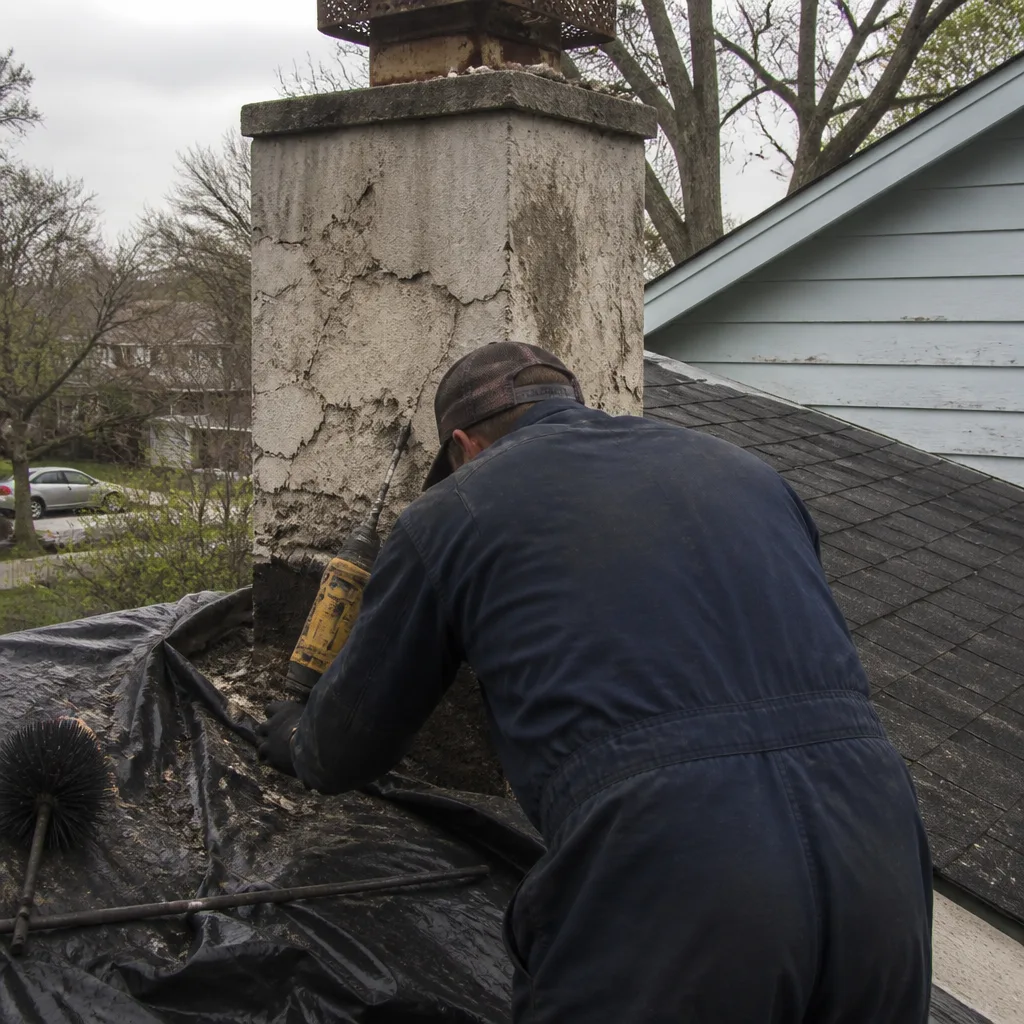 Before
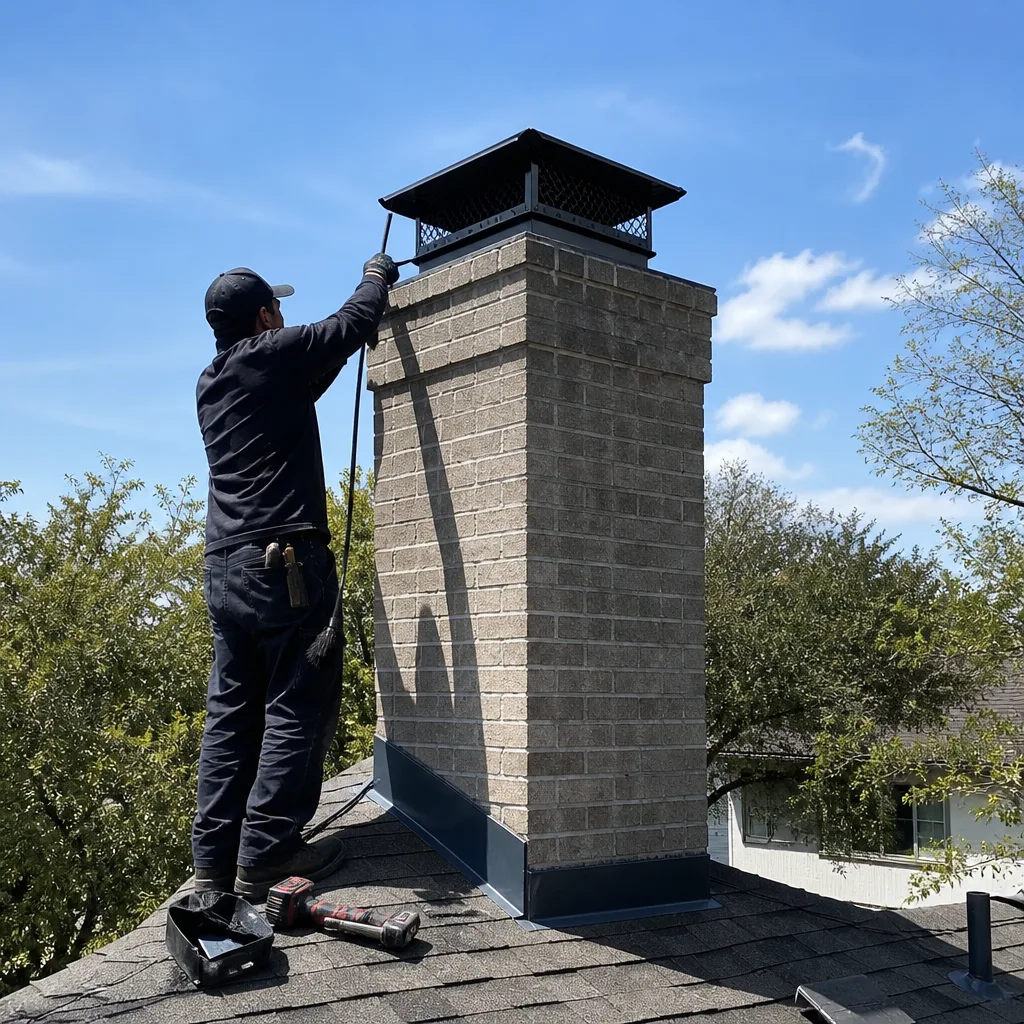 After
After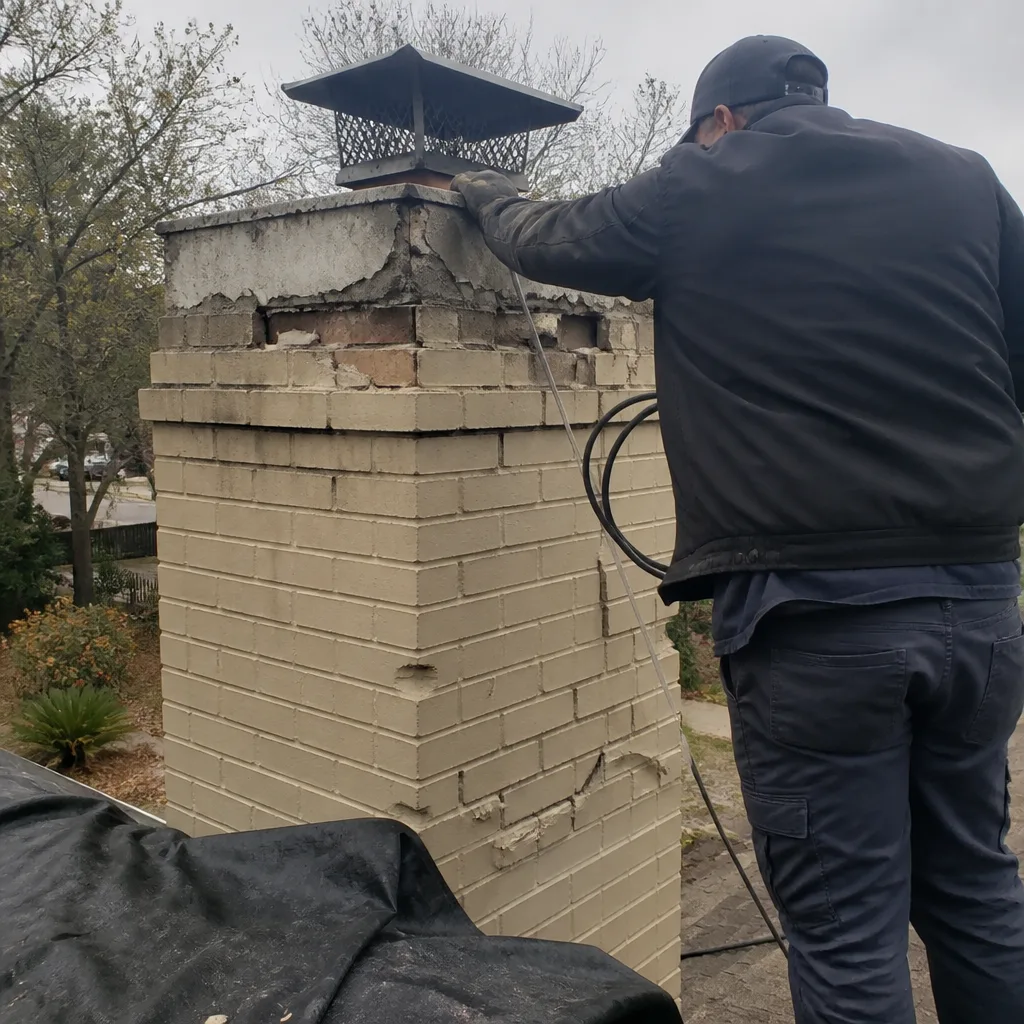 Before
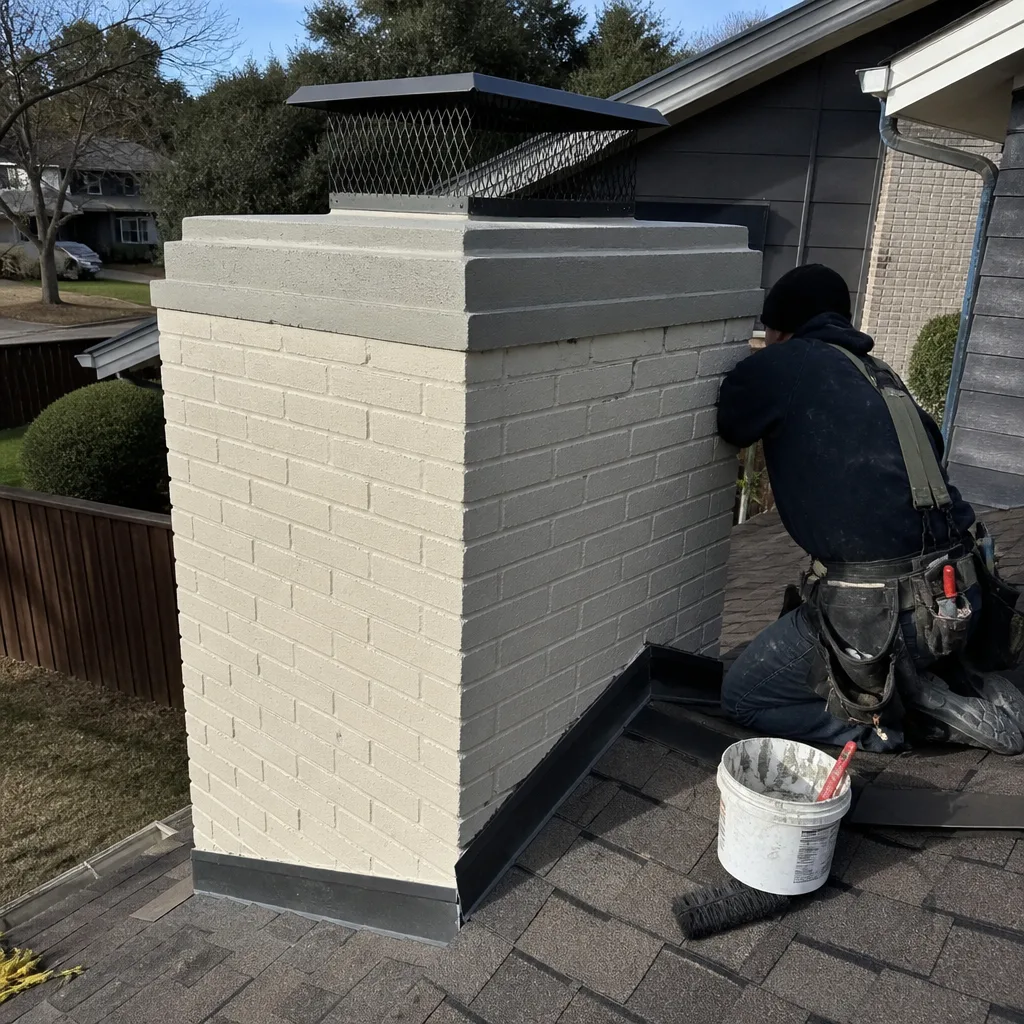 After
After