

Last updated October 15, 2026
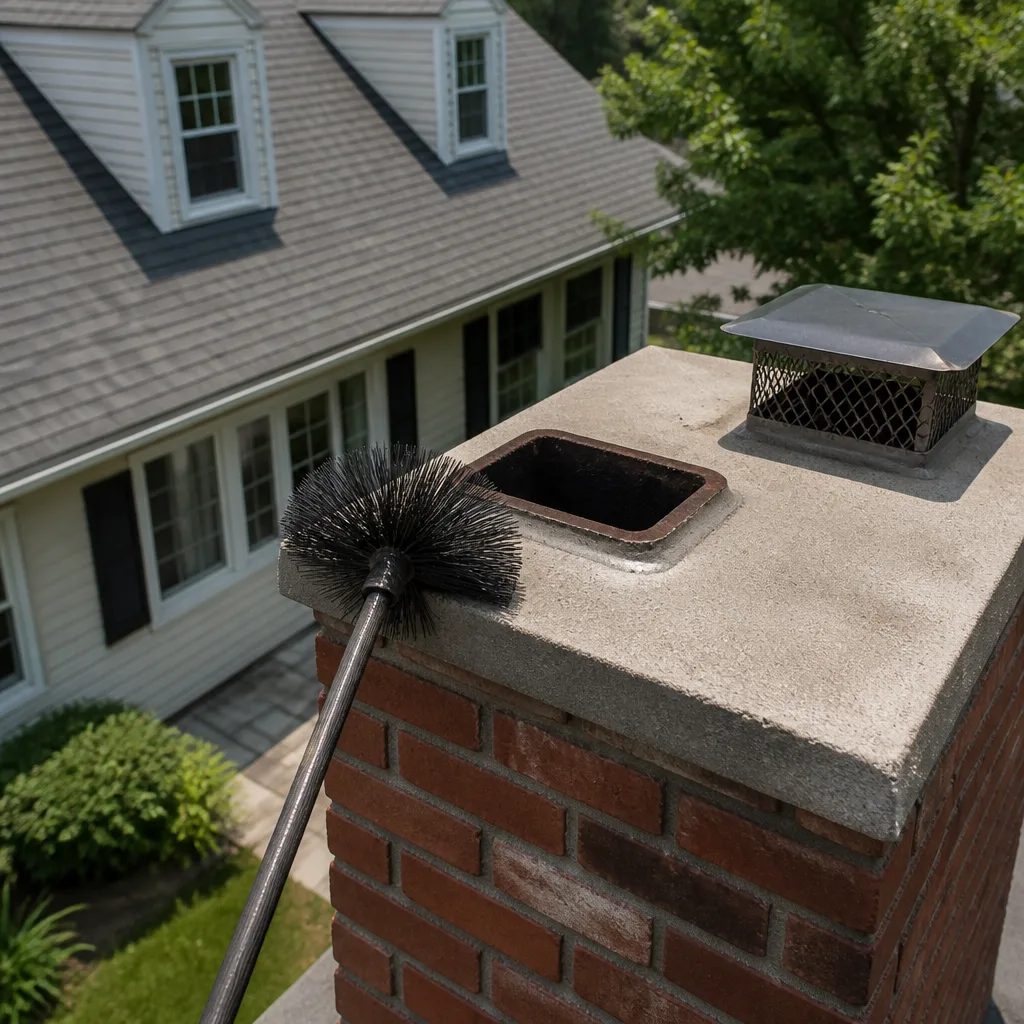 Sweep & inspection
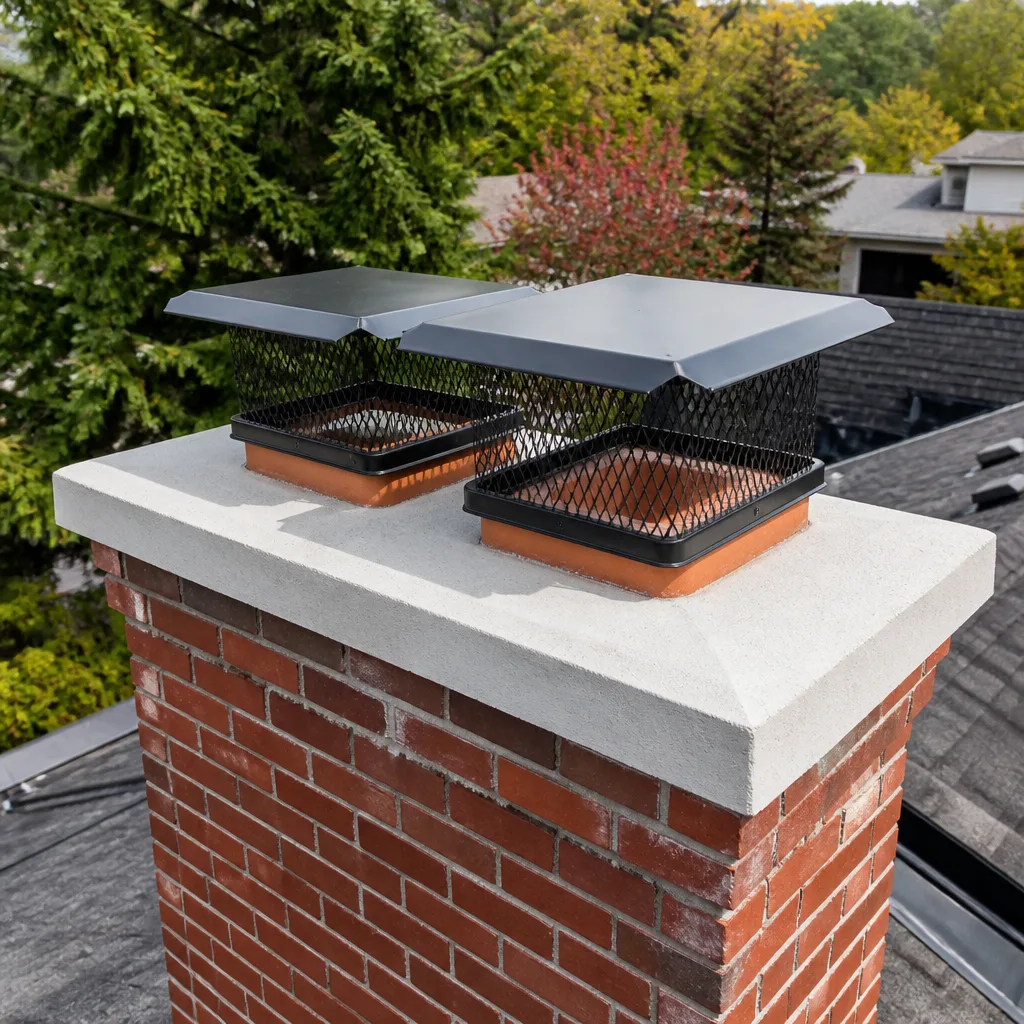 Caps & crowns
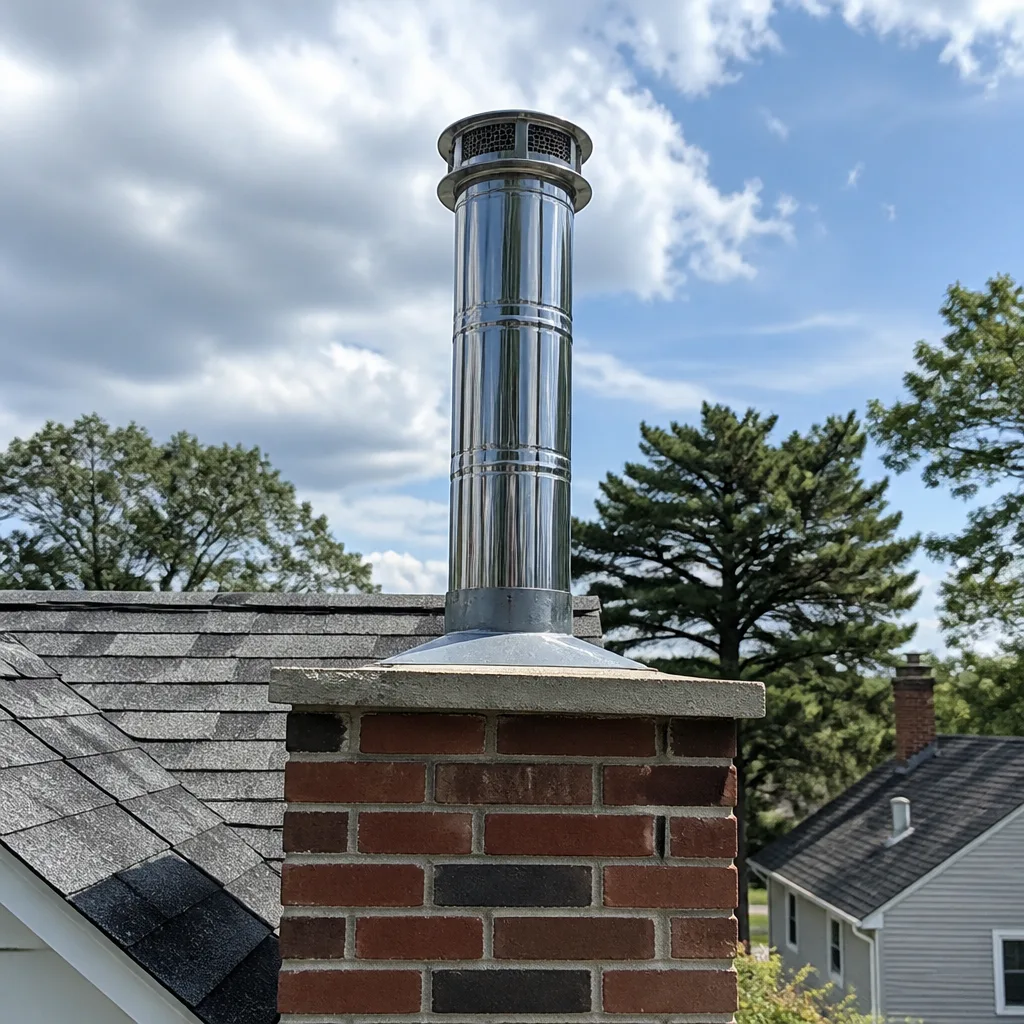 Flue relining
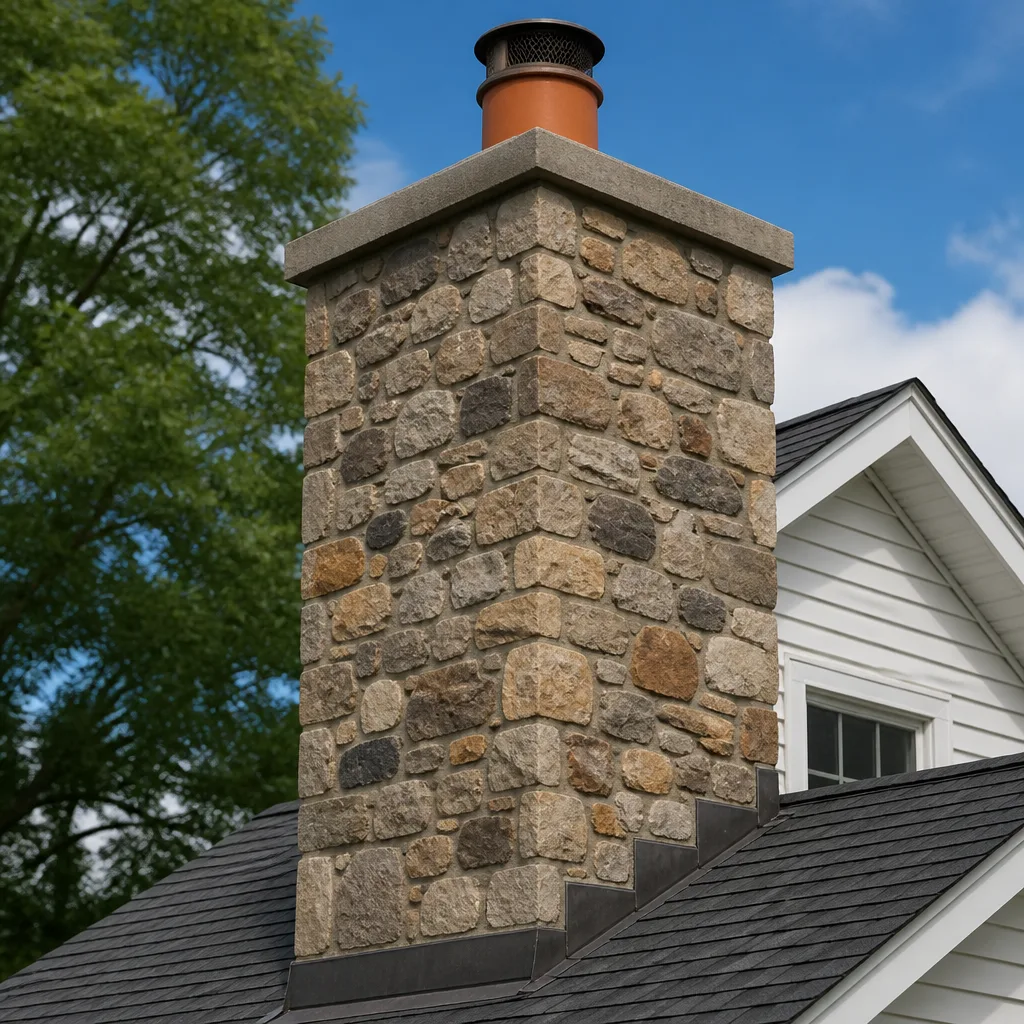 Masonry repair
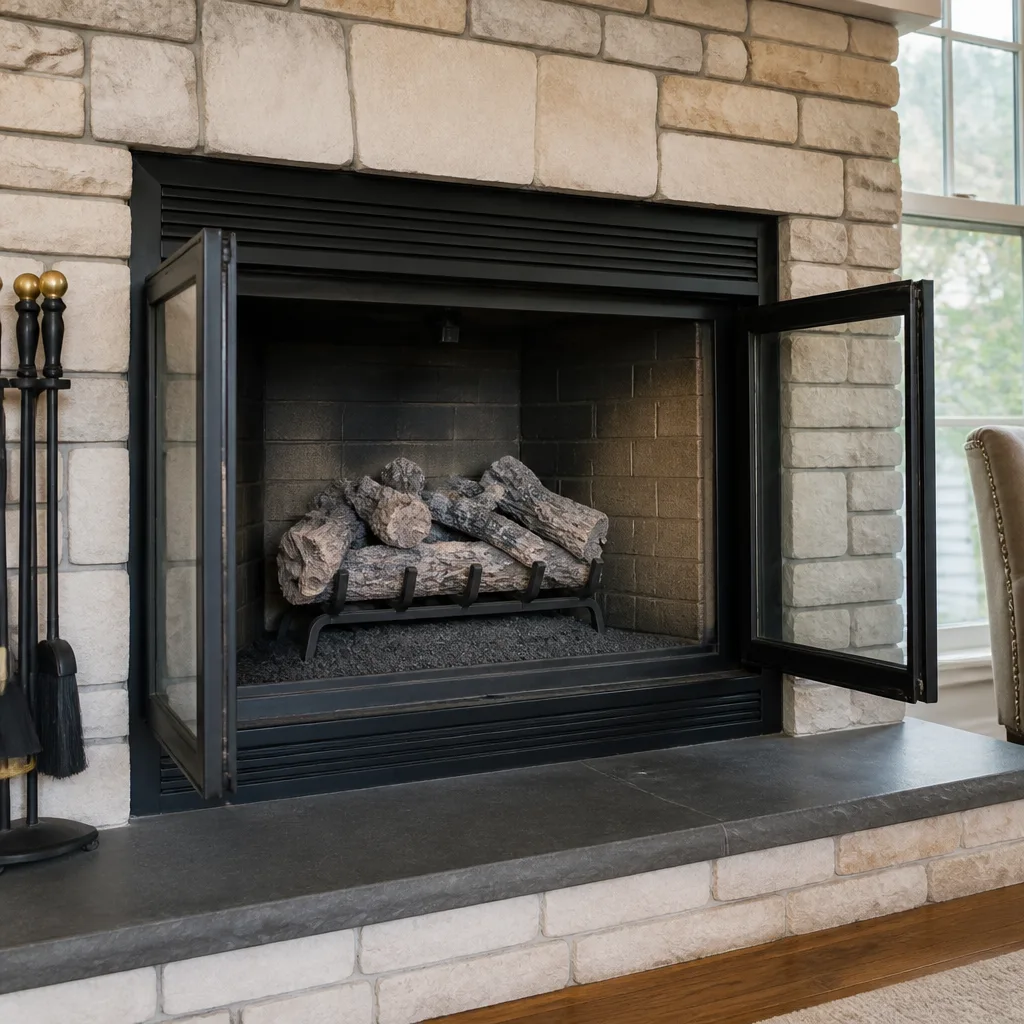 Gas fireplace service
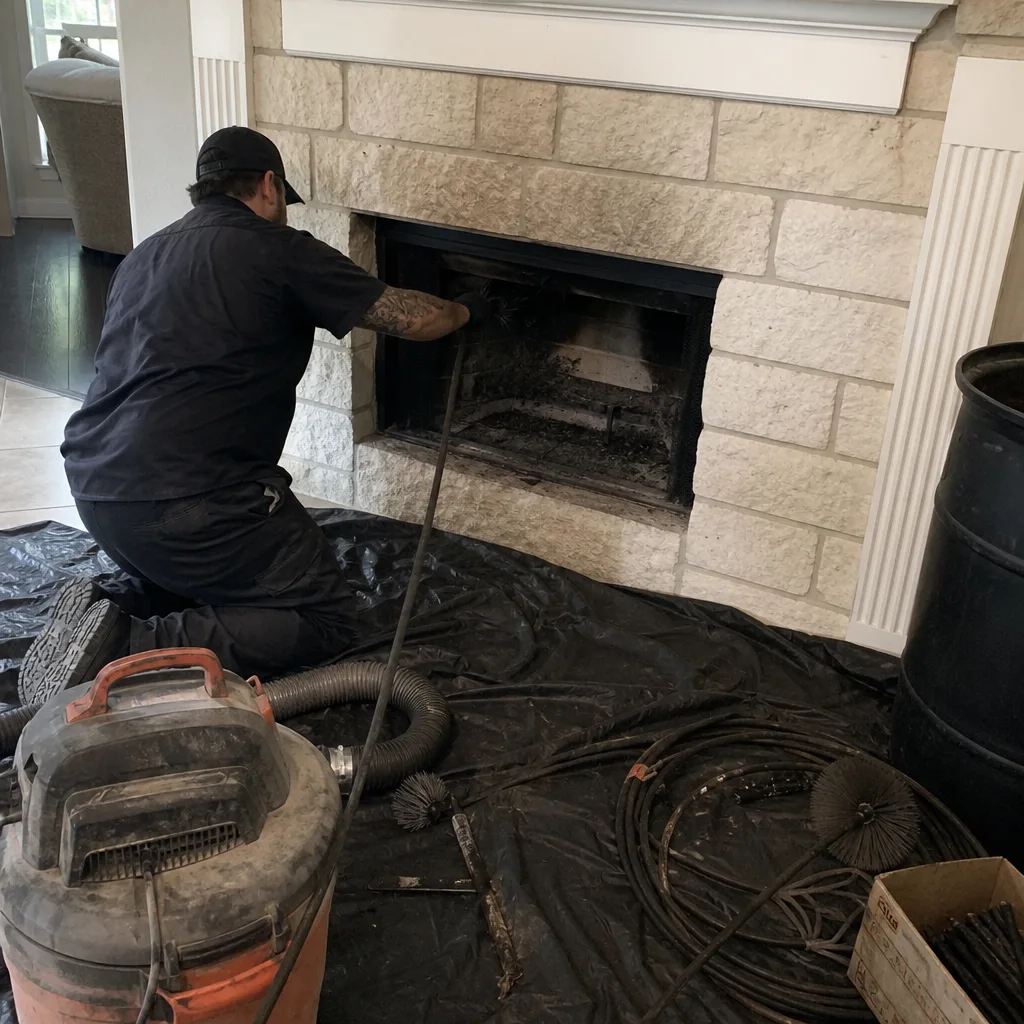
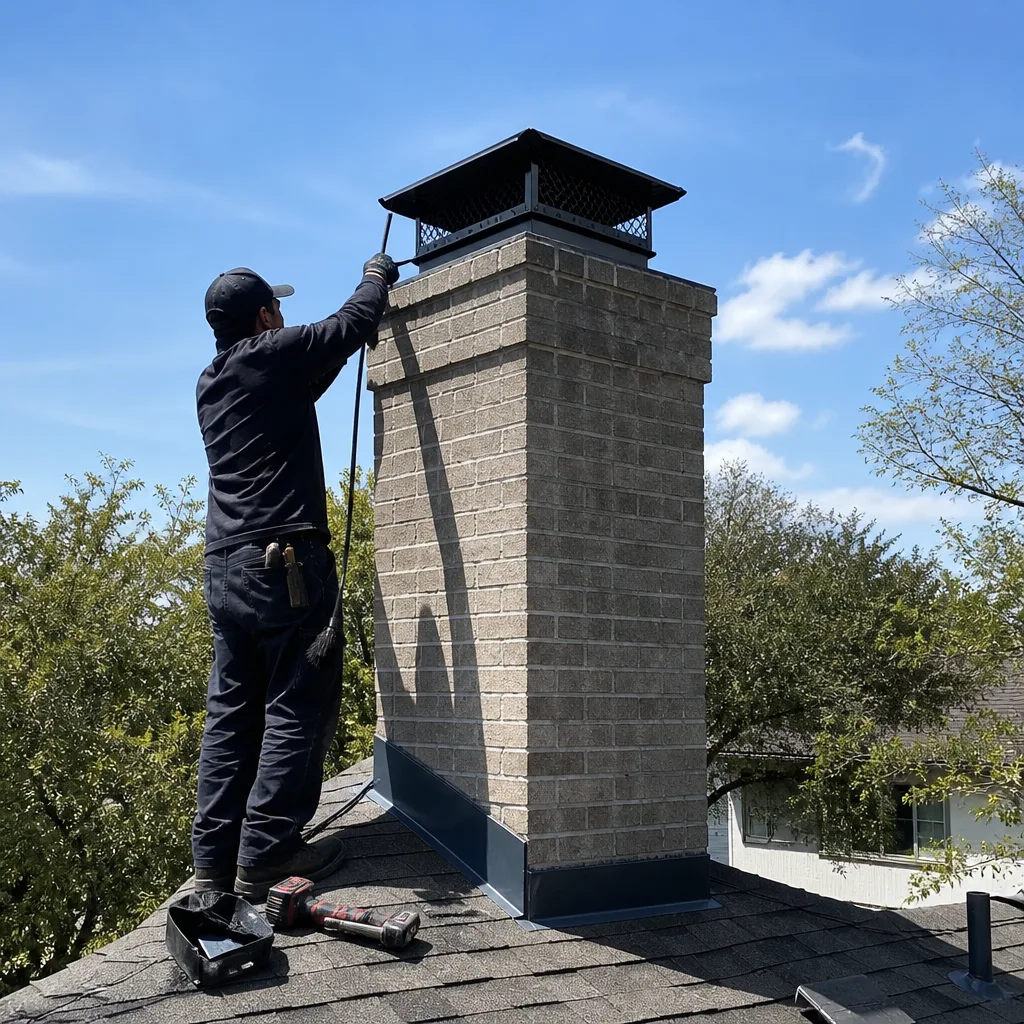
Level 1 sweep and inspection to the NFPA 211 annual standard - flue, crown, cap, and flashing checked and photographed
Chimney sweep logs do not sweep chimneys. They loosen some creosote - which then falls where a brush and vacuum still have to collect it.
The Complete Guide to Chimney Cleaning in Fort Worth
Here’s a number most Fort Worth homeowners have never heard: a standard Level 1 chimney cleaning touches six distinct components, and the average person can name exactly one of them. That gap between what a sweep actually does and what homeowners think they’re paying for is why quotes vary by $200 or more across Tarrant County. This guide closes that gap. We’ll walk through every component a proper Fort Worth chimney cleaning covers, what each step costs, what a written scope of work should include, and how to spot a quote that’s either too vague or too padded. You’ll finish knowing more about your chimney than most contractors expect you to know.
Quick Answer
A chimney cleaning in Fort Worth typically costs between $189 and $349 for a standard Level 1 sweep, depending on chimney height, creosote buildup, and accessibility. The work covers six components: firebox, damper, smoke shelf, smoke chamber, flue liner, and cap. A cleaning removes creosote and obstructions but does not replace a structural inspection, which Texas homeowners should schedule annually if they burn wood more than twice a week during the cooler months.
Styles & brands we work with
Table of Contents
- What a Fort Worth Chimney Cleaning Actually Covers
- How Much Does a Chimney Cleaning Cost in Fort Worth?
- Why Fort Worth Chimneys Build Up Creosote Differently
- What a Written Scope of Work Should Include
- Cleaning vs. Inspection: What Texas Homeowners Need to Know
- Seven Warning Signs Your Fort Worth Chimney Needs Attention
- Common Mistakes to Avoid
- When to Call a Professional
- Frequently Asked Questions
What a Fort Worth Chimney Cleaning Actually Covers
A full chimney cleaning in Fort Worth is not a guy with a brush on a pole. It’s a six-point process, and each point addresses a specific failure mode. When we dispatch a technician in Fort Worth, here’s what gets touched, in order.
1. The Firebox
The firebox is the brick or stone chamber where the fire actually burns. It’s the most visible part of the system and the one homeowners recognize. During a cleaning, the technician removes ash, soot, and any debris, then checks the firebrick for cracks or spalling. Spalled brick (brick that’s flaking or popping off in layers) is common in Fort Worth because our clay soil holds moisture against foundation-level masonry, and that moisture works its way up. A cracked firebox with missing mortar joints lets heat reach combustible framing behind the brick. That’s a repair issue, not a cleaning issue, but a proper cleaning flags it.
2. The Damper
The damper is the metal plate just above the firebox that opens and closes the flue. It gets coated in creosote and soot, and the hinges gum up. A cleaning includes brushing the damper plate, checking the seal, and confirming it opens and closes without grinding. A damper that won’t fully close lets conditioned air escape up the chimney all summer, and in a Fort Worth August, that’s money you can measure on your electric bill.
3. The Smoke Shelf
The smoke shelf sits just above the damper, below the smoke chamber. It’s a flat ledge designed to catch falling debris and prevent downdrafts from pushing smoke back into the room. It also catches a lot of creosote. Because the smoke shelf is hidden from view from both the firebox and the roof, it’s the most often-missed component in a cheap cleaning. A thorough Fort Worth sweep includes reaching up past the damper to clear this shelf. If a quote doesn’t mention it, ask whether it’s included.
4. The Smoke Chamber
The smoke chamber is the inverted funnel-shaped section above the smoke shelf that channels smoke into the flue. Its corbeled brick walls are notoriously rough, which makes them excellent at trapping creosote. In older Fort Worth homes, the smoke chamber is often unpaved or poorly parged. A proper cleaning scrapes and brushes this area, and notes whether the parging (the smooth mortar coating) is failing. A failing smoke chamber surface holds creosote and accelerates buildup.
5. The Flue Liner
The flue liner is the pipe, usually clay tile or metal, that runs the full height of the chimney. This is where most creosote accumulates, and it’s the part homeowners picture when they think of chimney cleaning. The technician runs a brush sized to the liner diameter through the full length, from the top down or bottom up, depending on access. In Fort Worth, flue liners cracked by freeze-thaw cycles are common. When the liner is intact, a cleaning removes creosote and restores draft. When it’s cracked, a cleaning alone is not enough, and a camera inspection is the only way to know for certain.
6. The Chimney Cap and Crown
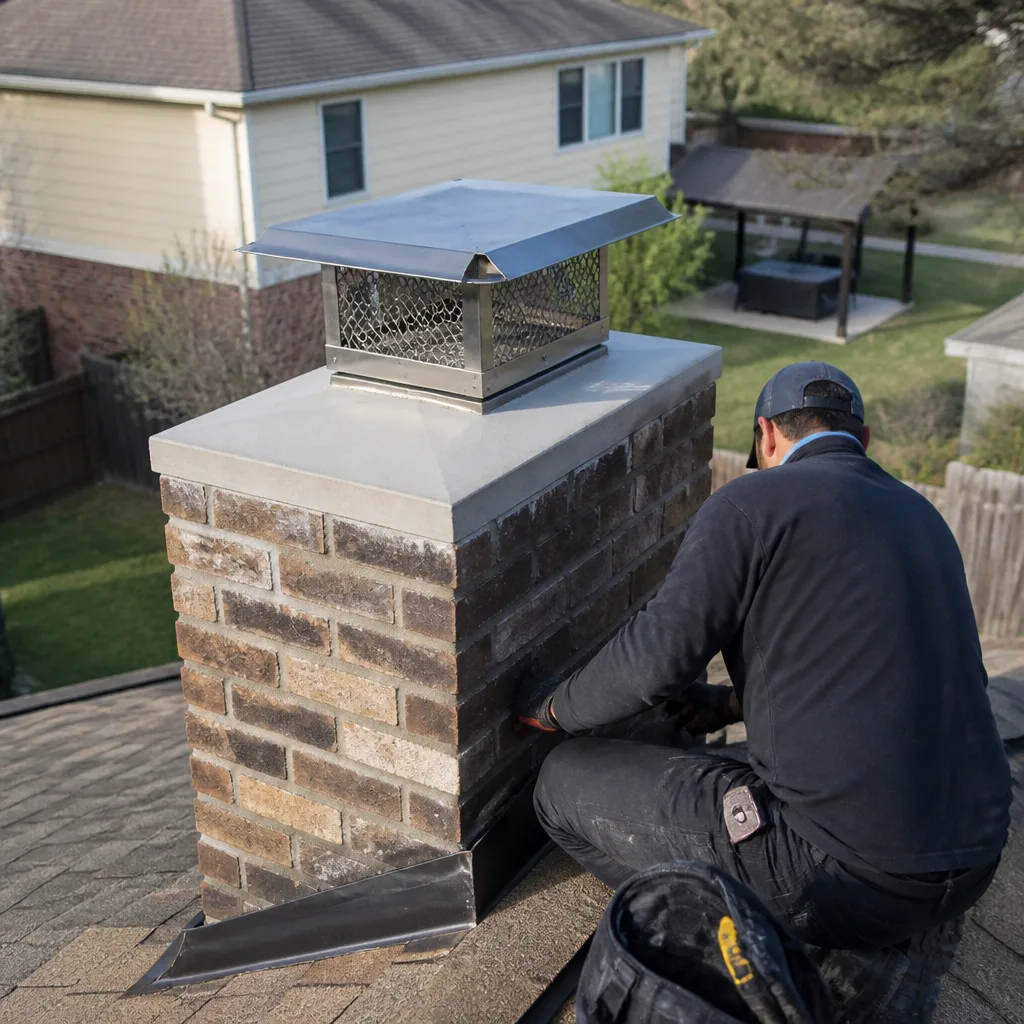
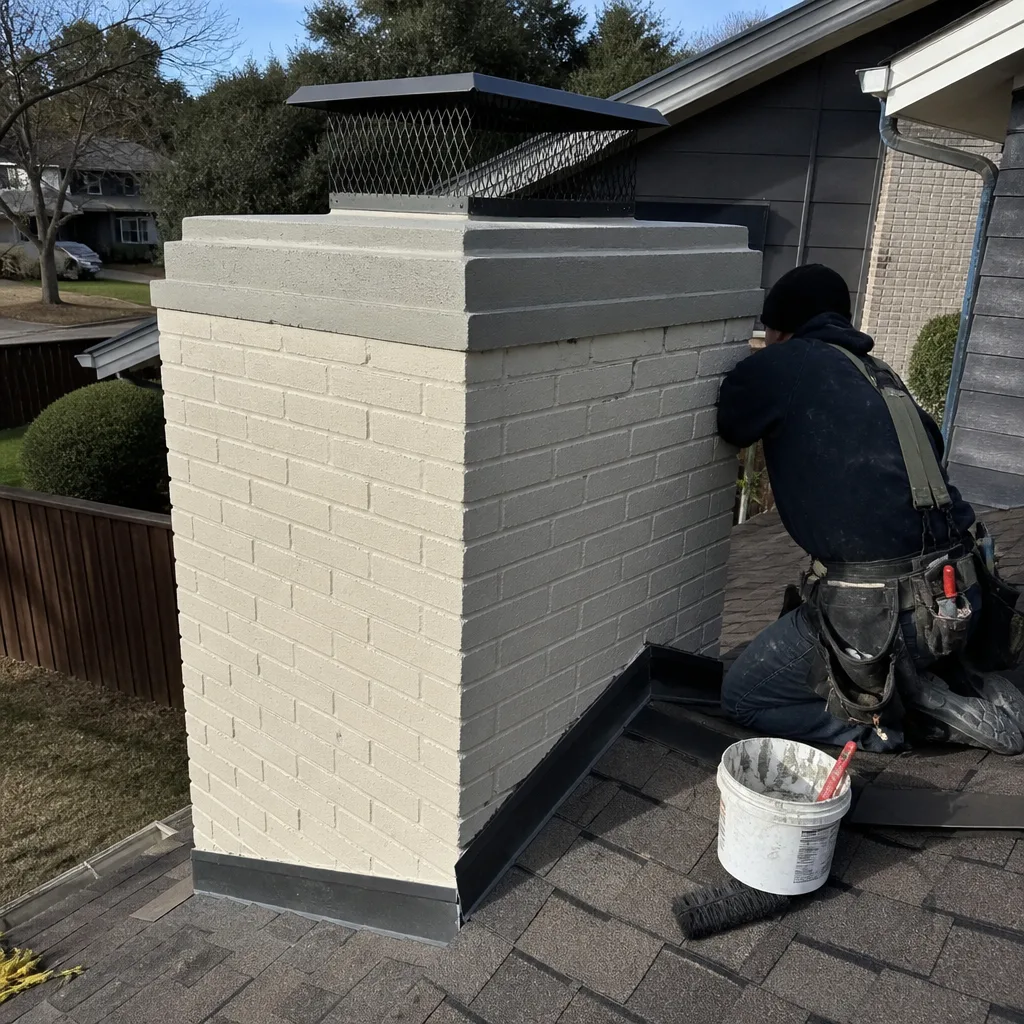
The cap is the metal screen-capped cover at the top. The crown is the concrete slab that seals the top of the chimney structure. A cleaning includes clearing the cap screen of creosote and debris, checking that it’s seated properly, and examining the crown for cracks. A cracked crown lets water into the chimney in Fort Worth’s winter freeze-thaw cycles, and water plus creosote creates a corrosive acid that speeds liner damage. Replacing a cap runs $150 to $450 installed in most Tarrant County markets; repairing a crown typically starts around $200.
Our Chimney Sweep in Fort Worth page walks through this process in detail if you want to see how the six components map to a typical service call.
How Much Does a Chimney Cleaning Cost in Fort Worth?
Let’s put actual numbers on the table. In Fort Worth in 2026, a standard Level 1 chimney cleaning runs from $189 to $349. The spread comes from three factors: chimney height (two-story runs cost more than single-story), creosote severity (light dusting versus glazed, tarry stage-three buildup), and access difficulty (steep roofs, tall pitch, limited ladder staging).
Here’s a breakdown of the typical line items in the Fort Worth market:
- Standard Level 1 cleaning (one-story, light-to-moderate creosote): $189 – $249
- Two-story or steep-pitch roof access: add $50 – $75
- Heavy glazed creosote removal (stage-three, requires chemical treatment or extra brushing): add $100 – $150
- Chimney cap replacement: $150 – $450 including the cap and install
- Chimney crown repair: $200 – $800 depending on damage extent
- Camera inspection (if not included in the service): $75 – $150
If a Fort Worth quote comes in under $150 for a full cleaning, something is being skipped. Most likely candidates are the smoke shelf and smoke chamber. If a quote comes in over $400 without a clear explanation like heavy glazed creosote or difficult access, you’re being charged for something beyond a cleaning. Both are red flags.
At Flint Chimney Co Fort Worth, every quote is written before work begins. The number on the quote is the number on the invoice. No surprises after the brushes come out. For a full breakdown of pricing in this market, our Flint Chimney Co Fort Worth home page covers what’s included on every service call.
Why Fort Worth Chimneys Build Up Creosote Differently
Creosote forms when wood smoke cools and condenses on chimney surfaces. The rate of buildup depends on how hot and how often you burn, what you burn, and the ambient conditions around the chimney. Fort Worth has a particular set of conditions that affects this.
First, our climate. Fort Worth winters alternate between cold snaps and mild stretches. That stop-start burning pattern is worse for creosote than steady northern burning because the chimney rarely reaches a sustained high temperature. Every cold start produces a burst of smoke that condenses on cold tile surfaces before the flue warms up. Northern homeowners burn daily for months, which keeps flues hot. Fort Worth homeowners burn on random cold nights, which creates repeated condensation cycles. More cycles, more layers.
Second, our clay soil. You wouldn’t think soil affects creosote, but it does through moisture. Tarrant County’s expansive clay holds water against the base of the chimney and releases it slowly. That moisture migrates up into the masonry and into the flue, where it mixes with creosote to form a sticky, acidic compound that clings harder and corrodes liners faster than dry creosote. North Texas chimneys that aren’t cleaned annually tend to have denser, harder deposits than you’d see in a drier region.
Third, what we burn. A lot of Fort Worth homeowners burn oak and mesquite. Both are dense hardwoods that burn hot, which is good for creosote reduction, but mesquite especially produces a resinous smoke that deposits a hard, shiny creosote layer. If you’re burning mesquite from a local wood lot, tell your sweep. It changes what they expect to find and how they approach the cleaning.
One more factor: our freeze-thaw cycles. Fort Worth winters routinely swing above and below freezing in the same week. Water that seeps into tiny liner cracks freezes, expands, and widens the crack. Those wider cracks give creosote a place to lodge and give heat a path to reach the masonry. That’s why annual cleaning and inspection matters more in Fort Worth than in cities with steadier winters.
What a Written Scope of Work Should Include
Before any technician sets up a ladder, you should have a piece of paper that says exactly what’s being done and what it costs. Verbal promises don’t hold up. If a company won’t put it in writing, that’s a signal to call someone else.
A legitimate written scope of work for a Fort Worth chimney cleaning includes these items.
- Service description. “Level 1 chimney sweep, residential, single-flue.” Not “chimney cleaning.” The level and scope should be explicit.
- Components included. Firebox, damper, smoke shelf, smoke chamber, flue liner, cap. All six. If any are excluded, the document should say so and why.
- Access method. Top-down or bottom-up. This tells you whether they’re actually getting on the roof or just reaching up from the firebox. Bottom-up-only cleanings miss cap and crown issues.
- Price. The total, in dollars, with any add-ons listed separately and pre-approved.
- Inspection note. A statement of whether the cleaning includes or excludes a camera inspection, and what the technician will do if they find damage.
- Guarantee terms. What’s covered, for how long, and what happens if something fails. At Flint Chimney Co Fort Worth, every repair carries a written one-year guarantee. If a covered repair fails within that year, we return at no charge, no argument. That’s the Garrison Standard, the same code every Garrison Partners location follows.
If a company hands you a quote with just a dollar figure and the word “sweep,” that’s not a scope. That’s a starting bid that will grow. For more on what a proper inspection should cover, see our Chimney Inspection in Fort Worth page.
Cleaning vs. Inspection: What Texas Homeowners Need to Know
A cleaning and an inspection are different jobs. A cleaning removes creosote. An inspection evaluates the structural and functional condition of the chimney system. You can do one without the other, but doing them together is cheaper than doing them separately.
The National Fire Protection Association (NFPA 211) sets the standard, and Texas chimney professionals follow it. Here’s the practical version for Fort Worth homeowners.
Level 1 inspection: A visual check of accessible portions of the chimney, done as part of routine service. Recommended annually when you’re not changing the system. It pairs naturally with a cleaning.
Level 2 inspection: A more thorough examination, including video scanning of the flue interior. Required when you’re buying or selling a home, after any chimney fire, after a significant weather event, or when you’re changing the fuel type or appliance. A Level 2 inspection in Fort Worth typically runs $150 to $300 and is the only way to see the inside of a flue liner that’s not visible to the naked eye.
Level 3 inspection: Involves partially dismantling portions of the chimney to access hidden areas. Rarely needed. Only when a Level 2 inspection indicates a serious hidden problem that can’t be diagnosed any other way.
In Fort Worth, the practical rule: if you burn wood regularly (more than twice a week during cold months), schedule a Level 1 cleaning and visual inspection every year. If you just bought the house, schedule a Level 2 regardless of what the seller said about chimney condition. If you had a chimney fire, even a small one, schedule a Level 2 before you burn again. A chimney fire can crack a liner in seconds, and a cracked liner plus the next fire is the recipe for a house fire.
Flint Chimney Co Fort Worth includes a visual inspection with every cleaning, and we recommend a camera inspection when the flue shows signs of prior damage, when the home is new to you, or when you’ve had a chimney fire. We don’t recommend work without showing you the camera footage first. If we can’t show you the damage, we haven’t earned the repair.
Seven Warning Signs Your Fort Worth Chimney Needs Attention
Some problems show up before a chimney fire does. Here are seven signs that your Fort Worth chimney is due for service or repair.
- Visible creosote buildup. If you can see black, tar-like, or shiny residue inside the firebox or on the damper, that’s creosote. If it’s 1/8 inch thick or more, it’s a fire hazard. Schedule a cleaning before you burn again.
- Smoke backing up into the room. A properly drafting chimney pulls smoke up and out. Smoke entering the room means an obstruction, a closed damper, a cold flue, or a drafting problem. Don’t wait on this one.
- A strong campfire smell when the fireplace is not in use. Creosote odor comes through the room, especially in humid weather. That smell means buildup has accumulated and is off-gassing. It’s the most common reason Fort Worth homeowners call us in spring and early summer, when humidity returns and dormant creosote starts to smell.
- Damper that won’t open or close. A rusted or warped damper is a safety and efficiency issue. It can trap carbon monoxide inside the home or let heated and cooled air escape all year.
- Cracked or spalled bricks on the exterior chimney. Flaking brick and crumbling mortar mean moisture intrusion. This is common in Fort Worth homes with clay soil and 20-plus-year-old masonry. The damage won’t reverse itself.
- Water in the firebox after rain. That’s a cap, crown, or flashing failure. Water accelerates creosote corrosion and liner damage. It also brings the smell of wet soot into the house.
- You can’t remember the last time it was cleaned. If it’s been more than a year and you burn regularly, schedule the cleaning. The risk is not theoretical. The Chimney Safety Institute of America identifies creosote buildup as the leading cause of chimney fires, and chimney fires that reach the attic are among the most dangerous structure fires because they burn undetected in enclosed spaces.
Common Mistakes to Avoid
- Hiring the first $79 coupon that shows up in the mail. A $79 sweep in Fort Worth is a loss-leader designed to get a technician in the door and upsell repairs. The smoke shelf doesn’t get touched, the cap doesn’t get checked, and you’ll be quoted $800 of “necessary” work by the time the truck leaves. If the price sounds too low to pay a tech’s wage, it’s because the tech is a salesman.
- Burning unseasoned wood. Fresh-cut or green wood produces more smoke, more creosote, and less heat. In Tarrant County, wood needs 6 to 12 months of drying after splitting. The oak you bought in November and burned in December was probably still 30 percent moisture. That’s creosote you’re voluntarily adding to your flue.
- Assuming a chimney inspection happened during the home inspection. Most home inspectors do not open dampers, do not get on the roof, and do not have the tools to see inside a flue. A standard real estate inspection is not a chimney inspection. If you bought a house in Fort Worth and you don’t have a separate Level 2 chimney inspection report, you don’t know the condition of your chimney.
- Ignoring small cracks because they’re small. A hairline crack in a flue liner becomes a structural crack after one Fort Worth winter of freeze-thaw cycles. Water gets in, freezes, expands, and the crack widens. What was a $300 repair in October is a $3,000 liner replacement by March.
- Cleaning a chimney yourself with hardware store brushes. We get the appeal. But a homeowner can’t reach the smoke shelf, can’t inspect the flue for cracks, and can’t safely work on a steep Fort Worth roof. More importantly, if you miss glazed creosote, you’ve given yourself a false sense of safety. That’s worse than knowing you have a problem.
- Waiting until fall. Every chimney company in Fort Worth books out weeks in advance from September through December. If you wait until the first cold snap, you’ll either wait weeks for a cleaning or pay a premium. Schedule in late summer, before the rush.
- Taking the lowest quote without comparing the scope. A $189 cleaning that includes all six components is a better deal than a $149 cleaning that skips the smoke chamber and the cap. Price means nothing without a written scope next to it.
When to Call a Professional
Call a Fort Worth chimney professional if you see visible creosote buildup, if smoke enters the room during a fire, if you smell campfire when the fireplace is cold, or if you’ve bought a home and don’t have a prior chimney inspection report. Call if you’ve had a chimney fire of any size, even one that lasted only seconds. Call if you see cracked bricks, water in the firebox, or a rusted damper. This is not work to defer. A chimney fire can reach 2,000 degrees Fahrenheit, and a liner crack can put that heat against your home’s framing in minutes. Flint Chimney Co Fort Worth offers free estimates in Fort Worth. Call (682) 255-2144 and a live person will answer, any hour, any day. No voicemail trees, no callback forms.
Frequently Asked Questions
A typical chimney cleaning in Fort Worth runs $189 to $349 depending on chimney height, creosote severity, and roof access. This covers the firebox, damper, smoke shelf, smoke chamber, flue liner, and cap. Call (682) 255-2144 for a written quote before any work begins, free of charge.
Clean it once a year-see our Seasonal Chimney Cleaning Care for Fort Worth: Year-Round Homeowner’s Guide for timing-if you burn wood more than twice a week, regardless of how light the fires seem. Fort Worth’s stop-start burning pattern and humidity create creosote faster than steady cold-climate use. If you burn every night in winter, you may need two cleanings per season.
A sweep removes creosote and debris. An inspection evaluates the structural condition of the system. The two jobs are done together on most service calls, and the visual inspection is what catches cracked liners, damaged caps, and water intrusion. A camera inspection (Level 2) is the only way to see inside the flue itself.
You need a new liner if the existing one is cracked, spalling, or deteriorated to the point where it can’t contain heat and combustion gases. A 1/8 inch of creosote is not a reason for a liner replacement. The way to know for certain: ask to see the camera footage. A legitimate contractor in Fort Worth will show you the damage on a screen before quoting a liner job. At Flint Chimney Co Fort Worth, we don’t recommend a liner replacement unless we can show you the crack or deterioration on camera. If a company says you need a new liner but won’t show you video, get a second opinion.
You can, but we don’t recommend it. A homeowner can’t reach the smoke shelf or properly brush the smoke chamber from below, can’t safely access steep Fort Worth rooflines, and can’t evaluate the flue liner for structural cracks. More importantly, a DIY cleaning gives you the feeling that the chimney is safe when it may not be. The risk of a chimney fire doesn’t care who last cleaned it.
A standard Level 1 cleaning in Fort Worth takes 45 to 90 minutes from the time the technician starts setup to the time the truck is packed. Add 15 to 30 minutes if a camera inspection is included. The technician fires up a vacuum system, brushes the flue from the roof or the firebox, cleans each component in sequence, and then shows you what came out before leaving.
The Bottom Line
Chimney cleaning in Fort Worth is a $189 to $349 job that touches six components: firebox, damper, smoke shelf, smoke chamber, flue liner, and cap. Our climate builds creosote faster than northern cities, our clay soil adds moisture to the equation, and our freeze-thaw cycles turn small cracks into big ones. A proper cleaning includes a written scope of work, a visual inspection, and a clear explanation of anything found. At Flint Chimney Co Fort Worth, every job gets a written price before work begins, every repair carries a one-year written guarantee, and if a covered repair fails within that year, we return at no charge. That’s the Garrison Standard, and we put it in writing because verbal promises don’t hold up. If your chimney’s due, call (682) 255-2144 for a free estimate. If it’s not due yet, schedule it now before the fall rush, when every Fort Worth chimney company has a two-week waitlist.
Written by Hank Delano, Owner at Flint Chimney Co Fort Worth, serving Fort Worth since 2002.
See the difference
 Before
 After
After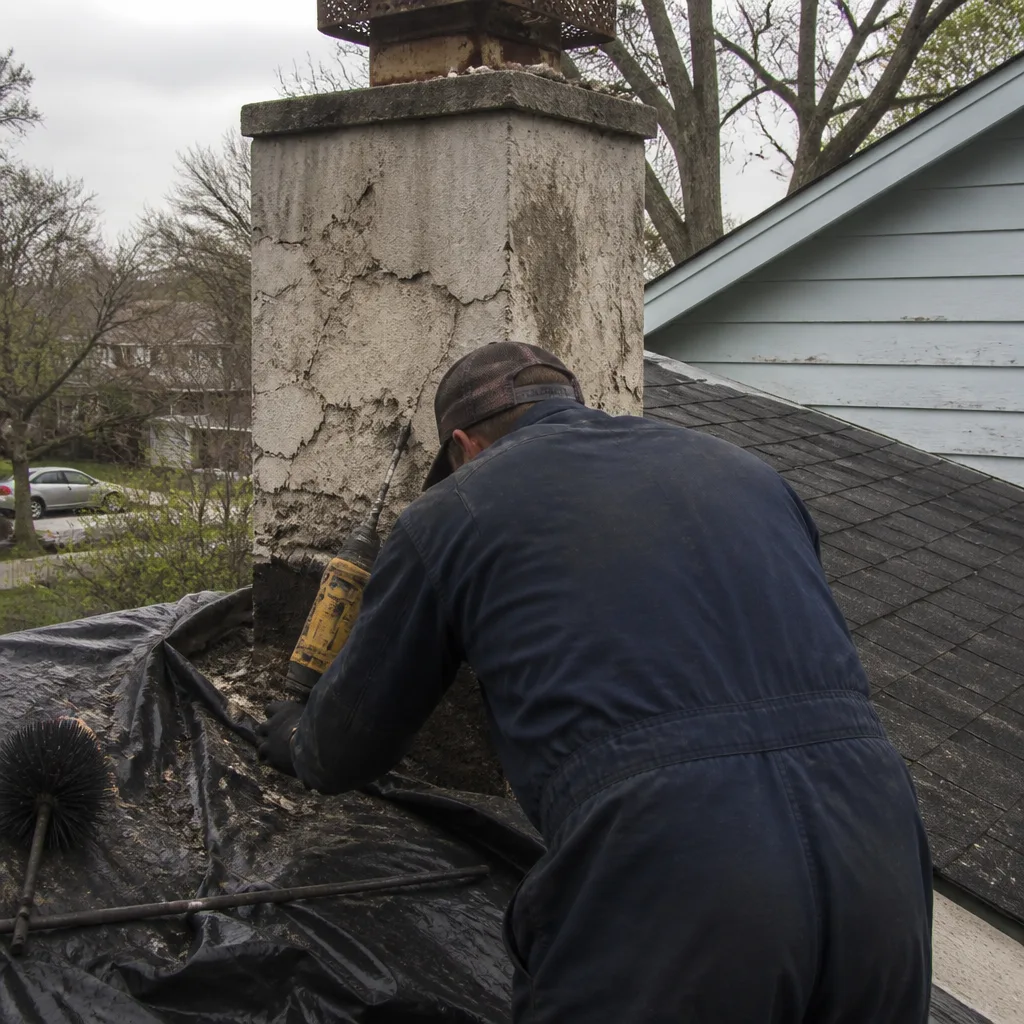 Before
 After
After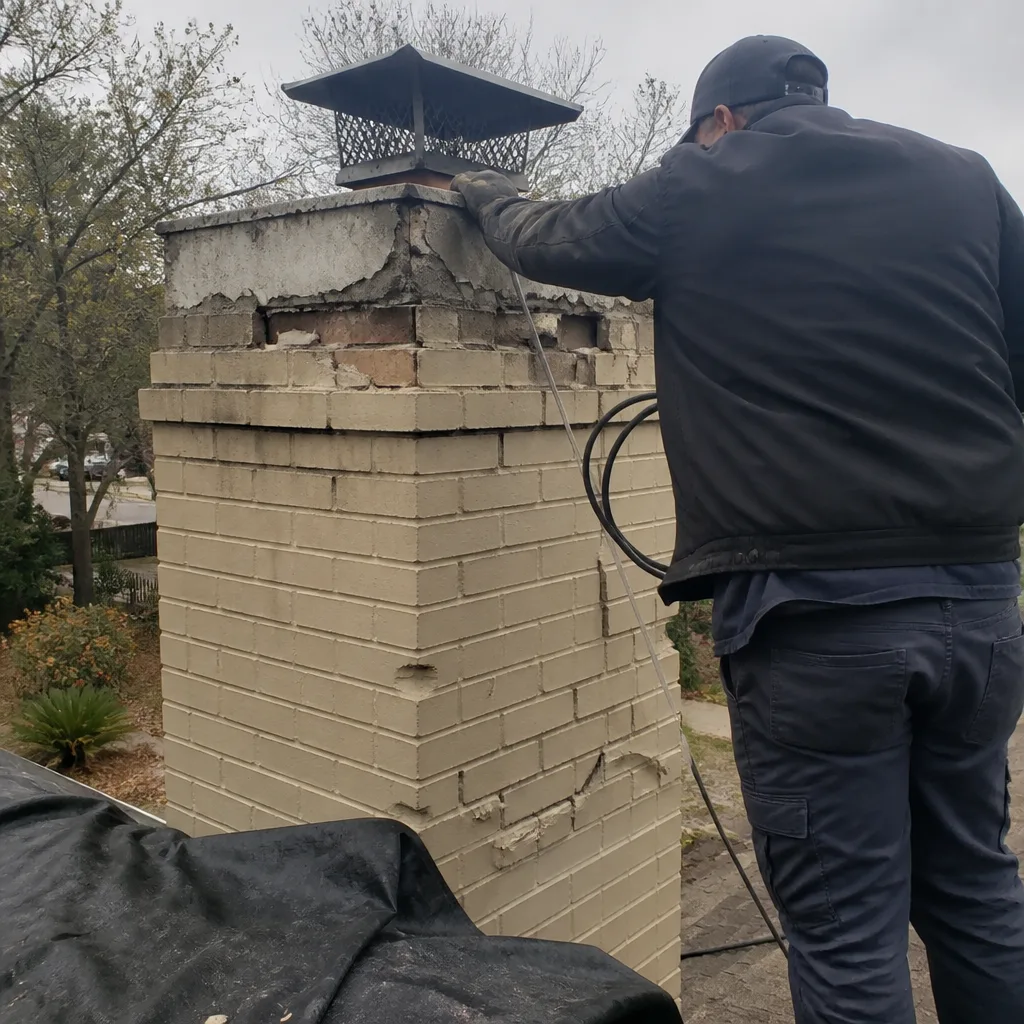 Before
 After
After