

Last updated October 15, 2026
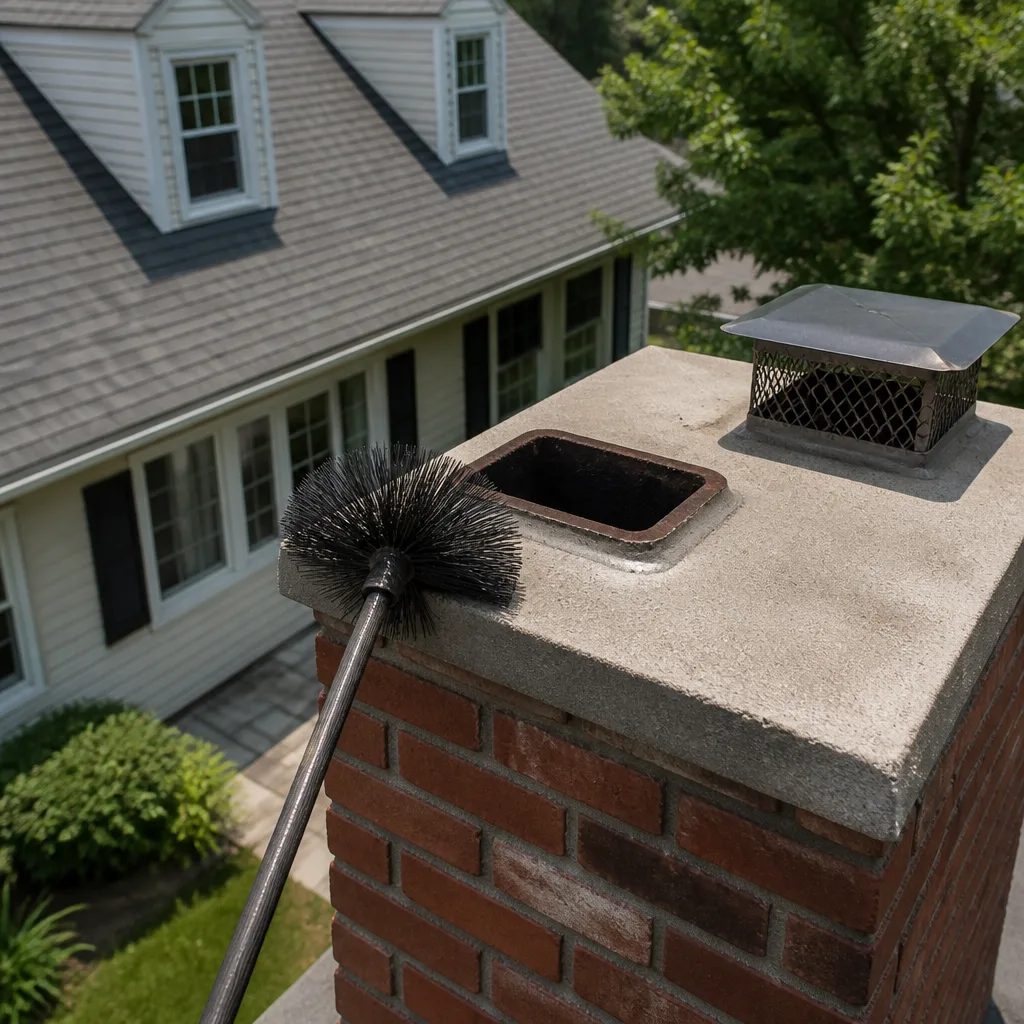 Sweep & inspection
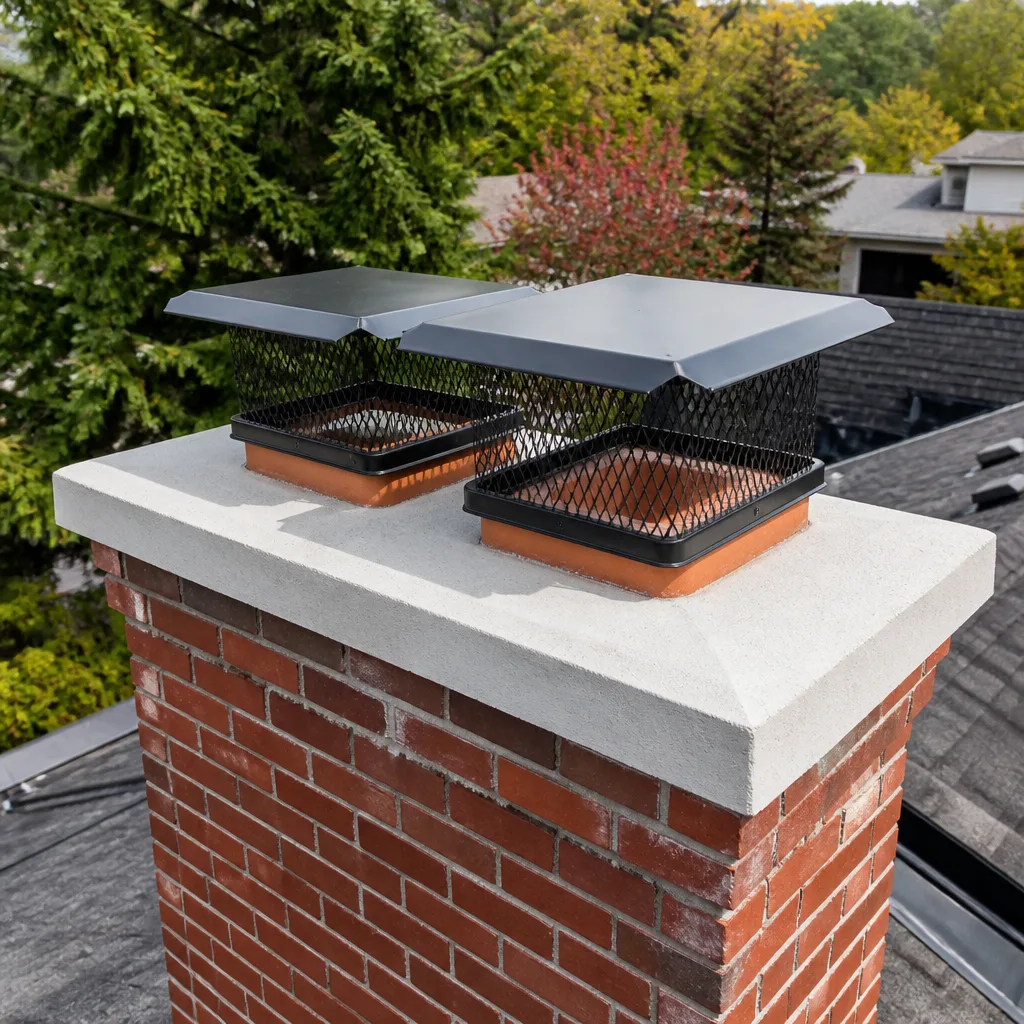 Caps & crowns
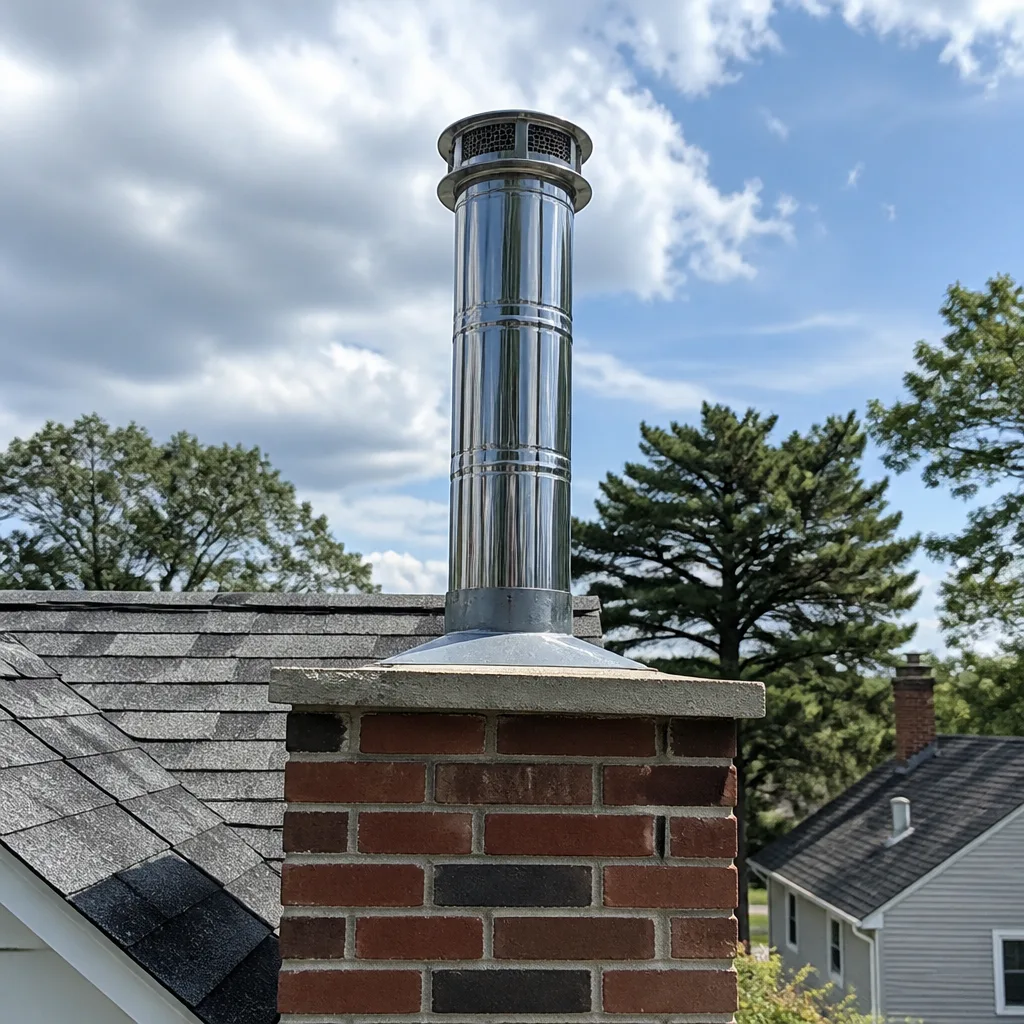 Flue relining
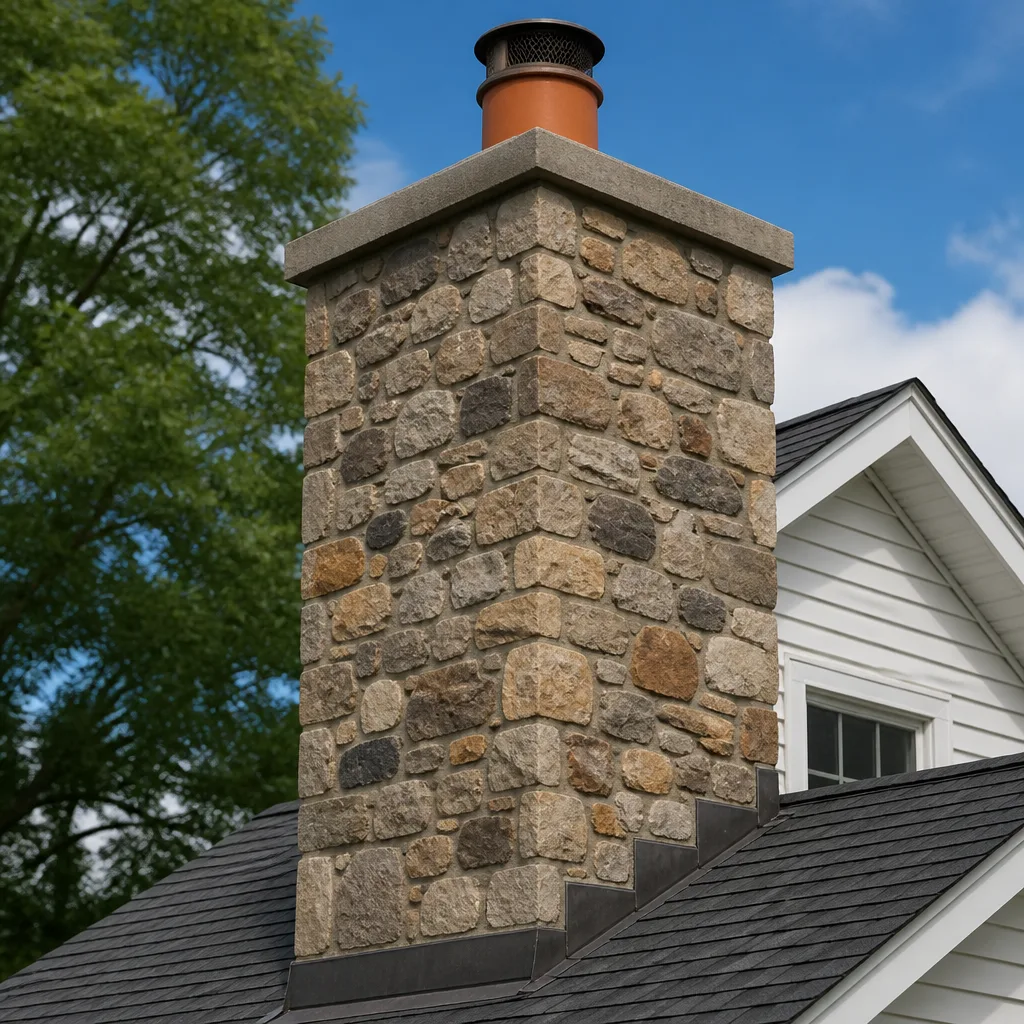 Masonry repair
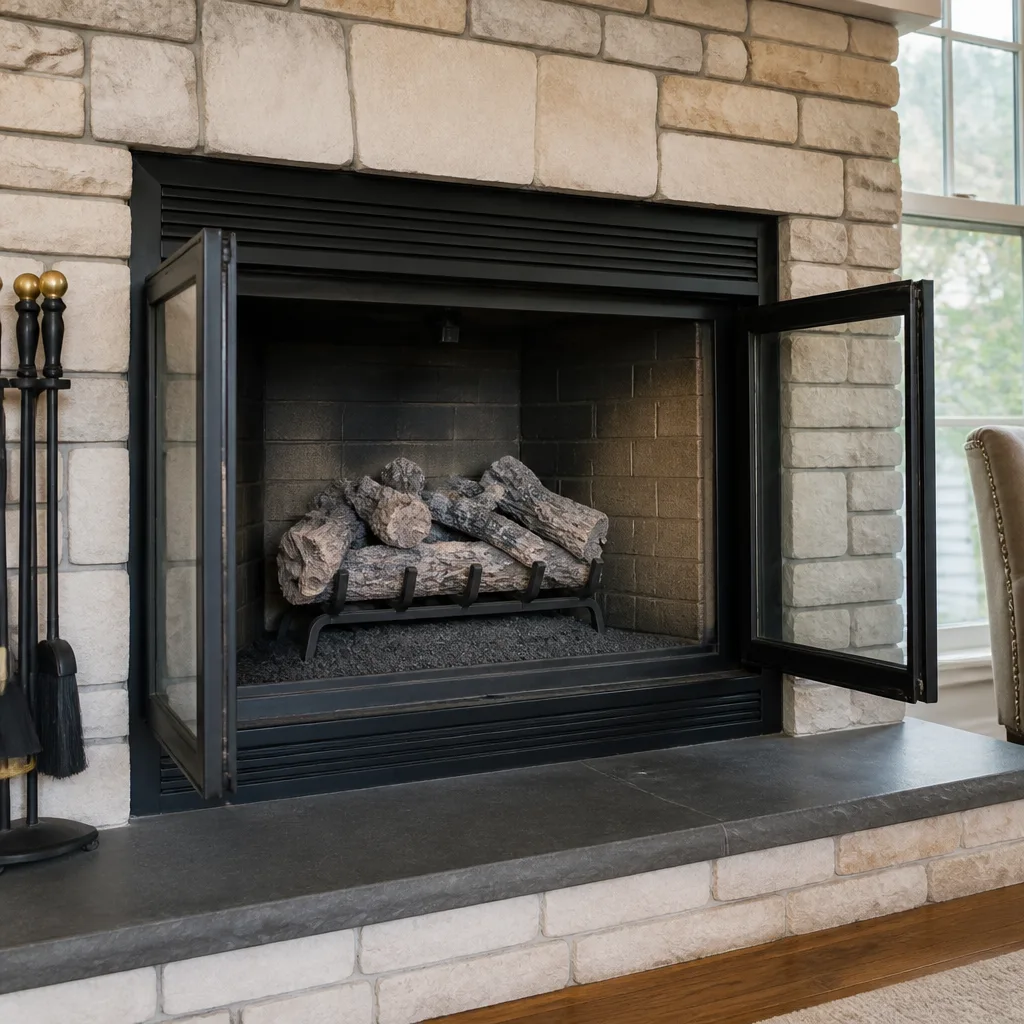 Gas fireplace service
Level 1 sweep and inspection to the NFPA 211 annual standard - flue, crown, cap, and flashing checked and photographed
Chimney sweep logs do not sweep chimneys. They loosen some creosote - which then falls where a brush and vacuum still have to collect it.
Chimney Sweep Maintenance Checklist for Fort Worth Homeowners
Most chimney maintenance checklists tell you to “inspect the flue liner” without ever explaining what a cracked liner actually looks like from the firebox opening. That’s the gap this guide closes. We’re going to give you pass/fail criteria for every item on the list, so that when you shine a flashlight up past the damper, you know whether you’re looking at normal staining or the early stages of a liner failure. We’ll also cover the Fort Worth-specific stuff that generic checklists miss entirely: what our summer heat does to mortar joints, what to look for after a North Texas hailstorm, and the three things low-bid sweeps skip that actually matter. By the end, you’ll have a documented status on your chimney, not a vague to-do.
Quick Answer
A proper chimney maintenance checklist for Fort Worth homeowners boils down to this: verify the flue has no visible cracks or gaps, confirm the damper opens and closes with smooth resistance, check that the chimney cap is intact and attached, look for staining or moisture on the firebox walls, and document everything with a dated record. A standard Chimney Sweep in Fort Worth typically runs $189 – $329 depending on flue condition and accessibility. Most items on this list you can check yourself with a flashlight in about twenty minutes; a few require a camera inspection to assess honestly.
Styles & brands we work with
Table of Contents
- 1. The Flue Liner: What Passes, What Fails
- 2. The Damper: Pass/Fail Criteria You Can Feel
- 3. Chimney Cap and Rain Pan Integrity
- 4. Mortar Joints and Fort Worth Summer Heat
- 5. After a North Texas Hailstorm: The 30-Minute Check
- 6. The Three Items Low-Bid Sweeps Skip
- 7. Record Keeping That Protects You During a Home Sale
- 8. What You Can See Versus What Requires a Camera Inspection
1. The Flue Liner: What Passes, What Fails
Here’s what a flue liner (the inner channel that carries smoke safely out of the house) looks like when it passes inspection: smooth surfaces with a uniform color, no visible gaps between sections, and no flaking. If you have clay tile liners, the joints between tiles should be tight, with no missing mortar. If you have a stainless liner from a brand like DuraFlex, you’re looking for a continuous seam with no rust streaks and no separation at the connections. If you have a cast-in-place or HeatShield-resurfaced liner, you’re checking that the surface is continuous, with no bubbling, no spalling, and no exposed brick.
Now, what failure looks like from the firebox opening. A cracked clay tile often shows up as a hairline line that runs vertically between two tiles, sometimes with a dark discoloration bleeding out from the crack. Spalling is when the clay surface flakes away in layers, leaving a rough, pitted texture. If you see pieces of clay tile in the firebox, that’s a fail, no ambiguity. For stainless liners, look for rust, which usually means condensation is sitting against the metal, and for any gap where the liner has pulled away from the appliance connector or the top plate. A liner with a dime-sized hole anywhere is a fail, even if the rest of it looks clean.
We’ve walked Fort Worth homes where the liner looked fine from below and had a two-foot vertical crack visible only from the top. That’s why the honest answer is this: you can spot obvious liner failures from the firebox, but you cannot clear a liner from below alone. A Chimney Inspection in Fort Worth with a camera is the only way to look at every inch of the flue. For the checklist, mark the liner as pass, fail, or needs camera.
2. The Damper: Pass/Fail Criteria You Can Feel
The damper is the metal plate above the firebox that opens to let smoke out and closes to keep outside air from coming in. A damper passes if it moves through its full range of travel with steady resistance, stays in the position you leave it, and closes tightly enough that you cannot feel air moving past it on a windy day. A damper fails if it’s rusted open, rusted shut, wobbles loosely on its hinges, or has visible gaps around the frame when closed.
Test it by hand. Reach up (when the fireplace is completely cold, never after a fire), grab the handle, and push it open, then pull it closed. Smooth movement with a little friction is good. If it feels gritty, that’s creosote buildup or rust and it needs cleaning. If it slams shut or won’t stay open, the hinge mechanism is worn. If you see daylight around the edges when it’s closed, the seal is gone and you’re paying to air-condition Fort Worth in August through your chimney.
One more Fort Worth note: our humidity in spring and fall accelerates rust on damper hardware. A damper that worked fine in March can be frozen by June if it’s been left in the open position and rain has been getting past a failed cap. Mark the damper pass or fail, and note whether the movement felt smooth or gritty.
3. Chimney Cap and Rain Pan Integrity
The chimney cap (the metal cover at the top of the chimney) exists to keep rain, birds, squirrels, and debris from coming down the flue. A cap passes if it’s firmly attached with no wobble, the mesh screening has no holes larger than your thumb, and the top surface is not rusted through. A cap fails if it’s missing entirely, hanging off one side, has peeled-back mesh, or has rust holes you could push a pencil through.
You can’t always see the cap from the ground, especially on two-story Fort Worth homes with steep rooflines. That’s okay. You can often make a partial assessment from inside: if you’re seeing rain streaks down the flue, rust flakes in the firebox, or damp debris, the cap or the crown is failing even if you can’t see it from the yard. If you hear animals in the chimney, something got through the cap.
Rain pan integrity matters specifically in our climate because Fort Worth gets sudden, heavy downpours in April and May. A missing or failed cap lets water pool at the smoke shelf (the flat area just above the damper), and that moisture mixes with creosote to create an acidic slurry that eats through mortar. The cap is a $300 – $600 item to replace and it protects thousands of dollars of masonry and liner below it. Mark pass, fail, or can’t verify from ground level.
4. Mortar Joints and Fort Worth Summer Heat
Fort Worth summers run hot, routinely 100 degrees or more for weeks at a stretch, and brick chimneys expand noticeably in that heat. The mortar joints (the lines of cement between bricks) absorb that expansion. When temperatures drop at night, the chimney contracts. That daily cycle, repeated for months, is exactly what causes hairline cracks in mortar joints. This is not a North Texas-only problem, but we see it more aggressively here because of the sustained heat.
A mortar joint passes if it’s continuous, roughly the same width as its neighbors, and shows no missing material. A joint fails if you can see a crack that runs along the joint, if you can pick out crumbling mortar with a finger, or if there are gaps where mortar used to be. Spalled brick, where the face of the brick has popped off, is also a fail. Spalling happens when water gets into the brick, freezes and thaws, or just bakes in the summer sun and expands.
Walk around your chimney and look at the joints at eye level. Then look at the top three or four feet, which you may need binoculars for. That upper section takes the most direct sun and fails first. Hairline cracks under 1/16 of an inch are worth monitoring. Cracks wider than that, or any missing mortar, are a repair item. Mark pass, fail, or monitor.
5. After a North Texas Hailstorm: The 30-Minute Check
Fort Worth sits in hail alley. A serious hailstorm can drop stones the size of quarters or larger, and a brick chimney is a big stationary target. Hail doesn’t just damage roofs; it can crack chimney caps, dent metal flashing, chip brick faces, and shatter clay pot toppers. After any storm with hail over about an inch in diameter, take thirty minutes and check the chimney the same way you’d check your car for dents.
Walk the perimeter first. Look for fresh brick chips on the ground. If you see red clay fragments scattered around the base of the chimney after a storm, hail hit the brick and you need to look upward. Next, check the cap from the ground with binoculars: dents are acceptable if the cap still covers the flue and the mesh is intact. Cracks through the cap metal are not. Then go inside and look at the firebox. If you see new debris, brick dust, or water streaks that weren’t there before, schedule a Chimney Repair in Fort Worth inspection.
We’ve seen Fort Worth homes where a hailstorm punched holes through the cap mesh, and within a month starlings were nesting in the smoke chamber. The damage is rarely dramatic at first, and by the time it’s obvious, the repair has grown. Mark the post-storm check as pass if the cap is intact and the firebox is clean, fail if you see new damage.
6. The Three Items Low-Bid Sweeps Skip
A low-bid Chimney Sweep services gets the same checklist every time, and three items get skipped more than any others. Here they are, with what to verify. If your sweep doesn’t mention these, ask about them directly.
Smoke Shelf Clearing
The smoke shelf is the flat ledge just above the damper, and it catches everything that falls down the flue: creosote, bird nests, leaves, dead animals, mortar chips. A proper sweep includes clearing the smoke shelf by hand or with a vacuum designed for fine dust. A low-bid sweep cleans the flue walls with brushes and calls it done, leaving a pile of debris sitting on the shelf, which becomes a fire hazard and a source of odor. After any sweep, open the damper and look up. If you see loose debris up there, the smoke shelf was not cleared.
Smoke Chamber Parging Condition
The smoke chamber is the angled section between the smoke shelf and the flue, and it’s supposed to be parged, meaning coated with a smooth, heat-resistant mortar. Parging cracks over time. When it fails, the smoke chamber leaks into the surrounding masonry, and gases can escape into wall cavities. Checking parging condition properly requires a camera or at minimum a mirror and a bright light. A low-bid sweep will skip this because checking it adds twenty minutes to the job and often surfaces a repair quote they don’t want to write.
Rain Cap Integrity
We covered this above, but the reason it lands on this list is simple: checking the cap properly means getting on the roof or using a ladder, which takes time. Low-bid operations often do a “ground inspection” and call the cap fine without ever looking at it. A damaged cap is the single most common cause of water damage in Fort Worth chimneys, and it’s the easiest one to miss if nobody goes up. Ask the sweep how they checked the cap. If the answer is “from the ground,” get a second look.
These three items are the difference between a sweep that costs $129 and one that costs $250. The cheaper one usually skips all three. That’s not a discount; it’s a less complete job.
7. Record Keeping That Protects You During a Home Sale
Home inspectors in Texas look at the chimney during a standard pre-purchase inspection. What most Fort Worth sellers don’t realize is that a documented maintenance history changes the tone of that inspection. If you can produce dated records showing when the chimney was swept, when the liner was inspected, and what repairs were done with who did them, the inspector tends to treat the chimney as a maintained system rather than a liability. If you can’t produce anything, the inspector flags it for further review, and now you’re scrambling during escrow.
Here’s the record format that actually helps. For every service, write down: the date, the company name, the technician’s name, what was done (swept, inspected, repaired), what was found, and what was recommended. A spiral notebook in a kitchen drawer works fine. A digital note works too. What matters is that the record exists and is findable.
We recommend homeowners keep this running log alongside their HVAC and water heater records. When you sell a Fort Worth home, you hand the buyer the chimney file with the same matter-of-factness as you’d hand over the furnace records. It signals the house was run on discipline, not on hope. If a repair was done years ago and has since failed, the record also tells the next inspector where to look first.
8. What You Can See Versus What Requires a Camera Inspection
Here’s the honest split. There are things you can verify from the firebox with a flashlight and your own eyes, and there are things you cannot. Confusing the two is how homeowners get a false clean bill, then a chimney fire.
You can see: the firebox walls for staining and spalling, the damper for rust and movement, the first few feet of flue liner for obvious cracks, especially if you have a bright flashlight, the smoke shelf for loose debris, and signs of water entry like drip lines or efflorescence. Those are all homeowner-observable with pass/fail criteria listed above.
You cannot see: the upper two-thirds of the flue liner, the smoke chamber parging, the condition of the cap and crown from ground level on most homes, the flashings where the chimney meets the roof, and the inside of the liner for hairline cracks. For those, the only honest assessment is a camera inspection. A good inspection puts a camera on a flexible rod down the flue and records what it sees. That footage becomes part of your maintenance record, and a company that does the job properly will show you the footage and explain what you’re looking at.
If a chimney company tells you the liner is fine without a camera, they’re guessing. If they tell you the liner needs replacing without showing you footage of the failure, they’re selling. The camera is the difference, and any Flint Chimney Co Fort Worth home inspection includes it.
Common Mistakes to Avoid
- Assuming the cap is fine because the roof is fine. Hail and heat damage to a chimney cap often happens while the surrounding shingles escape untouched. Check the cap separately after storms, not as an afterthought to the roof.
- Running one last fire in spring without inspecting first. Fort Worth’s rainy season starts in April, and the first fire of fall after a wet spring is when water-damaged chimneys show problems. Inspect before the first burn, not after the smoke backs up.
- Treating hairline cracks as cosmetic. Hairline cracks in mortar joints widen with every freeze-thaw cycle and every 100-degree summer day. A $500 tuckpointing job becomes a $3,000 masonry rebuild if you wait.
- Skipping the smoke shelf. Homeowners don’t see it, so they don’t ask about it. A dirty smoke shelf is a hidden fire hazard and the source of that campfire smell in summer when the house warms up.
- Using a “chimney sweeping log” instead of a real sweep. Those logs soften creosote; they don’t remove it. They’re not a substitute for a mechanical sweep and never have been.
- Not documenting the inspection. If you don’t write it down, you didn’t do it. Home inspectors and insurance companies respond to records, not recollections.
- Hiring on price alone. A $99 sweep that skips the smoke shelf, the smoke chamber, and the cap inspection isn’t cheaper. It’s incomplete, and the repair you’ll need because of it will cost more than the sweep ever saved you.
See the difference
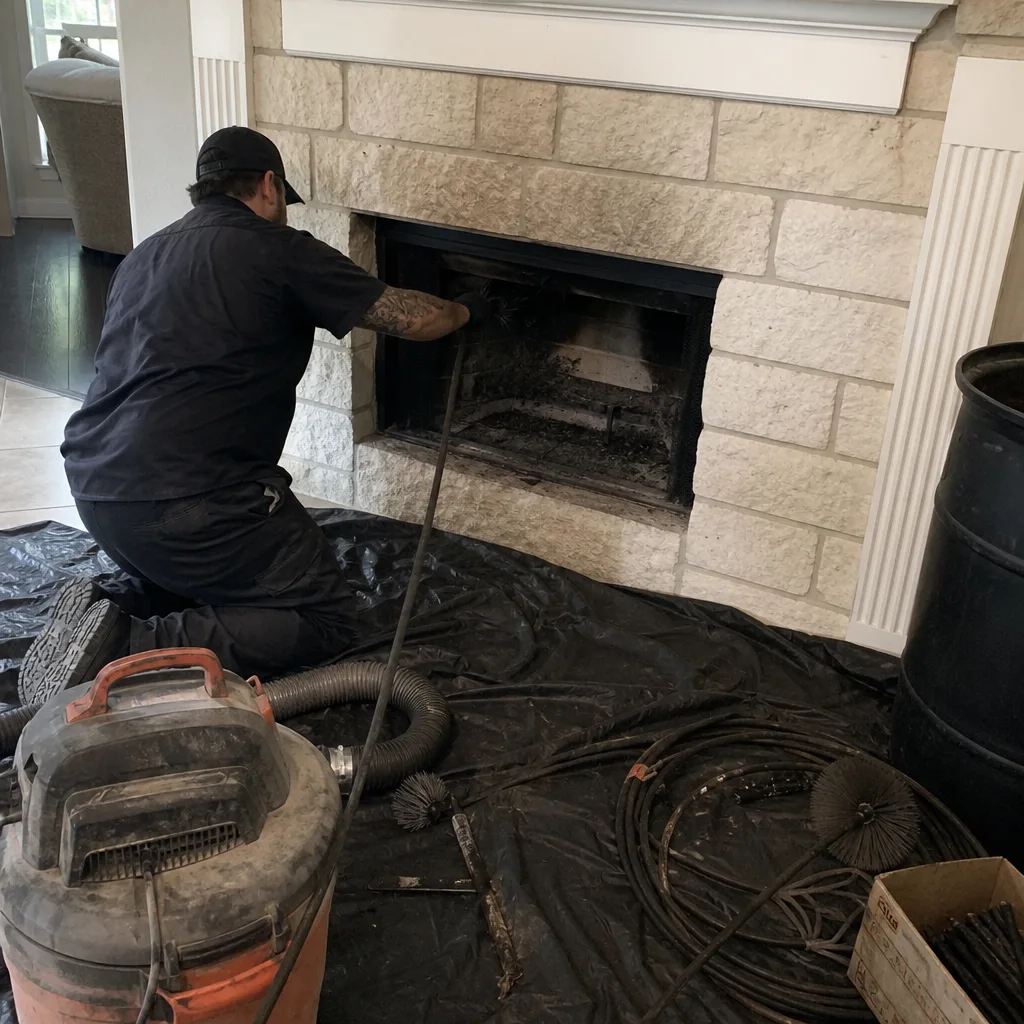 Before
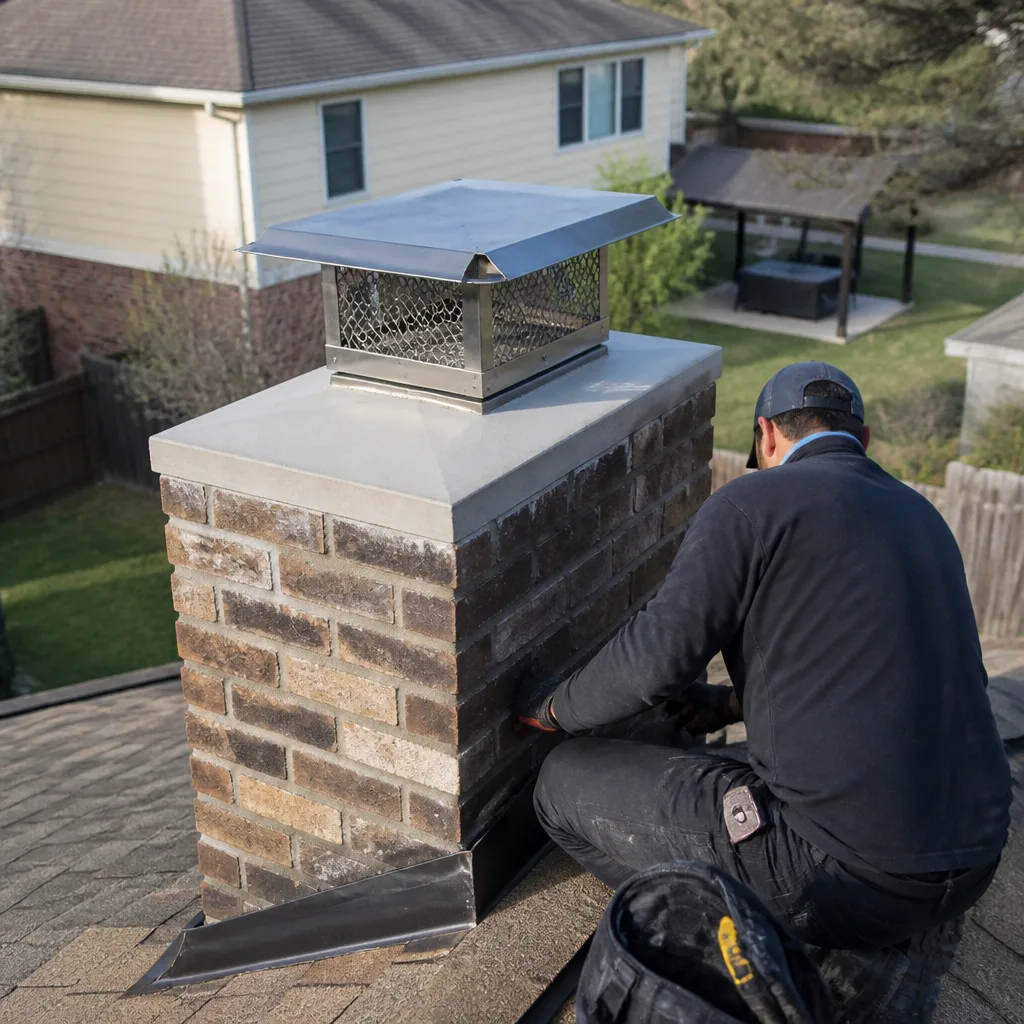 After
After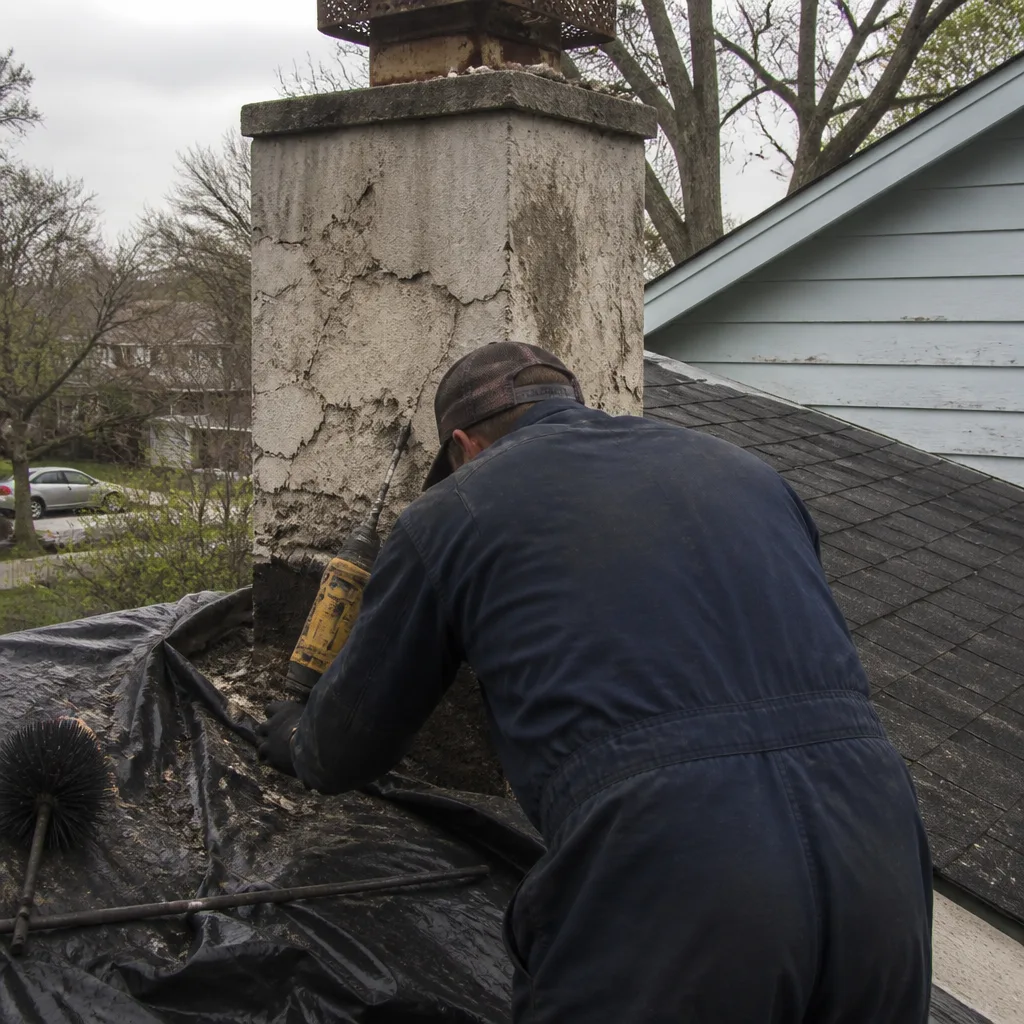 Before
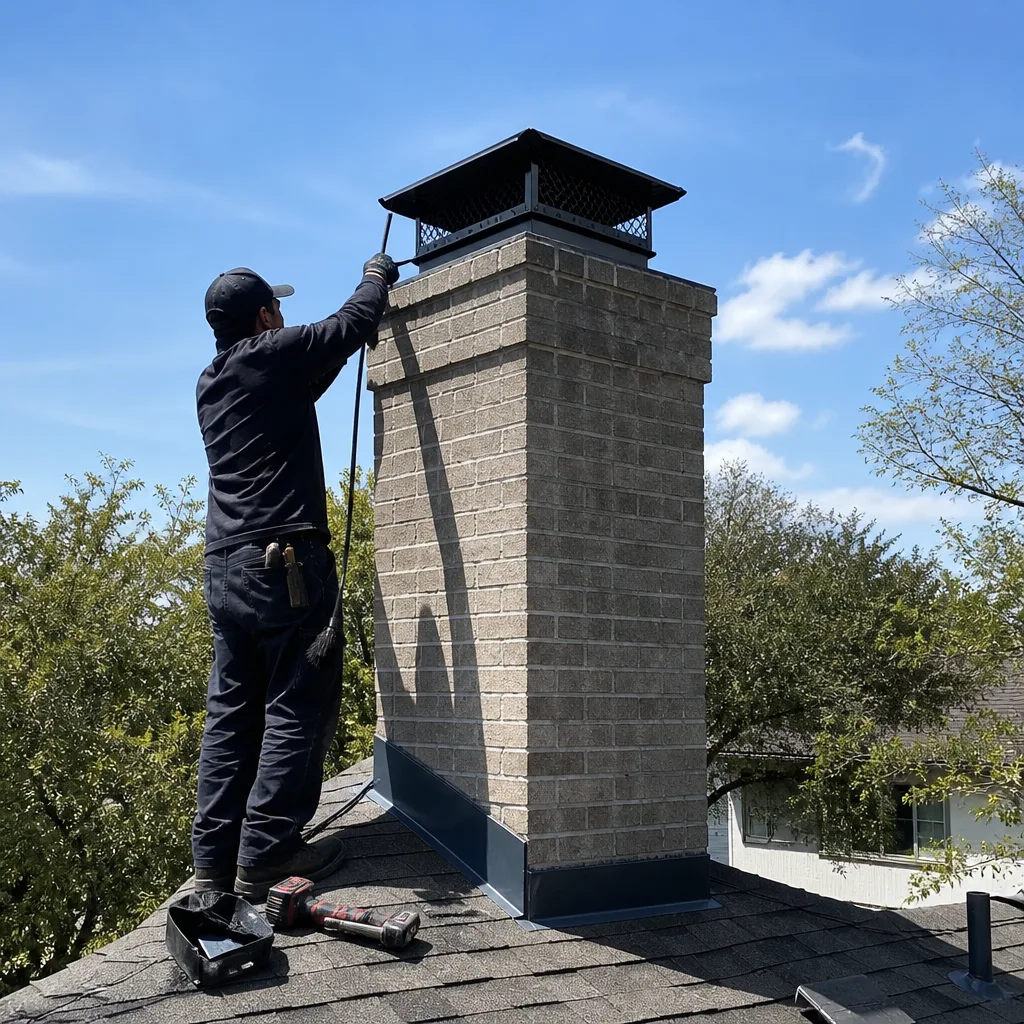 After
After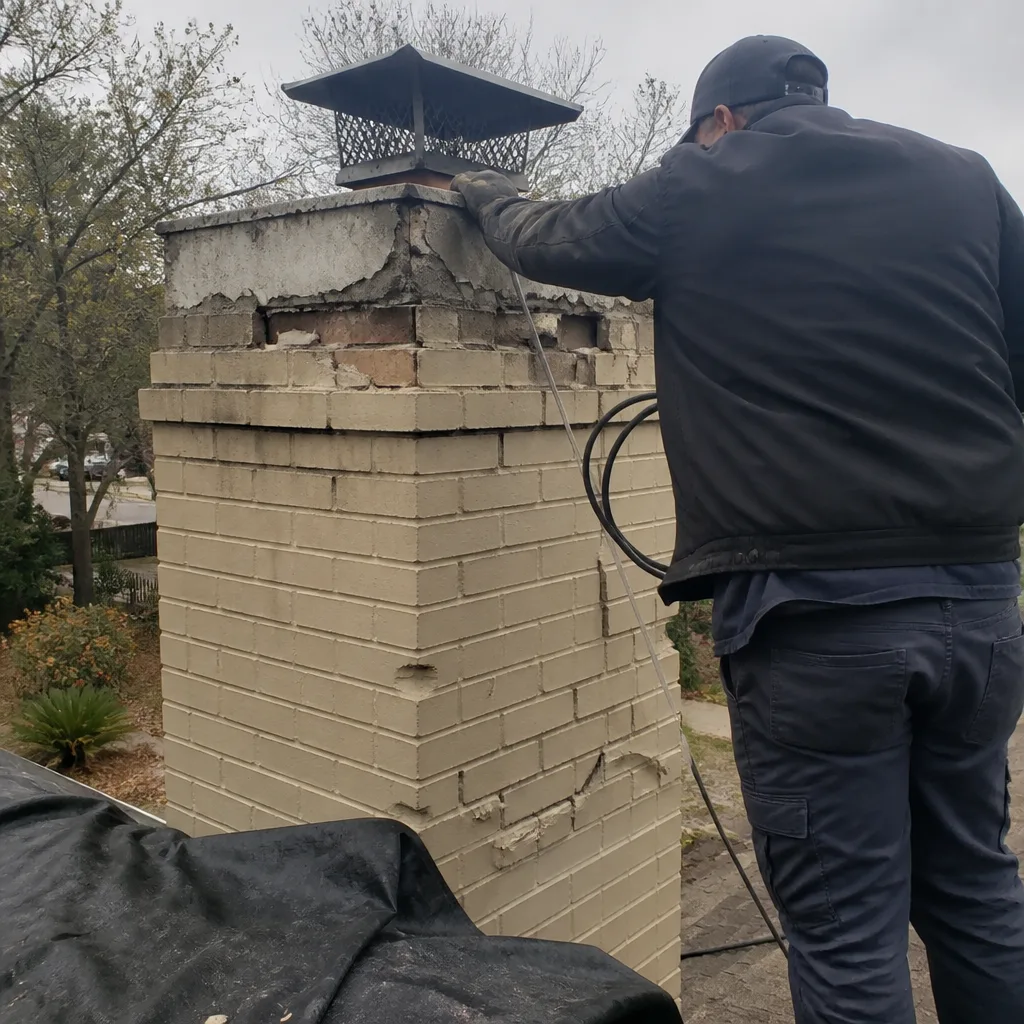 Before
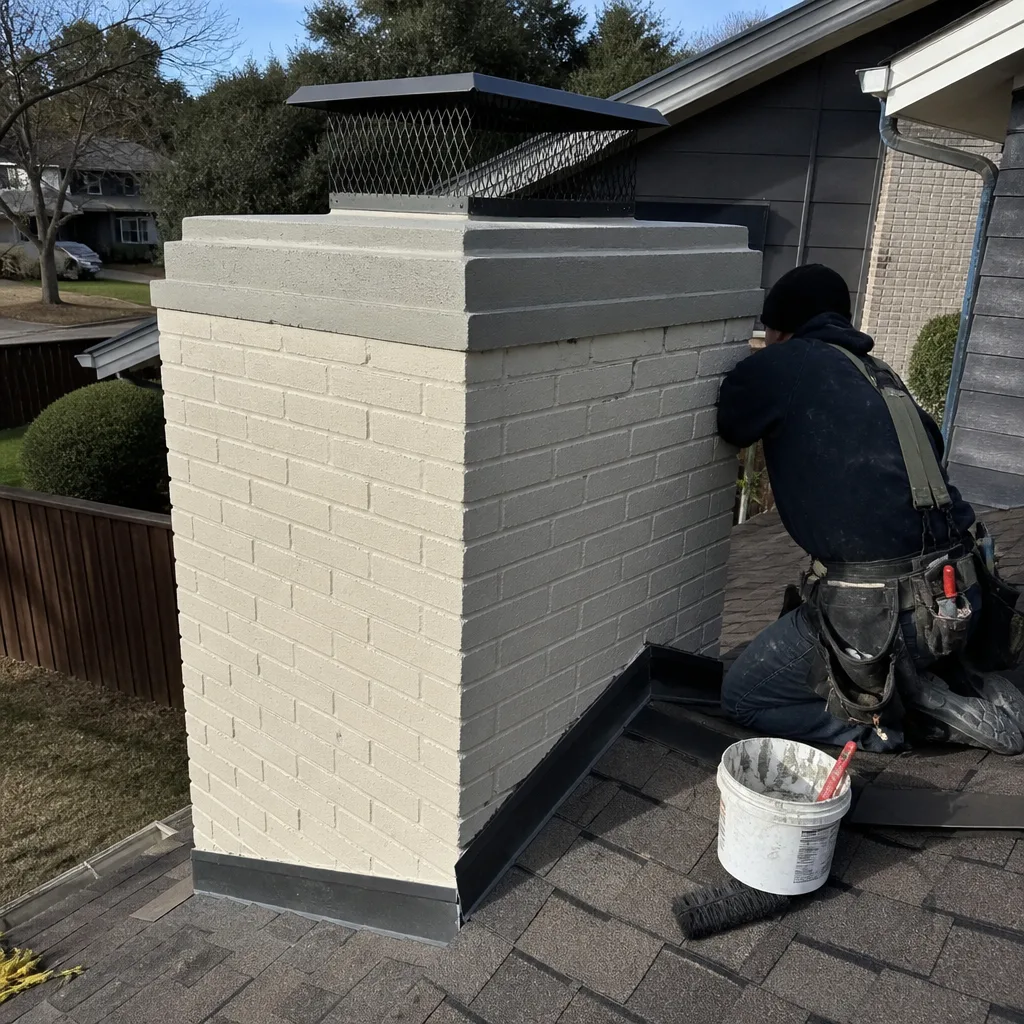 After
AfterWhen to Call a Professional
Call a professional if your damper is rusted in place, if you see water streaks or efflorescence on the firebox, if you hear animals in the flue, if a hailstorm has hit your area with stones over an inch, if you see loose debris on the smoke shelf after a sweep, or if it’s been more than three years since anyone put a camera down your flue. You should also call if you’re buying or selling a home in Fort Worth and the chimney has no documentation. Flint Chimney Co Fort Worth offers free estimates in Fort Worth – call (682) 255-2144 and we’ll put everything in writing before any work starts.
Frequently Asked Questions
A standard chimney sweep in Fort Worth typically costs $189 – $329 depending on flue height, creosote buildup, and whether the smoke chamber and smoke shelf are included. Low-bid sweeps under $150 usually skip the smoke shelf and cap inspection. Call (682) 255-2144 for a written quote – the price you’re quoted is the price you’ll pay.
The National Fire Protection Association standard is to sweep when creosote buildup reaches 1/8 inch, which for most Fort Worth homes that burn seasoned wood throughout fall and winter is once per year. Homes that burn unseasoned wood or use the fireplace daily may need a mid-season sweep. The rule isn’t calendar-based; it’s buildup-based.
Not necessarily, but a small crack never stays small forever. Minor clay tile cracking can sometimes be addressed with a resurfacing system like HeatShield or Gelco, which costs less than a full DuraFlex stainless relining. The only way to know is a camera inspection that shows the full extent of the damage. Don’t accept a liner replacement recommendation without seeing the footage.
Creosote accumulates, water finds its way in through failed mortar or a damaged cap, and over time you get a chimney fire risk from the creosote or masonry failure from the water. In Fort Worth, where summer heat and spring rain both work against the brick, skipped maintenance typically shows up first as water staining on the firebox and a musty smell in the living room. The repair bill grows with every season it’s ignored.
Partially, yes. A flashlight and a step stool let you check the firebox, damper, and lower flue for obvious failures. What you can’t do without equipment is see the upper flue, smoke chamber parging, or cap and crown up close. That’s why we recommend a professional camera inspection every 2 – 3 years as the baseline, with your own checks in between.
The Garrison Standard is the operating code that Flint Chimney Co Fort Worth follows as part of the Garrison Partners family, founded in 2002. It means every job gets a written price before work starts, every repair carries a 365-day written guarantee, and if a covered repair fails within that year, we return at no charge. Hank Delano runs the Fort Worth operation under that standard.
The Bottom Line
A maintenance checklist only helps if it tells you what passes and what fails. Now you have that for the flue liner, the damper, the cap, the mortar joints, and the three items most sweeps skip. You know what to look for after a Fort Worth hailstorm and what summer heat does to mortar. You know what you can verify yourself and what requires a camera. The next step is to do the twenty-minute check, write down what you find, and if anything fails, call (682) 255-2144 for a free estimate. Browse our more guides & resources for year-round chimney care. We’ll put the price in writing before any work starts, and every repair carries a full-year written guarantee.
Written by Hank Delano, Owner at Flint Chimney Co Fort Worth, serving Fort Worth since 2002.