

Last updated October 15, 2026
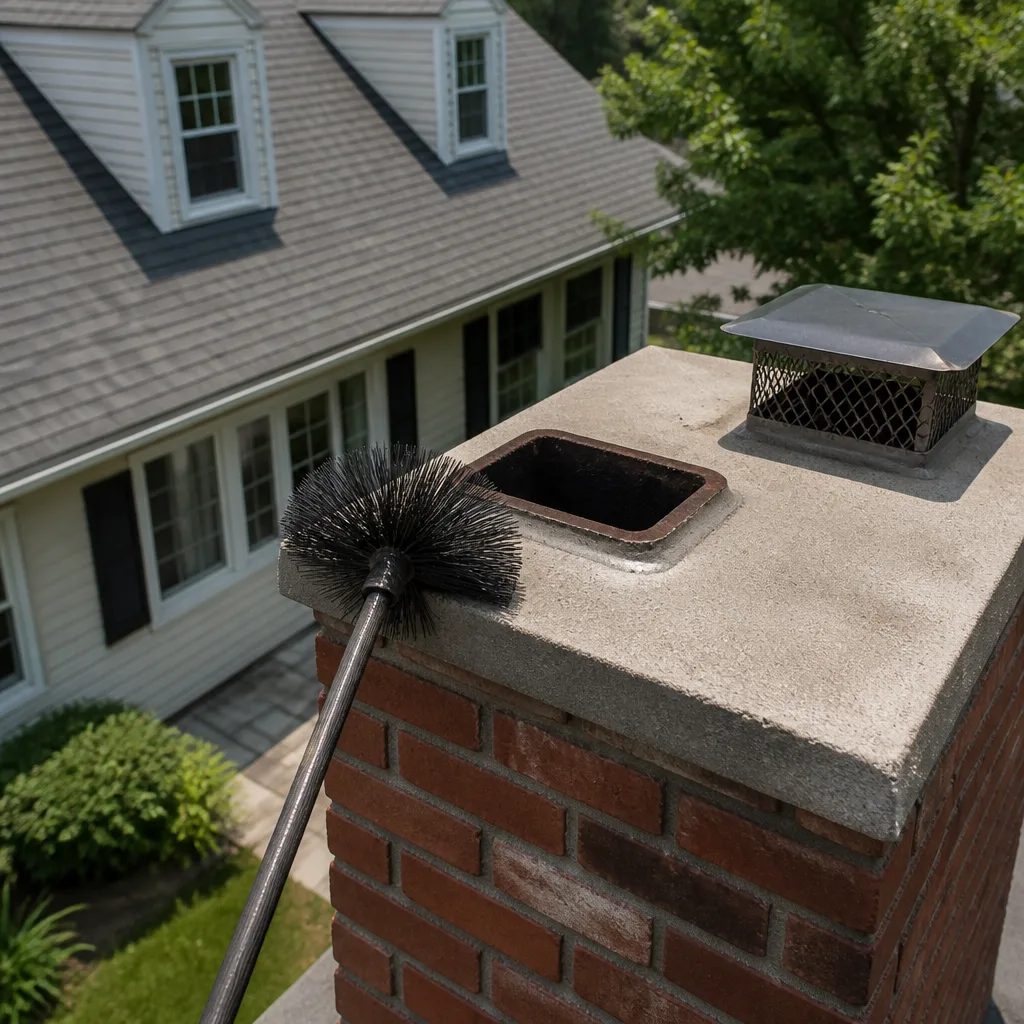 Sweep & inspection
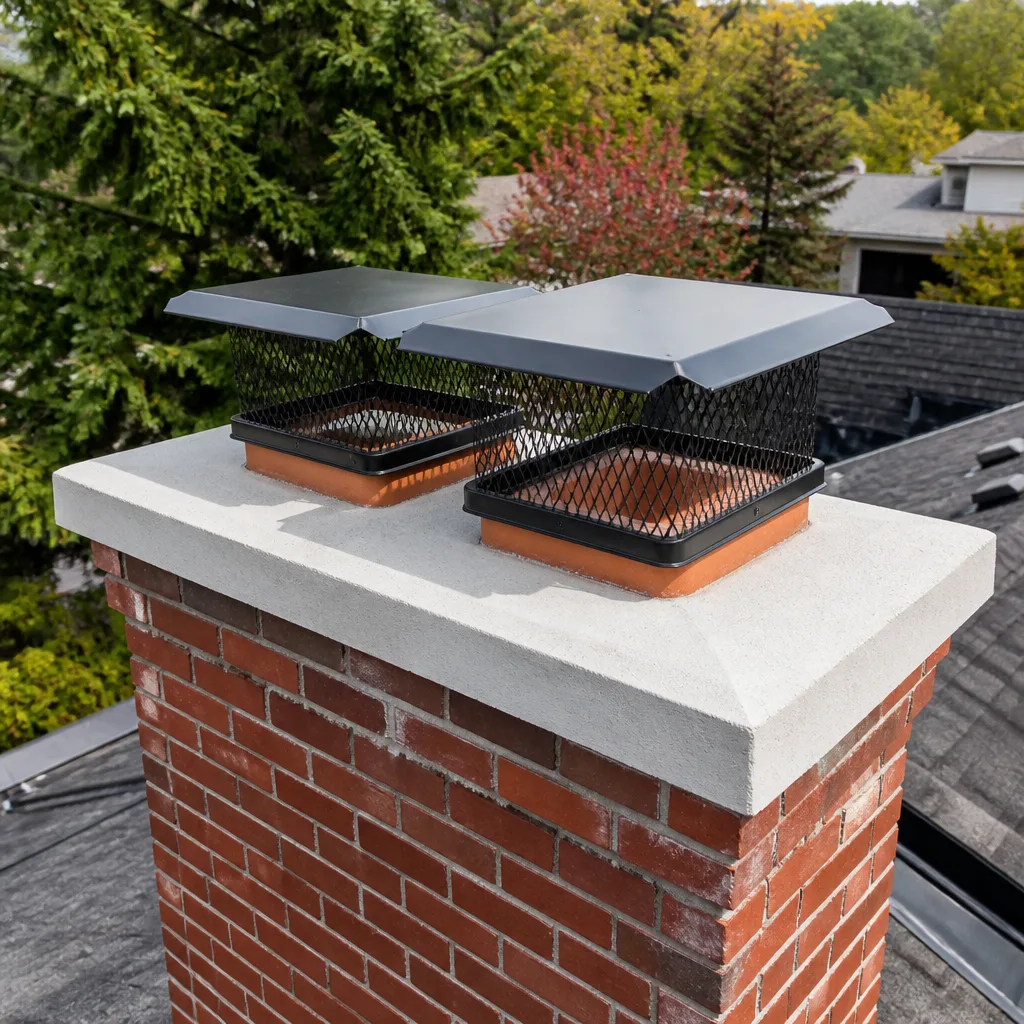 Caps & crowns
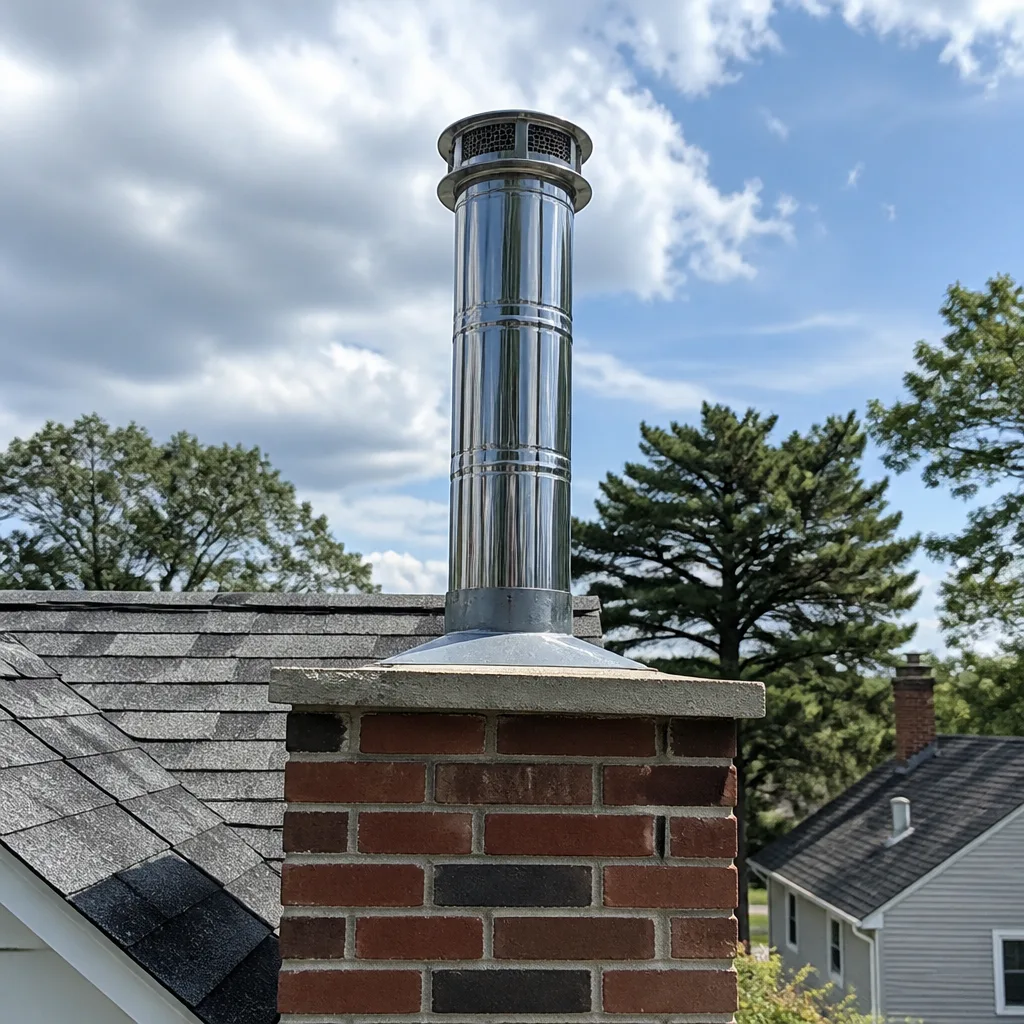 Flue relining
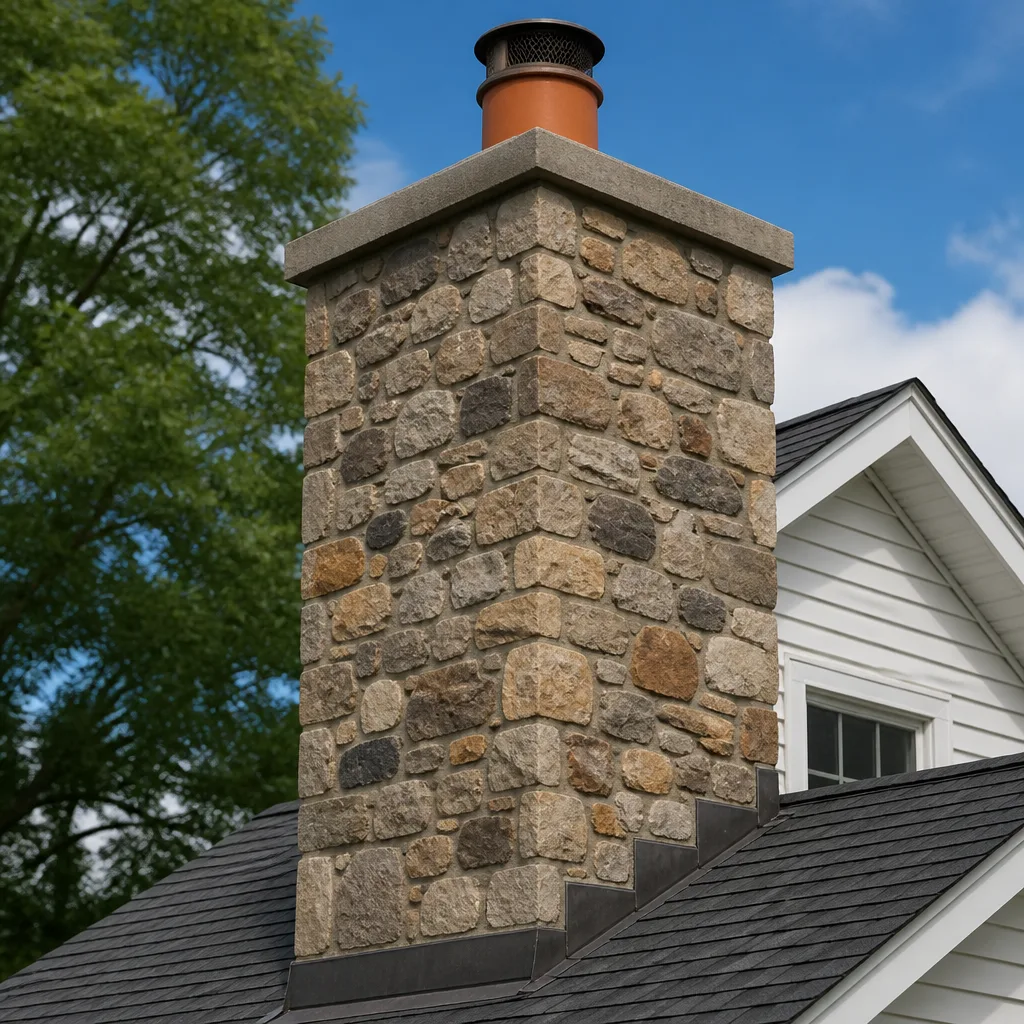 Masonry repair
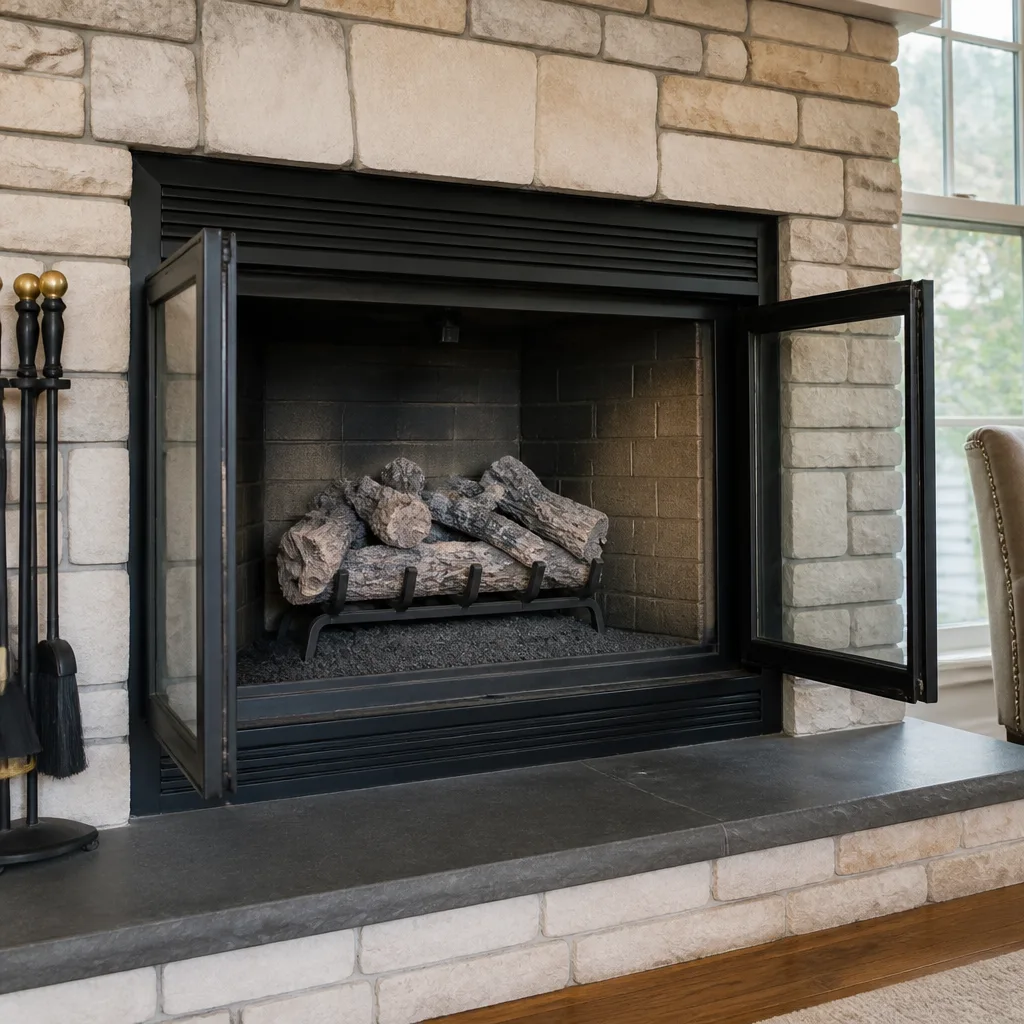 Gas fireplace service
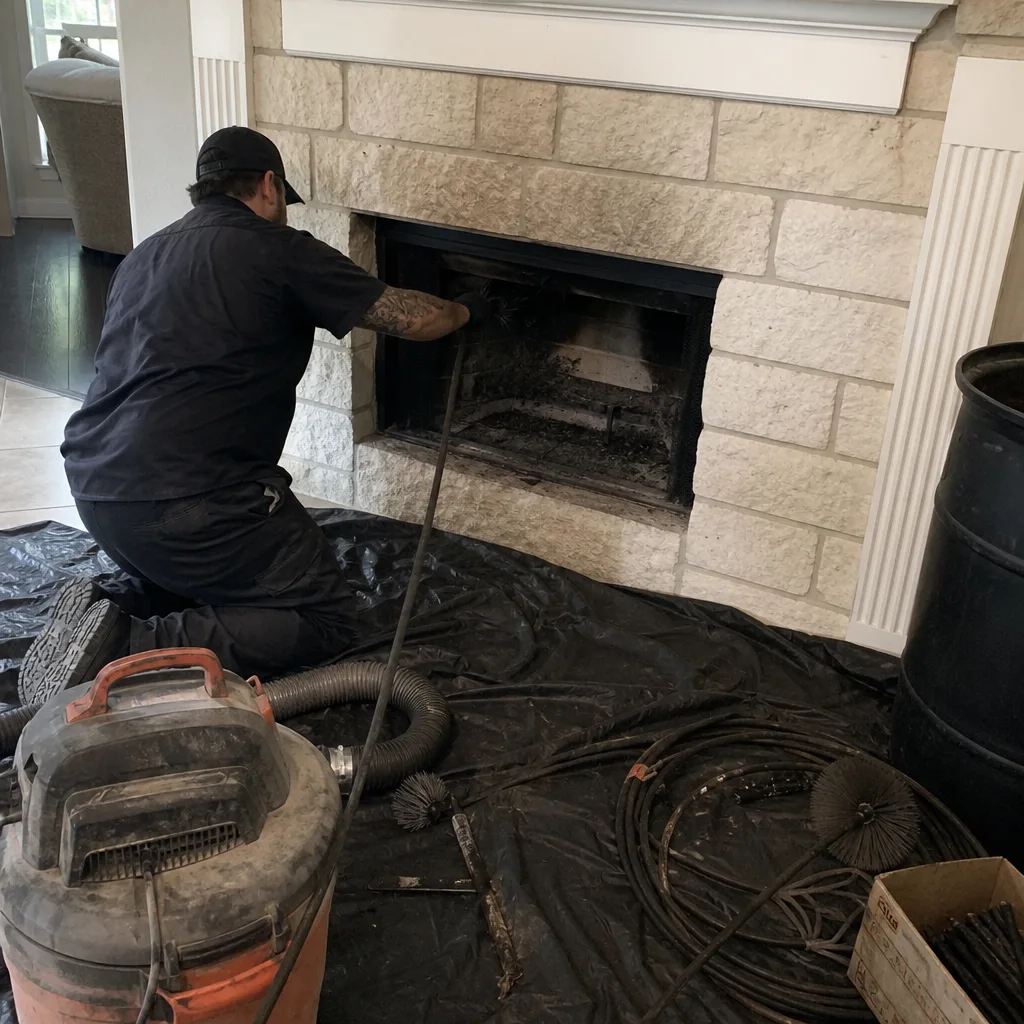
Level 1 sweep and inspection to the NFPA 211 annual standard - flue, crown, cap, and flashing checked and photographed
Chimney sweep logs do not sweep chimneys. They loosen some creosote - which then falls where a brush and vacuum still have to collect it.
Chimney Cleaning Permits, Codes & Inspections in TX: What You Need to Know
A chimney relining job in Fort Worth can run $2,500 to $5,000 and require a mechanical permit, but most homeowners sign the work order without ever asking whether a permit is needed. That one question changes everything. It determines whether your insurance will cover a chimney fire, whether your home passes a future resale inspection, and whether the repair is legal at all. Texas treats chimney cleaning and chimney repair very differently under the law, and the line between them is where the money is lost or saved. This guide walks you through the exact thresholds, the Fort Worth permitting process, the code standards that matter, and the insurance consequences most contractors never mention.
Styles & brands we work with
Quick Answer
Chimney cleaning (a sweep) does not require a permit anywhere in Texas, including Fort Worth. But repairs that come out of a cleaning often do: relining, firebox rebuilds, and structural masonry work can trigger mechanical or building permit requirements under the International Residential Code (IRC) as adopted by Texas. Know the threshold before you sign, because unpermitted work discovered after a fire is the fastest way to have a claim denied.
Table of Contents
- When a Chimney Cleaning Needs a Permit (and When It Doesn’t)
- The Texas Code Foundation: IRC, NFPA 211, and What Local Jurisdictions Can Change
- Fort Worth Development Services: How Chimney Mechanical Permits Actually Work
- The Repair Thresholds: Which Common Chimney Jobs Cross the Permit Line
- Insurance Consequences of Unpermitted Chimney Work
- What a Fort Worth Chimney Inspection Actually Covers
- NFPA 211 in Plain Words: What It Mandates and Where It Stops
- Common Mistakes to Avoid
- When to Call a Professional
- Frequently Asked Questions
- The Bottom Line
When a Chimney Cleaning Needs a Permit (and When It Doesn’t)
A routine chimney sweep is classified as maintenance, not construction. That means no permit, no inspection, no filing with the City of Fort Worth. The work is non-invasive: brushes and vacuum equipment remove creosote and soot from the flue without altering any component of the chimney system. Texas building codes treat it the same way they treat changing an air filter or flushing a water heater. No permit, no paperwork. That holds true in Houston, Dallas, Austin, San Antonio, and every other incorporated city in the state.
The permit question appears the moment the sweep finds something wrong. And in our experience, sweeps find something wrong on a meaningful percentage of Fort Worth homes, especially in older neighborhoods like Ridglea Hills, Monticello, and the TCU area, where masonry chimneys date back to the 1950s and 1960s. Cracked flue tiles, spalling brick, animal damage, and rusted dampers are common. The second the repair involves changing the structure or function of the chimney, it stops being maintenance and becomes alteration. That’s the legal threshold.
Here is the distinction in plain terms:
- No permit needed: sweeping, creosote removal, soot and debris removal, minor firebox cleaning, damper lubrication, inspection.
- Permit likely needed: flue relining, firebox rebuild, smoke chamber parging (recoating the angled section above the firebox), chimney crown replacement, masonry rebuild of any section, changing vent size or type.
The rule is simple: if material is being removed and replaced, that’s alteration. If the chimney is being restored to proper function without changing what’s there, that’s maintenance. Fort Worth enforces this under Chapter 11 of the International Residential Code, which the state adopted with local amendments.
The Texas Code Foundation: IRC, NFPA 211, and What Local Jurisdictions Can Change
Texas is a home-rule state when it comes to building codes. That means the state sets a baseline, and cities like Fort Worth adopt that baseline with local amendments. The baseline is the International Residential Code (IRC), which governs one- and two-family dwellings, and the International Building Code (IBC), which governs larger structures. Both have dedicated chapters on chimneys and fireplaces that specify clearances, materials, flue sizing, and installation requirements.
But the IRC doesn’t tell you everything about how a chimney system should perform. For that, Texas and most jurisdictions defer to NFPA 211, the National Fire Protection Association’s “Standard for Chimneys, Fireplaces, Vents, and Solid Fuel-Burning Appliances.” NFPA 211 is the technical standard that defines what “done right” means: the clearance between a chimney and combustible framing, the minimum height of a chimney above a roof, the condition a flue liner must be in to safely carry exhaust, and the inspection intervals that keep systems safe. It’s a model code, meaning it has no legal force until a jurisdiction adopts it. Texas has done so by reference in the state’s administrative code and cities like Fort Worth enforce it through their permit and inspection processes.
What NFPA 211 mandates, in plain words:
- Chimneys must be inspected at least once a year and cleaned as needed.
- Any appliance connected to a flue must have a flue sized correctly to the appliance’s output. No attaching a high-output wood stove to a flue built for a small fireplace.
- Flue liners must be continuous and free of cracks, gaps, or spalling (crumbling) that would let heat or combustion gases reach combustible materials.
- Chimneys must extend at least 3 feet above the point where they exit the roof and at least 2 feet above any structure within 10 feet. This keeps exhaust from re-entering the home or igniting the roof.
What NFPA 211 does NOT define is permitting. It’s a technical standard, not an administrative code. The authority to require a permit, charge a fee, and send an inspector belongs to the city. Fort Worth exercises that authority through its Development Services Department and the mechanical permit process described below.
Fort Worth Development Services: How Chimney Mechanical Permits Actually Work
Fort Worth Development Services handles chimney-related permits under the mechanical permit category. A mechanical permit covers work on vents, flues, and exhaust systems, including the chimney components that move combustion gases. For a typical residential chimney relining or smoke chamber parging job, that means a mechanical permit application, a fee based on project value, and at least one inspection when the work is complete.
Here’s the step-by-step, based on how Fort Worth processes these applications:
- Project valuation. The contractor or homeowner estimates the total cost of the chimney work, including materials and labor. The permit fee in Fort Worth is calculated from that valuation.
- Application filing. The permit application goes to Fort Worth Development Services at 200 Texas Street in downtown. It includes the scope of work, the address, and the contractor’s state license number if one is required for the work type.
- Plan review (if required). Most residential chimney relining and firebox repairs sail through over-the-counter review. Large alterations, like changing the structure of the chimney or installing a new masonry firebox, may need a more formal plan review.
- Work proceeds. Once the permit is issued, the contractor performs the work on the permitted scope. This is the critical window: doing work outside the permitted scope is a code violation, not just a paperwork problem.
- Inspection scheduling. The contractor or homeowner calls the inspection request line. In most cases, the inspection happens within 24 to 72 hours of the completed work.
- Final inspection. A Fort Worth mechanical inspector verifies that the work matches the scope on the permit and meets the applicable IRC and NFPA 211 requirements. For a reline, that means checking the flue size, the material (typically a listed product), and the termination at the top.
We’ve seen homeowners in Fort Worth try to skip steps 2 through 5 to save a few hundred dollars in permit fees. The risk is not the permit fee. The risk is what happens when the unpermitted work is discovered later. See the insurance section below for that reality check.
The Repair Thresholds: Which Common Chimney Jobs Cross the Permit Line
The practical problem for a Fort Worth homeowner is that the line between maintenance and alteration isn’t always obvious. A chimney sweep points to a cracked flue tile and says, “That needs a liner.” The homeowner hears “repair,” signs the quote, and never asks whether the work is permitted. Here’s how the most common chimney jobs shake out, repair by repair.
Flue relining (replacing the inner liner that channels smoke safely out of the house). This is alteration, nearly always. The liner is a structural component of the chimney system. Removing it and installing a new one changes how the chimney functions. Whether the new liner is a stainless product like a DuraFlex reline system or a resurfacing product like HeatShield, the permit requirement in Fort Worth is the same. Resurfacing (spraying a ceramic coating over the old flue) is a gray area in some cities, but Fort Worth treats any change to the liner as mechanical work that requires a permit when the liner’s condition is part of the repair scope.
Firebox rebuild. The firebox is the brick-lined chamber where the fire actually burns. Rebuilding it means removing firebrick and refractory panels and replacing them. That is masonry alteration. In Fort Worth, this typically requires a building permit rather than a mechanical permit, because the firebox is part of the masonry structure of the chimney. The permit requirement also applies when firebrick is changed out wholesale. Repointing a few loose joints is maintenance; rebuilding is alteration.
Chimney crown replacement. The crown is the concrete slab at the top of the chimney that keeps water from getting into the brick. Replacing a cracked or spalled crown means removing the old material and pouring new. This is structural repair and requires a permit in Fort Worth. It’s also one of the most common post-sweep recommendations, because water intrusion from a bad crown is the leading cause of flue liner damage in North Texas.
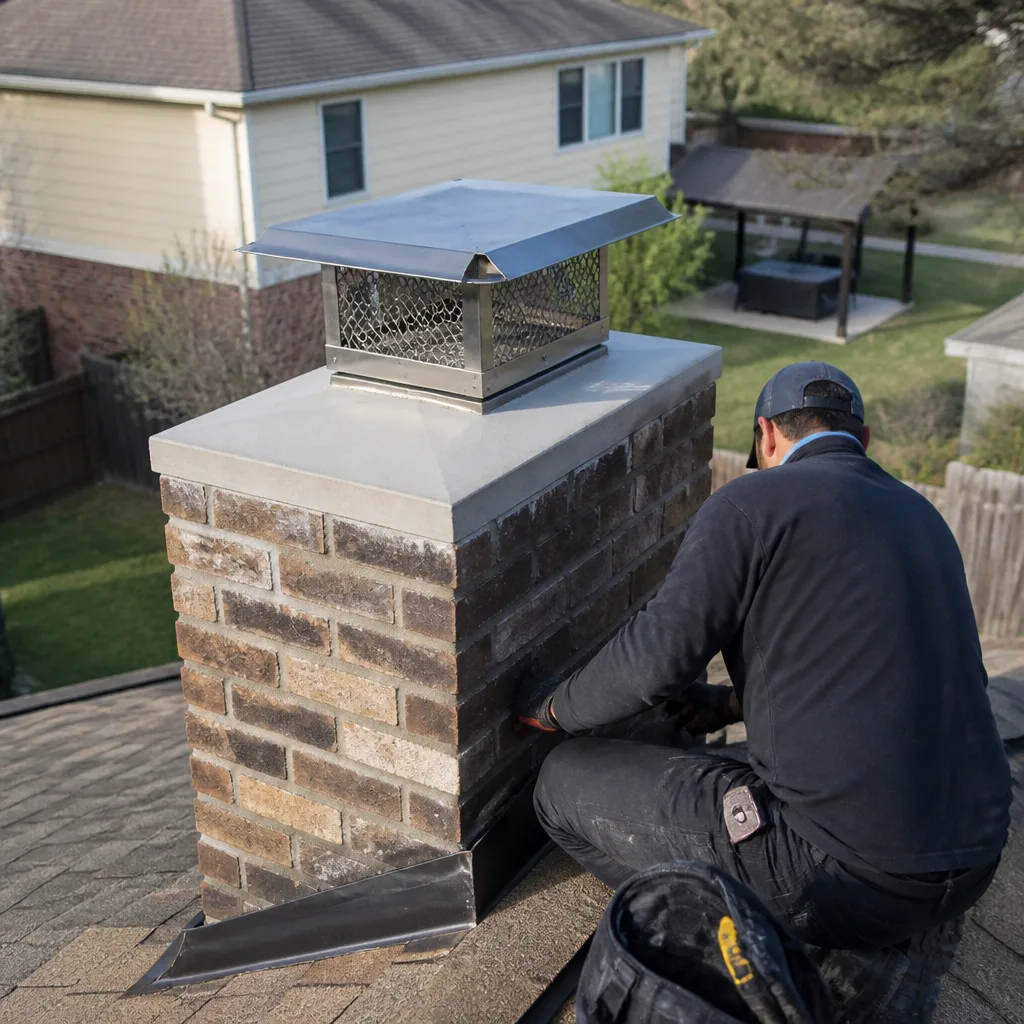
Cap installation. A chimney cap (the metal cover at the flue top that keeps out rain, animals, and debris) is a replaceable accessory. Installing a cap on an existing flue does not alter the chimney system and does not require a permit in Fort Worth. We install caps from Olympia Chimney and Gelco, and no permit is needed for a standard stainless or copper cap on an existing flue. The one exception is when the cap changes the flue’s draft characteristics enough to require an engineering review, which is rare on a residential chimney.
Smoke chamber parging. The smoke chamber is the angled section above the firebox that funnels smoke into the flue. Parging is recoating that surface with a smooth refractory mortar, often with a HeatShield chamber coating. This is preventive work, but it makes a permanent change to the chimney’s interior. In Fort Worth, parging alone (without a liner change) usually doesn’t trigger a permit because the work isn’t structural and the flue itself is unaltered. But it’s another gray zone worth confirming with the Development Services counter before any money moves.
Insurance Consequences of Unpermitted Chimney Work
The most expensive mistake a Fort Worth homeowner can make isn’t a bad repair. It’s a good repair with no permit. Here’s what actually happens, step by step, when a chimney fire damages a home and the insurance adjuster finds unpermitted chimney work.
First, the adjuster reviews the cause of loss. A chimney fire typically starts when creosote ignites inside the flue and extends into the home through cracks, gaps, or failed liner sections. The adjuster then requests the chimney’s inspection and repair history. If that history shows recent relining or firebox work with no corresponding city permit, the adjuster flags the file for coverage review.
The insurance company then cites one of two policy provisions. The first is the exclusion for damage caused by “faulty, inadequate, or defective workmanship, repair, construction, or maintenance.” The argument is that unpermitted work is, by definition, unverified work, and unverified work caused the loss. The second is the concealment or fraud provision, which applies when a homeowner fails to disclose material changes to the property. The insurer doesn’t have to prove the unpermitted work caused the fire. It only has to show that the work changed the risk profile and the homeowner knew about it.
We’ve seen the outcome on Fort Worth claims in neighborhoods like Ryan Place and Oakhurst, where older chimneys are the norm. The claim is denied for the chimney damage itself, and in some cases the entire fire claim is contested. The homeowner is left paying for the rebuild out of pocket, and the carrier has a coverage position on record that makes future claims harder. The cost of the permit that would have prevented all of it: roughly $150 to $400, depending on project valuation.
The math is simple. A $180 chimney sweep (see our sweep pricing here) that finds a cracked flue leads to a $3,500 reline quote. The permit adds about $200. Skipping the permit to save that $200 risks a $40,000 to $80,000 uninsured fire loss. That’s not a trade any disciplined contractor should let you make.
What a Fort Worth Chimney Inspection Actually Covers
A chimney inspection in Fort Worth is not a sweep. A sweep is cleaning. An inspection is a documented assessment of the system’s condition against NFPA 211 and IRC standards. When we perform a chimney inspection for Fort Worth homeowners, the process produces a written report that identifies what’s safe, what’s marginal, and what needs repair. The report is the document that determines whether a future permit is needed.
There are three levels of inspection defined by NFPA 211. Level 1 is the standard annual check: accessible portions of the chimney interior and exterior, checking for creosote buildup, visible damage, and proper installation. Level 2 adds more scrutiny and is required when a property is being sold, when the appliance is being changed, or after a chimney fire. Level 2 typically involves internal video scanning of the flue. Level 3 is invasive: opening walls or ceilings to inspect concealed portions of the system. Level 3 is rare and reserved for cases where Level 1 or 2 found a problem that can’t be diagnosed without demolition.
Here’s the step-by-step of what a proper Fort Worth chimney inspection looks like:
- Exterior visual. Check the chimney stack from the ground: mortar joints, brick condition, crown, flashing, and clearance from the roof surface.
- Interior flue scan. Run a camera from the top of the flue down to the firebox and from the firebox up. Look for cracked flue tiles, gaps, animal nests, and creosote stage.
- Firebox and damper check. Firebox refractory condition, damper operation, and smoke chamber surface condition.
- Appliance connection check. For any connected wood stove or insert, verify flue size, connector type, and clearance to combustibles.
- Report. Written findings with recommendations and photos. Every recommendation includes a yes/no on whether the work requires a permit, because that’s the question most contractors won’t answer.
An inspection report that documents current condition is the homeowner’s best defense if a fire does occur. It proves the system was professionally maintained, which matters when the adjuster asks the first question: “When was this chimney last inspected?”
NFPA 211 in Plain Words: What It Mandates and Where It Stops
NFPA 211 is a 200-page technical standard that most homeowners will never read, but its core requirements are directly relevant to every chimney decision in Texas. Understanding what it covers, and what it deliberately leaves out, prevents two opposite errors: assuming nothing is regulated (and skipping a needed permit) or assuming everything is regulated (and paying for permits that don’t exist).
What NFPA 211 mandates, in plain words:
- Annual inspection. Section 15.2 calls for inspection of chimneys, fireplaces, and vents at least once per year and cleaning as needed. The inspection interval is not optional.
- Flue sizing compliance. The flue serving any appliance must have a cross-sectional area at least one-tenth the area of the fireplace opening, with specific ratios for masonry and factory-built systems. This is why changing from a wood-burning fireplace to a high-efficiency insert often requires a liner size change – and a permit.
- Liner condition standard. A liner is deficient if it has open cracks exceeding one-eighth inch, missing pieces, or spalling that exposes the masonry behind it. A deficient liner is a code failure, not a maintenance note.
- Clearance to combustibles. Combustible materials (studs, sheathing, attic insulation) must be kept 2 inches from exterior masonry chimneys and 1 to 4 inches from interior chimneys depending on flue type. This is measured and verified during a permitted installation.
- Chimney height. The 3-foot/2-foot/10-foot rule described above is mandatory. A chimney that doesn’t meet it is a code violation, regardless of whether it works adequately.
What NFPA 211 stops short of:
- Permitting. The standard defines what must be true about a safe chimney. It does not say which repairs require a building department permit. That is a local government decision.
- Pricing. No code standard sets what a sweep or repair should cost. The $180 to $350 range for a standard sweep and $2,500 to $5,000 for a typical reline are market prices in the Fort Worth area, not code figures.
- Enforcement. NFPA 211 has no enforcement mechanism. A city inspector enforces the code as adopted locally. A fire marshal investigates after a incident. The standard itself is reference text, not police power.
That last point matters. When a Fort Worth contractor says “this meets code,” the question is which code, and whether the city has actually inspected the work. A verbal assurance is not a code clearance. A signed permit inspection is.
Common Mistakes to Avoid
- Assuming a sweep covers everything. A chimney sweep is cleaning, not a permit review. A licensed, diligent sweep will flag the problems they see, but confirming permit requirements requires asking the specific question in writing.
- Skipping the permit to save the fee. The typical Fort Worth mechanical permit for chimney relining costs a few hundred dollars. The uninsured loss after a fire is measured in tens of thousands. The fee is not the variable that matters.
- Letting the contractor decide unilaterally. Some contractors in Texas will tell you a reline doesn’t need a permit “for this scope.” That assessment should come from the Development Services counter or the contractor’s written permit determination, not from someone who stands to close the sale.
- Paying for permits on cap-only jobs. Installing a standard chimney cap from Olympia Chimney or Gelco on an existing flue is maintenance and does not require a permit in Fort Worth. Be wary of any contractor who adds a permit fee to a cap-only bid.
- Ignoring the inspection after the permit is pulled. Getting the permit is step one. Scheduling and passing the final inspection is the step that actually protects you. An unclosed permit is a red flag on a resale and an open question in a claim.
- Using a sweep report as an insurance document. A sweep receipt shows the chimney was cleaned. An inspection report from a proper Fort Worth chimney inspection shows condition, findings, and recommendations. Only the second is useful if you ever need to prove maintenance in a claim.
- Waiting for the “burning season” to inspect. Fall is the worst time to get a chimney repaired in North Texas. The wait for a reline can stretch six to eight weeks in October and November. A spring inspection gives you time to get a permit, schedule work, and pass inspection before the first fire.
When to Call a Professional
Call a chimney professional if any of the following is true: your chimney has never been inspected since you bought the home, you see water stains on the ceiling near the chimney, you smell smoke in the house after a fire has been burning for more than an hour, your sweep reported cracked flue tiles or missing mortar, or your home is in an older Fort Worth neighborhood with original masonry construction. These are all signs of a system that needs a documented assessment. A chimney sweep in Fort Worth rarely requires a permit. A repair that follows it often does. Flint Chimney Co Fort Worth offers free estimates in Fort Worth – call (682) 255-2144 and we’ll tell you plainly whether the work crosses the permit line before any money is committed.
Frequently Asked Questions
No. A chimney sweep is maintenance work and does not require a permit anywhere in Texas, including Fort Worth. Permits enter the picture only when the sweep finds damage that requires repair or alteration of the chimney system.
A standard chimney sweep in Fort Worth typically runs $180 to $350 depending on the chimney’s size, accessibility, and condition. A sweep with a Level 2 inspection usually runs $350 to $500. The price is flat and written before work starts.
In Fort Worth, flue relining, firebox rebuilds, chimney crown replacement, and masonry rebuilds require mechanical or building permits. Cap installation, damper repair, and routine maintenance do not. When in doubt, ask the question and get the answer in writing from the permit office.
Yes. Replacing a flue liner, whether with a stainless system like DuraFlex or a resurfacing system like HeatShield, is alteration of the chimney system and requires a mechanical permit in Fort Worth. The permit fee is a small fraction of the repair cost and protects the repair’s insurability.
You can, but you shouldn’t. An uninspected chimney can hide cracked flue tiles, animal nesting, or excessive creosote that turns a routine fire into a chimney fire. NFPA 211 calls for inspection at least once a year. A Fort Worth inspection costs less than the deductible on most homeowners policies.
The homeowner’s insurance claim is likely to be denied. The insurer will cite the policy exclusion for defective workmanship or the concealment provision, because unpermitted work changes the property’s risk profile without the carrier’s knowledge. The homeowner pays for the rebuild out of pocket. The permit fee that would have prevented it: roughly $150 to $400.
The Bottom Line
Chimney cleaning in Texas never requires a permit. The repairs discovered during a cleaning often do, and the line between them is where Fort Worth homeowners either overspend on unnecessary permits or accept unpermitted work that carries real insurance risk. The cost of asking is zero. The cost of not asking is measured in tens of thousands of dollars. A written inspection report, a permit when the scope requires it, and a final inspection by the city are the three cheap things that protect an expensive asset. That’s the standard we hold ourselves to, and it’s the standard every Fort Worth homeowner should demand.
Written by Hank Delano, Owner at Flint Chimney Co Fort Worth, serving Fort Worth since 2002.
See the difference
 Before
 After
After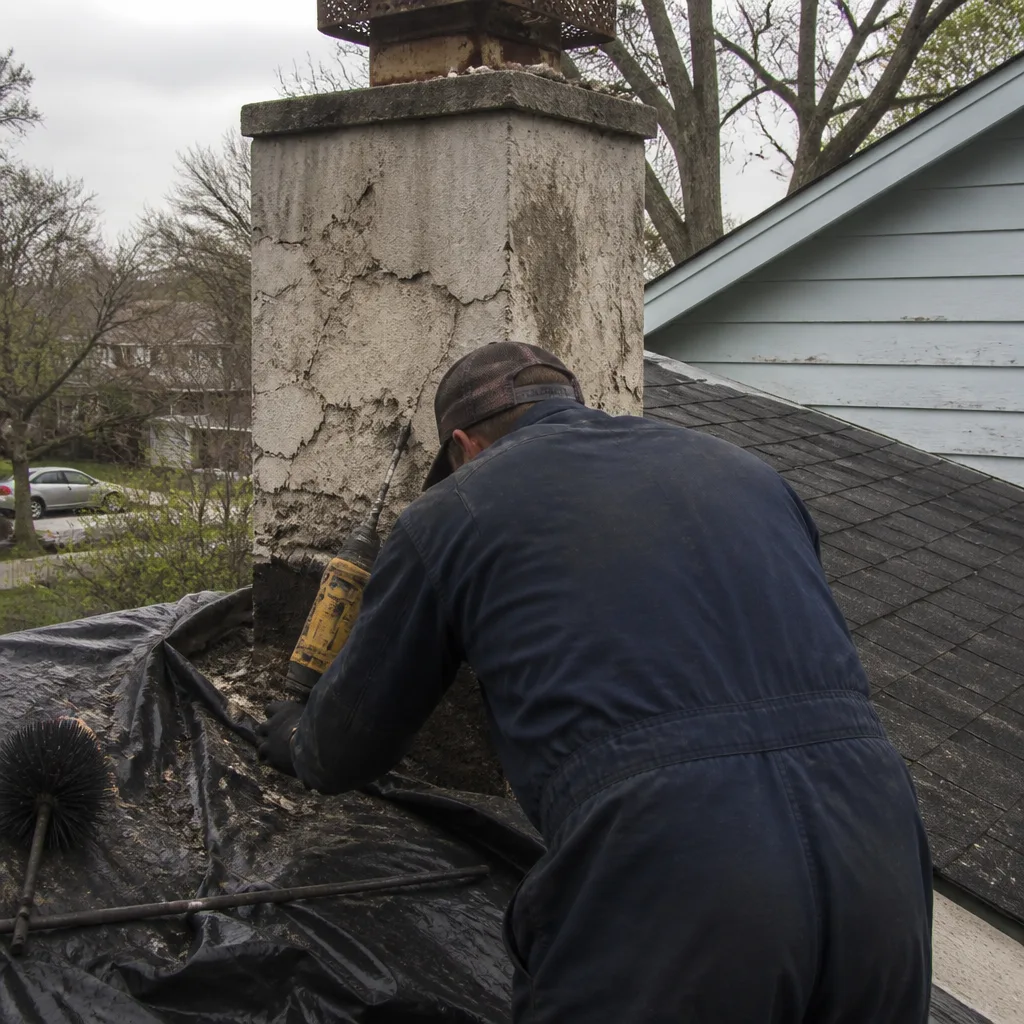 Before
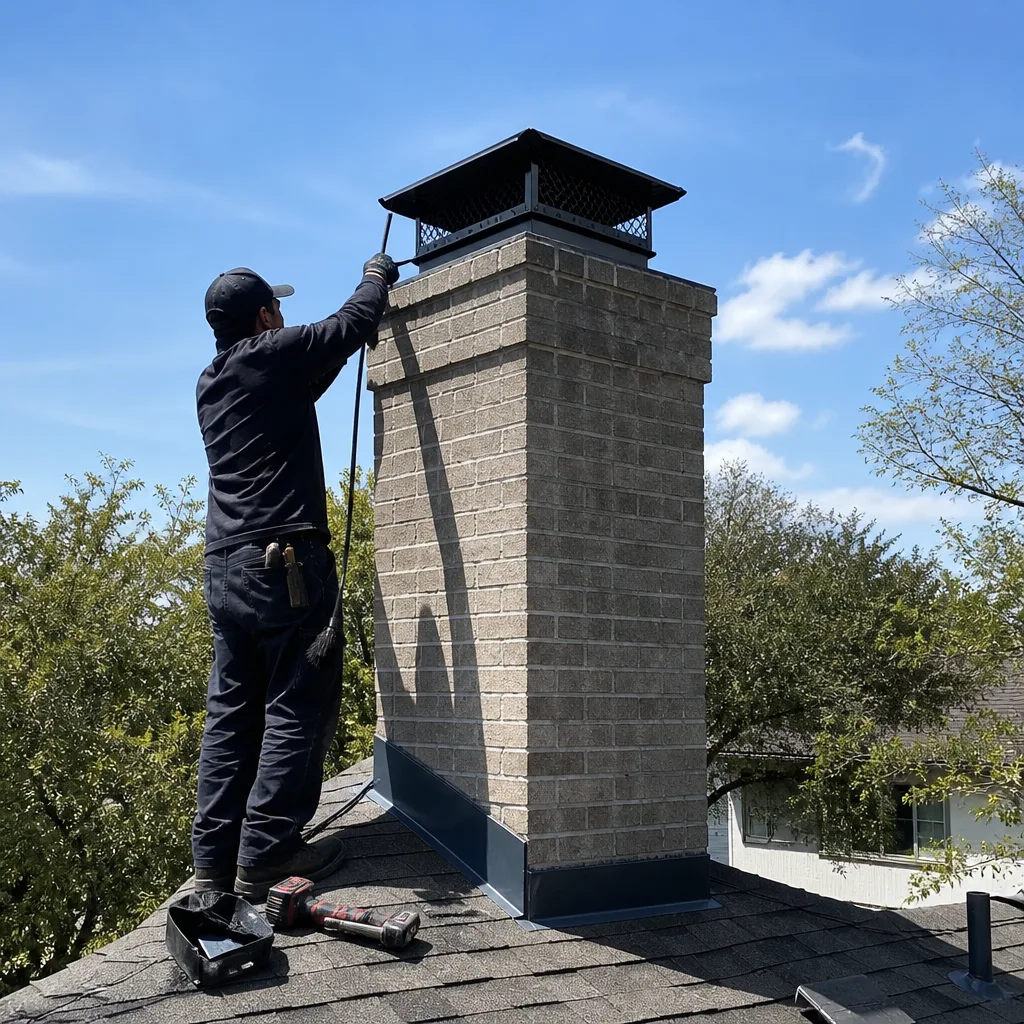 After
After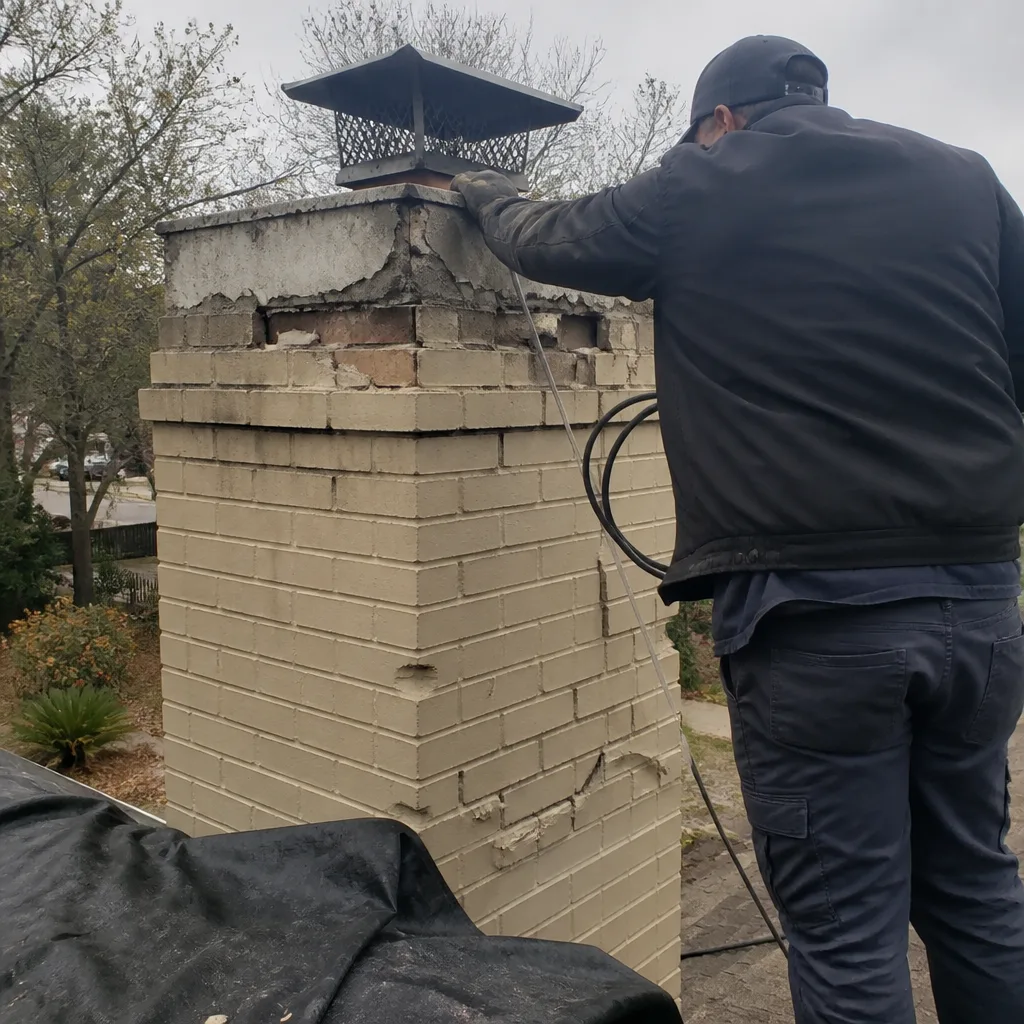 Before
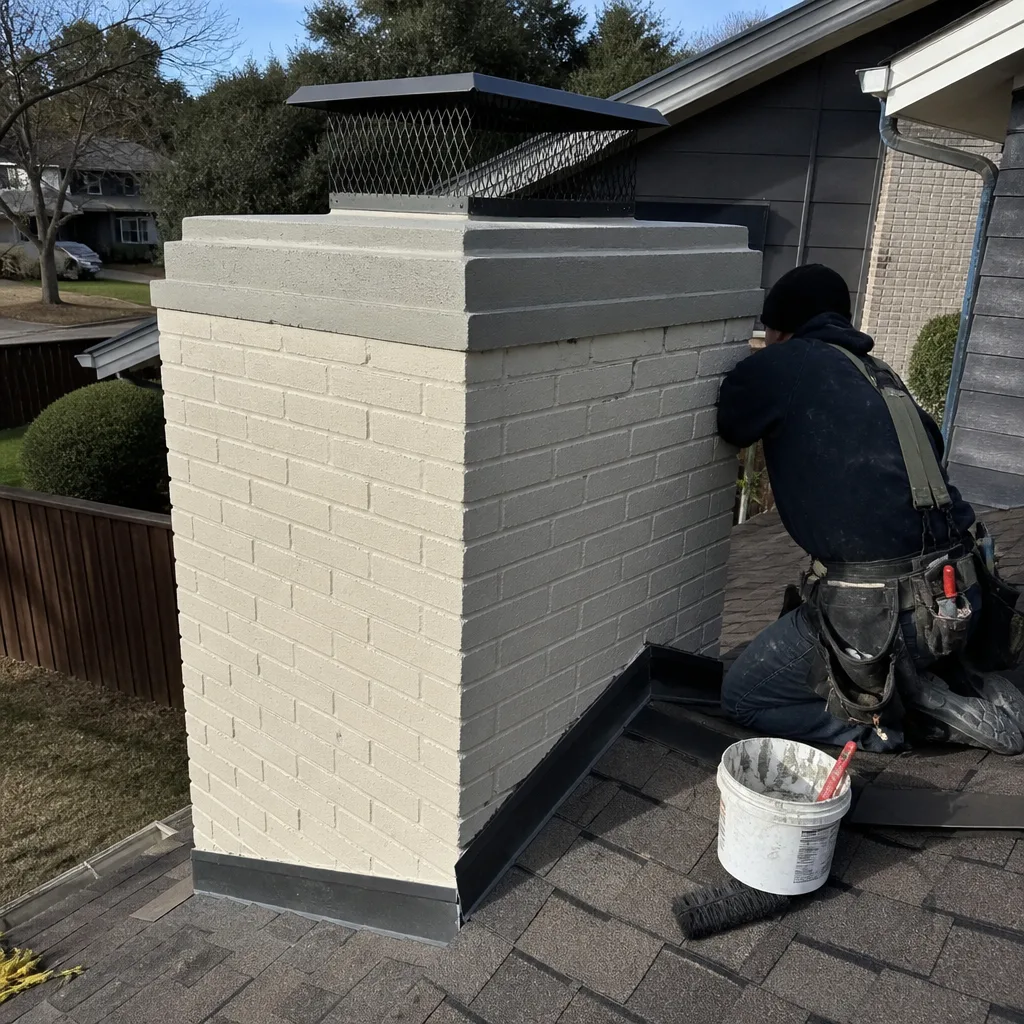 After
After